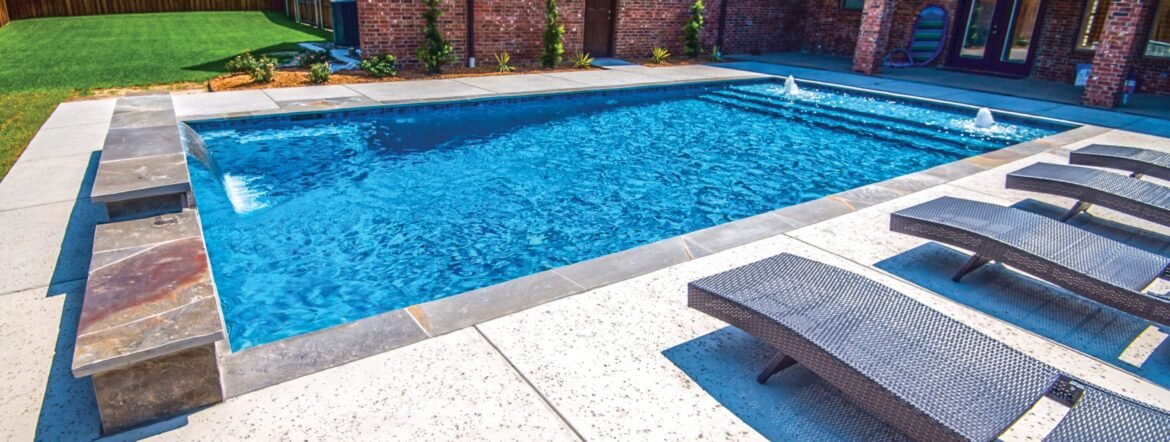
Swimming pool lighting can transform an outdoor area after sunset, making it more inviting while improving visibility around the water. From subtle underwater illumination to lights that highlight landscaping and walkways, a carefully planned setup can complement the pool’s design and make the surrounding space more practical to use in the evening.
Choosing suitable Swimming Pool Solutions can help homeowners coordinate lighting with the pool layout, electrical requirements, and overall outdoor environment. The right approach considers more than appearance: fixture placement, energy consumption, maintenance access, and safety all influence how well a lighting system performs over time.
Why Swimming Pool Lighting Matters
Lighting serves several purposes in residential and commercial pool areas. It can make pool edges, steps, and entry points easier to see, create a more comfortable atmosphere for evening gatherings, and emphasize architectural features that may be less noticeable during daylight.
A well-designed lighting plan also helps connect the pool with the rest of the outdoor space. Coordinated illumination across the deck, garden, seating areas, and pathways can make the entire setting feel more cohesive.
However, lighting should support safe use rather than encourage swimming when conditions are unsuitable. Adequate supervision, secure barriers, and appropriate pool safety practices remain essential after dark.
Popular Types of Swimming Pool Lighting
Different lighting types perform different functions. Combining a few carefully selected options often produces a better result than installing bright fixtures throughout the entire area.
Underwater Pool Lights
Underwater lights illuminate the pool from within, helping define its shape and making the water more visible at night. They are available in different designs, brightness levels, and color options to suit traditional and contemporary pools.
LED fixtures are a popular choice because they generally consume less electricity and produce less heat than many older lighting technologies. They are also available in white and color-changing versions, depending on the model.
When selecting underwater lights, confirm that the fixtures are specifically rated for the intended underwater installation. Their placement should provide useful illumination without creating excessive glare or distracting reflections.
Poolside and Deck Lighting
Lights around the pool deck improve visibility along walking routes and near seating areas. Recessed fixtures, low-level lights, and appropriately shielded wall lights can provide illumination without overwhelming the outdoor setting.
Placement matters as much as brightness. Fixtures should illuminate changes in level, steps, and access points while minimizing glare for people looking across the water.
Choose products designed for the environmental conditions in which they will operate, including exposure to moisture, cleaning activities, and weather.
Landscape and Accent Lighting
Landscape lighting draws attention to trees, planting beds, textured walls, water features, and other elements around the pool. It can create visual depth and help the pool feel integrated with the garden.
Rather than illuminating every feature equally, consider highlighting a few focal points. This creates contrast and helps maintain a balanced appearance.
Avoid aiming bright lights directly toward neighboring properties or across the pool into swimmers’ eyes. Shielded fixtures and carefully directed beams can create a more comfortable environment.
Pathway and Step Lighting
Pathway lights help people navigate between the pool, house, changing facilities, and outdoor seating areas. Step lights are especially useful where the design includes raised platforms, stairs, or changes in elevation.
Low-level illumination can often provide sufficient visibility without producing harsh light. The spacing and position of fixtures should reflect the layout of the walkway and the surfaces being illuminated.
Choosing the Right Lighting Technology
The technology used in a pool lighting system affects energy consumption, maintenance, appearance, and long-term operating costs.
Benefits of LED Lighting
LED pool lights are widely used because they offer several practical advantages. They are generally energy-efficient, have a long rated service life, and are available in compact designs that suit different pool styles.
Some systems also support dimming or color selection. These features can be useful when the pool area serves several purposes, such as quiet relaxation, family gatherings, or outdoor entertaining.
Actual performance depends on fixture quality, operating conditions, installation, and control settings. Compare specifications and warranty terms rather than assuming every LED product will provide the same results.
White Light or Color-Changing Fixtures?
White lighting can provide a clean, understated appearance that works well with many architectural styles. It is often suitable for homeowners who prioritize practical illumination and a consistent look.
Color-changing lights offer additional flexibility. Different colors can create distinct moods, although using too many colors simultaneously may make the area feel visually cluttered.
A useful approach is to choose lighting that complements the pool finish, nearby materials, and landscaping. The aim is to enhance the setting without making the lighting itself the main distraction.
Planning the Placement of Pool Lights
Lighting placement should be considered during the design stage, especially when underwater fixtures, concealed wiring, or integrated architectural lighting are involved. Planning early can reduce the need for disruptive modifications later.
Start by identifying the areas that need illumination. These may include the water, pool entrance, steps, deck edges, pathways, and nearby seating zones.
Next, consider how light will interact with the pool’s shape and finish. Darker interior surfaces may absorb more light, while pale finishes can produce brighter reflections. Trees, walls, and surrounding structures can also affect the final appearance.
Avoid placing fixtures where their direct output creates glare for swimmers or people sitting nearby. A lighting professional can help assess fixture positions, brightness, beam direction, and control requirements for the specific site.
Electrical Safety Around Swimming Pools
Electrical safety is one of the most important considerations when installing pool lighting. Water, wet surfaces, and electrical equipment create conditions that require specialized design and installation practices.
Underwater fixtures, transformers, cables, junctions, and controls must be suitable for their intended locations. Electrical protection, grounding or bonding arrangements, and required clearances should comply with the applicable local electrical and pool safety codes.
Homeowners should never improvise underwater electrical installations or assume that an ordinary outdoor light is suitable for use near a swimming pool. Installation and repairs should be performed by qualified professionals with relevant experience in pool environments.
Before work begins, confirm which inspections or approvals are required. Any damaged fixture, exposed wiring, repeated tripping of protective devices, or suspected electrical fault should be treated seriously. Keep people out of the affected area until the system has been assessed and made safe.
Improving Energy Efficiency and Reducing Maintenance
A good lighting plan can deliver attractive results without unnecessary energy use. Efficient fixtures, appropriate brightness, and practical operating schedules help control ongoing costs.
Consider installing controls that allow different lighting zones to operate independently. For example, pathway lights may be needed whenever the outdoor area is in use, while decorative landscape lighting can be switched off when it is not required.
Timers or compatible automated controls can also help prevent lights from remaining on longer than necessary. Where dimming is supported, reducing brightness for quieter settings may offer further savings.
Maintenance should follow the manufacturer’s guidance. Inspect accessible fixtures for visible damage, check outdoor fittings for signs of deterioration, and keep nearby vegetation from obstructing intended light coverage.
Underwater lighting repairs may require draining or partially lowering the pool, depending on the fixture design and local procedures. A qualified technician should determine the appropriate method and confirm that all seals and electrical components are safe before the light returns to service.
Matching Pool Lighting to Different Outdoor Styles
Lighting can complement a wide range of architectural and landscaping approaches. The best design depends on how the outdoor area is arranged and the atmosphere the homeowner wants to create.
Modern and Minimalist Pools
Modern spaces often benefit from simple lighting layouts, consistent color temperatures, and discreet fixtures. Recessed deck lights and clean underwater illumination can emphasize straight lines without adding unnecessary visual detail.
Keeping the number of fixture types limited can help create a more unified appearance.
Natural and Garden-Inspired Pools
Pools surrounded by planting, stone, or timber may suit softer landscape lighting. Carefully positioned lights can highlight foliage, textured surfaces, and pathways while allowing darker areas to remain part of the overall composition.
Fixtures should be selected for outdoor durability and positioned to avoid damaging plants or directing unwanted light into neighboring spaces.
Entertainment-Focused Outdoor Areas
Where the pool forms part of an outdoor entertaining space, separate lighting zones can make the environment more adaptable. Brighter task lighting may be useful near access points, while softer illumination can suit seating and relaxation areas.
Controls should be straightforward to operate so users can adjust the setting without changing the entire lighting system.
Common Pool Lighting Mistakes to Avoid
Even high-quality fixtures may disappoint if the lighting plan is poorly coordinated. Several common mistakes can affect comfort, safety, and appearance.
- Using excessive brightness: Very bright lights can cause glare and make the water less comfortable to view.
- Ignoring walkways and steps: Decorative underwater lights do not automatically provide adequate illumination for the surrounding deck.
- Choosing unsuitable fixtures: Products must be rated for their actual exposure to water, moisture, and weather.
- Overcomplicating the design: Too many colors or competing light sources can make the space feel visually busy.
- Leaving installation until late: Retrofitting wiring and fixtures may require additional construction work.
- Neglecting maintenance access: Lighting should be installed in a way that allows safe inspection and servicing.
Addressing these details during planning helps avoid unnecessary expenses and improves the finished result.
Budgeting for a Pool Lighting Project
The cost of pool lighting depends on the number and type of fixtures, installation complexity, electrical requirements, control systems, and accessibility of the installation area.
Underwater lights may involve more specialized work than simple landscape fixtures, particularly when existing pools require modifications. Automated controls, premium materials, and color-changing systems can also affect the overall budget.
When comparing quotations, review the full scope of work. Check whether the price includes fixtures, wiring, controls, installation, testing, required approvals, and any necessary finishing work.
Long-term costs deserve attention as well. Energy consumption, replacement parts, warranty coverage, and access for servicing can influence the overall value of the system.
Conclusion
Swimming pool lighting can improve the appearance, usability, and nighttime visibility of outdoor spaces when it is planned carefully. Underwater fixtures, deck lights, pathway illumination, and landscape accents each contribute different benefits, making it important to coordinate them around the pool’s design and intended use.
By selecting suitable fixtures, controlling glare, prioritizing electrical safety, and considering energy efficiency from the beginning, homeowners can create an attractive and practical environment for evening enjoyment. Professional planning and installation help ensure that the finished lighting system complements the pool while remaining reliable and manageable over time.