In today’s digital era, the way people learn about health and wellness has changed dramatically. Instead of relying only on traditional sources, many individuals now turn to health wellness influencers and wellness journalists for reliable, practical, and easy-to-understand information. These modern voices are playing a crucial role in shaping public awareness, encouraging healthier lifestyles, and making wellness knowledge accessible to everyone.
Health wellness influencers are individuals who use social media platforms to share tips, personal experiences, and expert-backed advice related to physical fitness, mental health, nutrition, and self-care. Their biggest strength lies in their relatability. Unlike traditional health experts who may communicate in technical language, influencers often present information in simple, engaging formats such as short videos, daily routines, live sessions, and interactive posts. This approach helps audiences understand and apply wellness practices in their everyday lives.
On the other hand, wellness journalists contribute by ensuring credibility and depth in health communication. They research, verify facts, interview experts, and present accurate information through articles, blogs, reports, and media publications. Their work is essential in combating misinformation, which is quite common in the online health space. By providing evidence-based insights, wellness journalists help people make informed decisions about their health.
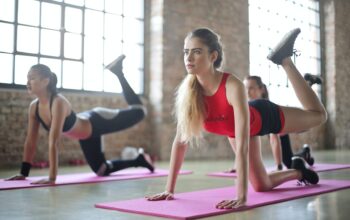
One of the biggest advantages of health wellness influencers is their ability to inspire behavioral change. When followers see real-life transformations, fitness journeys, or mental health improvements, they feel motivated to take action themselves. Influencers often share realistic tips such as simple home workouts, mindful eating habits, stress-relief techniques, and self-care routines. These small, actionable steps make wellness feel achievable rather than overwhelming.
Wellness journalists complement this influence by offering structured, in-depth knowledge. They cover topics such as emerging health trends, preventive care, mental health awareness, lifestyle diseases, and holistic wellness practices. Their role is especially important in presenting balanced perspectives, discussing both benefits and risks, and providing scientific context behind wellness trends. This ensures that audiences receive trustworthy information rather than following temporary or unsafe fads.
Together, health wellness influencers and wellness journalists create a powerful impact. Influencers capture attention and build engagement, while journalists add authenticity and reliability. This combination helps build trust among audiences and encourages long-term lifestyle improvements. Their collaborative influence also promotes awareness about mental health, work-life balance, preventive healthcare, and sustainable living practices.
Moreover, both groups contribute to creating supportive wellness communities. Through social media discussions, workshops, webinars, and public campaigns, they encourage people to share experiences, learn from each other, and stay consistent with healthy habits. This sense of community reduces isolation and strengthens motivation for maintaining wellness routines.
In conclusion, health wellness influencers and wellness journalists are transforming how people perceive and approach health today. By blending relatability with credibility, they are making wellness education more accessible, reliable, and actionable. Their growing role is not only spreading awareness but also empowering individuals to take control of their physical, mental, and holistic well-being in a sustainable way.