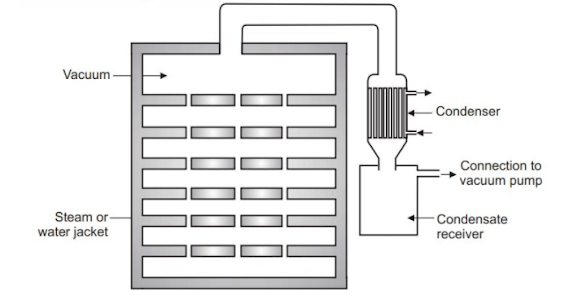
Vacuum drying technology continues to evolve as industries demand more efficient, precise, and sustainable manufacturing solutions. Advances in automation, energy management, materials, and process control are helping manufacturers improve drying performance while maintaining product quality. These developments are especially important in industries such as pharmaceuticals, chemicals, food processing, and advanced materials.
Modern Vacuum Drying Equipment is becoming more intelligent and adaptable, allowing businesses to achieve better process control and operational efficiency. Understanding the latest innovations helps manufacturers select technologies that support current production needs and future industry requirements.
Advanced Automation and Smart Controls
Automation is one of the most significant trends shaping vacuum drying technology. Modern systems increasingly use digital controls and intelligent monitoring features to improve accuracy and reduce manual operation.
Advanced control systems can provide:
- Automated temperature regulation
- Precise vacuum management
- Real-time process monitoring
- Data recording and analysis
- Automated drying cycles
These features help manufacturers maintain consistent results while reducing process variations.
Integration with Smart Manufacturing
The growth of Industry 4.0 has influenced the development of smarter industrial equipment. Vacuum drying systems are increasingly being integrated into connected manufacturing environments.
Smart features may include:
- Remote equipment monitoring
- Digital performance tracking
- Predictive maintenance alerts
- Production data integration
- Automated reporting systems
These capabilities allow manufacturers to identify potential issues earlier and improve overall production management.
Improved Energy Efficiency
Energy efficiency has become a major focus for equipment manufacturers. New vacuum drying technologies aim to reduce energy consumption while maintaining effective moisture removal.
Innovations supporting energy savings include:
- Improved insulation designs
- More efficient heating systems
- Optimized vacuum technology
- Better heat recovery methods
These improvements help businesses reduce operating costs and support sustainability goals.
Enhanced Process Control
Precise control over drying conditions is essential for industries handling sensitive materials. Recent innovations focus on improving control over temperature, pressure, and drying time.
Enhanced process technologies allow manufacturers to:
- Adjust drying parameters more accurately
- Improve batch consistency
- Reduce product variations
- Optimize production cycles
Better process control contributes to higher-quality outcomes and improved efficiency.
Development of Advanced Materials
Material innovation has improved the durability and performance of vacuum drying systems. Manufacturers are using advanced materials that provide better resistance to corrosion, temperature changes, and demanding operating conditions.
Benefits of improved materials include:
- Longer equipment lifespan
- Reduced maintenance requirements
- Better hygiene performance
- Greater operational reliability
These advancements support the use of vacuum drying equipment in more challenging applications.
Customized Equipment Solutions
As manufacturing processes become more specialized, demand for customized drying solutions continues to increase. Equipment manufacturers are developing flexible designs that can be adapted to different production requirements.
Customization options may include:
- Specific chamber configurations
- Specialized heating methods
- Automated features
- Industry-specific designs
- Integration with existing systems
Customized solutions allow businesses to improve efficiency without changing their entire production setup.
Improved Safety Features
Safety remains a key consideration in industrial drying applications. New vacuum drying systems are incorporating advanced safety mechanisms to protect operators and equipment.
Modern safety improvements may include:
- Automated shutdown functions
- Pressure monitoring systems
- Improved sealing technology
- Enhanced control alarms
These features help create safer working environments while maintaining reliable operation.
Focus on Sustainable Manufacturing
Environmental responsibility is influencing the development of new vacuum drying technologies. Manufacturers are focusing on solutions that reduce resource consumption and improve overall efficiency.
Sustainable innovations include:
- Lower energy usage
- Reduced waste generation
- Efficient material processing
- Longer equipment service life
These improvements help businesses meet sustainability objectives while maintaining productivity.
Conclusion
Emerging innovations in vacuum drying equipment technology are transforming industrial drying processes through automation, smart controls, energy efficiency, advanced materials, and customized solutions. These advancements help manufacturers improve product quality, reduce operating costs, and achieve more reliable production performance. As industries continue to demand smarter and more sustainable solutions, vacuum drying technology will remain an important part of modern manufacturing.