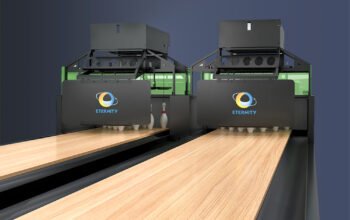
Ordering synthetic bowling lanes is an important decision for a new bowling center, renovation project, or facility upgrade. The selected system needs to fit the available space, work with the planned bowling equipment, and meet the facility’s installation and maintenance requirements.
Before placing an order, it is useful to discuss the project in detail with a Synthetic Bowling Lane Manufacturer. Asking specific questions can clarify what is included in the system, what the installation requires, and what support will be available after delivery.
Questions About Lane Construction
Start by understanding how the proposed lane system is constructed.
Ask which materials are used for the playing surface and supporting layers, how the components are assembled, and which parts are manufactured as individual sections.
This information provides a clearer picture of what the finished system includes.
What Materials Are Used?
Material selection can influence the maintenance and operating requirements of a synthetic lane.
Ask the manufacturer to identify the primary materials used in the surface, backing, edges, gutters, and other major components.
It is also useful to understand the properties each material is intended to provide.
What Are the Lane Dimensions?
Confirm the exact dimensions of the proposed system before ordering.
This should include the lane, approach, pin deck, gutters, and other relevant sections. Accurate dimensions help ensure that the system fits the building and planned equipment layout.
What Manufacturing Tolerances Apply?
Ask how dimensional tolerances are controlled during production.
Consistent dimensions are important when several lanes are installed together. The manufacturer should be able to explain the specifications and inspection procedures used to maintain production consistency.
How Are Lane Sections Joined?
If the lane is supplied in multiple sections, ask how those sections are connected.
The manufacturer should explain the recommended joining method and any materials or tools required during installation.
What Subfloor Is Required?
The supporting surface can have a significant effect on installation.
Ask about requirements for levelness, flatness, stability, moisture, and structural condition. These specifications should be shared with the construction team before the installation area is prepared.
Does the Manufacturer Review Site Conditions?
Find out whether the manufacturer requires site measurements, architectural drawings, photographs, or an on-site assessment before production.
Early review can help identify structural or dimensional issues before materials are manufactured.
Which Pinsetters Are Compatible?
Equipment compatibility should be confirmed before ordering.
Ask whether the proposed lane system is suitable for the pinsetter being selected for the project. Different pinsetting technologies may have different requirements around the pin deck and equipment interface.
Is the System Compatible With String Pinsetters?
If string pinsetting equipment is planned, discuss its requirements specifically.
The manufacturer and equipment supplier should coordinate dimensions, mounting arrangements, clearances, and other relevant interfaces before installation begins.
What Ball Return Systems Can Be Used?
Ball return equipment also needs to fit within the planned lane arrangement.
Ask which configurations are compatible and whether the manufacturer needs ball return dimensions before preparing the lane layout.
Are Lane Markings Included?
Confirm whether standard lane markings are included in the order.
If customized markings are required, ask about available options, placement specifications, production requirements, and any additional costs.
What Is Included in the Order?
Do not assume that every visible part of a completed bowling lane is included in the quoted price.
Ask for a detailed list covering:
- Lane components
- Approaches
- Gutters
- Hardware
- Adhesives
- Markings
- Installation materials
- Documentation
- Replacement parts
- Installation services
A clear scope makes it easier to compare quotations.
Is Installation Included?
Find out whether the manufacturer provides installation or works with authorized installers.
If installation is handled by a separate contractor, confirm what technical guidance and support the manufacturer provides to that team.
What Installation Conditions Are Required?
Ask about temperature, humidity, moisture, storage, substrate preparation, and other site conditions.
Understanding these requirements before delivery can prevent delays when the materials arrive.
How Long Does Installation Take?
Project scheduling depends partly on site readiness and the size of the installation.
Ask for an estimated installation timeframe and identify which tasks must be completed before the manufacturer’s installation team can begin.
What Are the Delivery Requirements?
Large lane components require appropriate transportation and handling.
Ask about packaging, delivery access, unloading procedures, storage requirements, and any special handling instructions.
How Should Materials Be Stored?
If materials will be stored before installation, obtain written storage instructions.
The manufacturer may specify environmental conditions, positioning, protection, and handling procedures designed to prevent damage before installation.
What Maintenance Is Required?
Maintenance requirements should be understood before purchase rather than after installation.
Ask how frequently the lane should be cleaned, which products can be used, what equipment is recommended, and which cleaning methods should be avoided.
Which Cleaning Products Are Approved?
Synthetic surfaces are not necessarily identical.
Ask the manufacturer to identify approved cleaning products and procedures. Using unsuitable chemicals or abrasive equipment may affect the surface.
How Should Damage Be Repaired?
Find out how common types of damage should be handled.
Ask whether localized repairs are possible, which components can be replaced, and whether repairs must be performed by trained technicians.
Are Replacement Components Available?
Long-term parts availability can be important for commercial bowling centers.
Ask whether replacement lane sections, edges, gutters, hardware, markings, or other components can be ordered separately when needed.
What Technical Documentation Is Provided?
Good documentation can make installation and future maintenance easier.
Ask whether the order includes:
- Installation drawings
- Product specifications
- Maintenance instructions
- Cleaning recommendations
- Repair procedures
- Replacement information
- Equipment compatibility details
Keep these documents with the facility’s maintenance records.
What Quality-Control Checks Are Performed?
Ask how finished lane components are inspected before shipment.
The manufacturer may use dimensional measurements, surface inspections, material checks, and other quality-control procedures.
Understanding these processes provides useful information about production consistency.
What Testing Is Available?
If specific performance requirements apply to the project, ask what testing or verification documentation is available.
The manufacturer should clarify which characteristics are tested and how results are documented.
What Environmental Conditions Are Recommended?
Temperature and humidity can be relevant during storage, installation, and operation.
Ask for the manufacturer’s recommended environmental conditions and determine whether the bowling center can maintain them.
What Warranty Is Provided?
Warranty terms should be reviewed carefully before ordering.
Ask what components are covered, how long coverage lasts, which conditions apply, and what exclusions may affect a claim.
Keep a copy of the final warranty documentation.
What Technical Support Is Available?
Find out how support is provided after installation.
Questions may include whether assistance is available remotely, whether technicians can visit the facility, and how maintenance or equipment-integration questions are handled.
Who Handles Troubleshooting?
It is useful to establish the appropriate contact for technical problems before the bowling center opens.
Ask whether troubleshooting is handled directly by the manufacturer, an authorized service provider, or another designated support team.
Can the Manufacturer Support Future Expansion?
A bowling center may eventually add lanes or renovate additional areas.
If expansion is a possibility, ask whether additional components can be produced to match the original installation and whether future layouts can be coordinated with the existing system.
What Information Is Needed Before Production?
Manufacturers may require detailed information before beginning production.
This can include architectural drawings, lane quantities, site dimensions, equipment specifications, installation dates, and other project details.
Providing accurate information early can help reduce ordering errors.
How Are Custom Requirements Handled?
Some projects have unusual layouts or design requirements.
Ask whether customized dimensions, markings, component configurations, or other modifications are possible and whether they affect production schedules or installation procedures.
How Is Final Installation Verified?
Ask what inspections take place after installation.
The final review may cover alignment, dimensions, joints, surface condition, equipment interfaces, and other project requirements.
Understanding the acceptance process can help define expectations before work begins.
Questions About Project Scheduling
A realistic schedule should account for manufacturing, delivery, site preparation, installation, equipment integration, and final testing.
Ask the manufacturer how these stages interact and which project milestones could affect delivery or installation dates.
Questions About Total Costs
The purchase price does not necessarily represent the entire project cost.
Ask about additional expenses such as delivery, installation, substrate preparation, specialized materials, equipment integration, customization, and future replacement components.
A complete cost review can make project budgeting more accurate.
Creating a Pre-Order Checklist
Before signing an order, confirm that the following points have been addressed:
- Lane dimensions
- Construction materials
- Site requirements
- Equipment compatibility
- Installation responsibilities
- Delivery arrangements
- Maintenance procedures
- Replacement components
- Warranty terms
- Technical support
- Project schedule
- Total costs
A written checklist can help ensure that important details are not overlooked.
Conclusion
Choosing a synthetic bowling lane system involves more than comparing product prices or surface appearances. Buyers should understand construction, dimensions, installation requirements, equipment compatibility, maintenance procedures, replacement options, warranty coverage, and technical support before placing an order.
Asking detailed questions early gives project owners a clearer understanding of what they are purchasing and what will be required after delivery. A well-documented agreement between the buyer, manufacturer, installer, and equipment suppliers can also help keep a bowling lane project organized from planning through installation and ongoing operation.