Specialized packaging is often required when conventional containers cannot provide the handling, dosing, or dissolution characteristics needed for a particular product. Industries working with concentrated chemicals, cleaning formulations, agricultural products, and other materials may use packaging systems designed around specific application requirements.
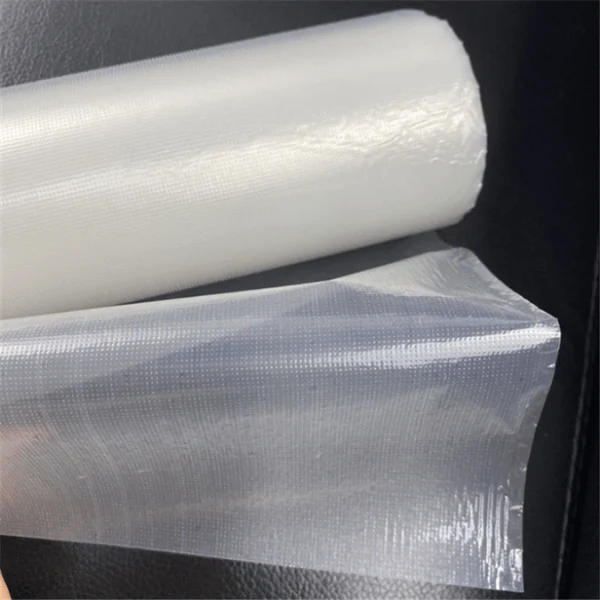
Water Soluble Film can be formed into pouches, sachets, and other formats that dissolve when exposed to suitable water conditions. POLYVA is one company involved in PVA film solutions, supporting packaging applications where controlled dissolution and portioning are important.
Why Specialized Packaging Is Important
Specialized packaging does more than contain a product. It can influence how a formulation is stored, transported, measured, and eventually introduced into its intended environment.
For products that require controlled quantities or reduced direct handling, dissolvable packaging can provide an alternative to conventional bottles, bags, or bulk containers.
Household Cleaning Industry
The household cleaning sector is one of the most recognizable users of dissolvable packaging. Products such as laundry detergents and automatic dishwashing formulations can be prepared as individual doses.
Laundry Detergent Pods
Laundry detergent pods contain a predetermined quantity of detergent inside a soluble film pouch. The package is placed directly into the washing machine, where the film dissolves and releases the formulation.
This format can simplify dosing while reducing the need for consumers to measure liquid or powdered detergent.
Automatic Dishwashing Products
Dishwashing detergents can also be packaged into individual soluble portions. The film formulation and package construction can be selected according to the temperature, water movement, and dissolution requirements of the dishwasher cycle.
Agricultural Chemical Industry
Agricultural chemicals often require careful measurement because formulations may be concentrated. Soluble packaging can provide individually portioned quantities for products that need to be diluted in water before application.
Farm operators can add the packaged portion to a mixing tank without opening the inner pouch and manually measuring the contents.
Benefits of Portion Control
Portion-controlled agricultural packaging can help standardize preparation and reduce unnecessary handling. It may also simplify inventory management when products are supplied as individually packaged doses.
The film must nevertheless be evaluated for compatibility with the specific formulation because active ingredients and additives can interact differently with soluble materials.
Industrial Chemical Packaging
Industrial chemical manufacturers may use specialized soluble packaging for products intended to be diluted or dispersed in water.
The approach can be useful when a process requires predetermined amounts of a chemical rather than bulk dispensing.
Chemical Compatibility
Chemical compatibility is an essential consideration. A film needs to remain stable throughout manufacturing, packaging, storage, and transportation while still dissolving under the intended application conditions.
Compatibility testing can help determine whether the selected film is appropriate for a particular chemical formulation.
Water Treatment Applications
Water treatment processes can involve chemicals that need to be added in controlled quantities. Soluble packaging can provide individual portions that are introduced into water during treatment or preparation.
The appropriate film depends on the chemical composition, required dissolution speed, water temperature, and mixing conditions.
Construction and Cement Products
Certain construction materials and additives can benefit from specialized portion packaging. Dry powders or chemical additives can be enclosed in soluble pouches and introduced into a mixing process.
This approach can reduce the need for workers to measure small quantities manually and can support more consistent preparation.
Textile and Embroidery Industry
Water soluble films have applications in textile production and embroidery. In these settings, the film may serve as a temporary support or backing material rather than simply functioning as a container.
Once the textile process is complete, the soluble material can be removed with water under appropriate conditions.
Embroidery Support
Certain embroidery techniques use soluble film to stabilize fabric during stitching. After processing, the film can be dissolved or washed away, leaving the finished textile without a permanent backing layer.
Medical and Healthcare-Related Packaging
Specialized soluble packaging can also be considered for selected healthcare-related applications where controlled portions and reduced handling are important.
However, materials intended for medical or healthcare environments require appropriate testing, regulatory review, and application-specific validation. General-purpose soluble film should not automatically be assumed to meet medical packaging requirements.
Hospitality and Commercial Cleaning
Hotels, restaurants, offices, and other commercial facilities use cleaning products regularly. Single-dose soluble packaging can help simplify preparation by providing predetermined quantities for individual cleaning tasks.
This can be particularly useful where employees need to prepare cleaning solutions repeatedly throughout the day.
Specialty Powder Packaging
Some powdered products are difficult to dispense consistently because they are dusty, concentrated, or require precise quantities.
A soluble pouch can contain a measured portion that is added directly to water. This can reduce the number of manual handling steps involved in preparing the product.
Factors That Determine Film Selection
Different industries have different packaging requirements. Film selection may depend on:
- Product formulation
- Water temperature
- Dissolution speed
- Film thickness
- Mechanical strength
- Chemical compatibility
- Storage conditions
- Package dimensions
- Filling and sealing equipment
- Required shelf life
These factors should be evaluated together rather than selecting a film based on dissolution performance alone.
The Role of Packaging Equipment
Specialized soluble packaging often requires equipment capable of accurately forming, filling, and sealing pouches.
Production conditions can influence the final package quality. Consistent film feeding, accurate filling, reliable sealing, and appropriate environmental controls can all contribute to stable manufacturing performance.
Storage Requirements
Because soluble films interact with moisture, storage conditions are important across many applications. Finished packages and unused film may require protection from excessive humidity and direct water exposure.
Manufacturers should follow the storage recommendations associated with the particular film formulation and finished product.
Testing Specialized Packaging
Before a soluble packaging system is introduced into production, testing can help verify its suitability for the intended application.
Common evaluations may include:
- Dissolution testing
- Film strength testing
- Seal integrity testing
- Product-film compatibility testing
- Storage stability testing
- Leakage testing
- Packaging machine trials
Testing under realistic operating conditions can provide a better understanding of how the finished package will behave throughout its lifecycle.
Conclusion
A variety of industries use specialized packaging to address requirements that conventional containers may not always meet. Household cleaning, agriculture, industrial chemicals, water treatment, construction, textiles, and other sectors can use soluble film in different ways depending on their products and processes.
The most suitable packaging solution depends on the interaction between the film, formulation, package design, equipment, storage environment, and intended application. Careful material selection and application-specific testing can help ensure that specialized soluble packaging performs consistently from production through final use.