High-pressure water jetting is widely used to remove grease, sludge, mineral deposits, and other stubborn obstructions from drainage and sewer pipelines. The effectiveness of this cleaning method depends not only on the jetting machine and nozzle but also on the quality of the hose that delivers pressurized water into the pipe. Choosing a durable hose helps maintain consistent water flow, supports reliable equipment operation, and reduces the risk of unexpected downtime.
For professional plumbing contractors and maintenance teams, selecting the right hose requires careful consideration of pressure ratings, material construction, flexibility, diameter, and working conditions.
Understanding the Role of a Drain Cleaning Hose
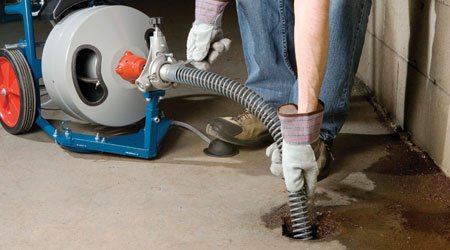
A drain cleaning hose connects a high-pressure jetting machine to the cleaning nozzle. It carries pressurized water through the pipeline, allowing the nozzle to direct water jets toward accumulated debris and deposits. Depending on the nozzle design, the water may break down obstructions, flush loose material, and help move debris through the drainage system.
The hose must withstand repeated pressure cycles, movement through pipes, and contact with water, dirt, and abrasive surfaces. When selecting a suitable Drain Cleaning Hose for professional jetting applications, it is important to match the hose specifications with the machine’s operating pressure, flow rate, and intended working environment. A hose that is poorly matched to the equipment can reduce performance and create avoidable safety risks.
1. Check the Maximum Working Pressure
Pressure rating is one of the most important factors when choosing a drain cleaning hose. High-pressure jetting machines operate at different pressure levels, so the hose must be rated for the equipment it will be connected to.
Before purchasing, review the manufacturer’s specifications for:
- Maximum working pressure.
- Burst pressure.
- Pressure compatibility with the jetting machine.
- Recommended operating temperature.
- Compatibility with the intended water supply.
The hose’s maximum working pressure should meet or exceed the machine’s specified operating requirements. Operators should never assume that a hose is suitable simply because it fits the machine’s connections.
Burst pressure is not a normal operating target. The hose should always be used within its stated working-pressure limits, with appropriate safety margins and manufacturer guidance.
2. Choose Durable Hose Materials
The materials used in a hose influence its strength, flexibility, abrasion resistance, and service life. Drain cleaning hoses are commonly manufactured using reinforced synthetic materials and specialized protective outer layers.
A suitable construction should withstand the demands of repeated use without becoming excessively stiff, damaged, or difficult to handle.
Important material characteristics include:
- Pressure reinforcement: Internal reinforcement helps the hose withstand high-pressure water delivery.
- Abrasion resistance: A durable outer cover protects against friction when the hose moves across rough surfaces or through pipelines.
- Water resistance: Materials should be designed for repeated exposure to water and damp working environments.
- Flexibility: The hose should bend sufficiently to navigate suitable pipeline layouts.
- Temperature tolerance: Construction should support the water temperatures permitted by the jetting system.
The exact material and reinforcement design should be selected according to the application and the manufacturer’s specifications.
3. Consider Hose Diameter and Length
Hose diameter and length affect water delivery and handling. Choosing the correct dimensions helps maintain suitable flow characteristics and allows technicians to reach the sections of the drainage network that require cleaning.
Hose Diameter
The internal diameter influences water flow and pressure losses. A hose that is too narrow for the machine’s flow requirements may restrict water delivery, while an unsuitable larger diameter may affect system performance and handling.
Always check the jetting machine manufacturer’s recommended hose dimensions and connection specifications.
Hose Length
A longer hose can provide access to more distant pipeline sections, but additional length may increase friction losses and make handling more difficult. A shorter hose may be easier to manage but might not provide enough reach for certain jobs.
Consider the typical pipe lengths, access points, and working distances when selecting hose length.
4. Evaluate Flexibility and Ease of Handling
Drain cleaning hoses must move through pipelines that may contain bends, joints, and changes in direction. Flexibility helps the hose navigate suitable sections while allowing technicians to control its movement.
However, flexibility should not come at the expense of structural strength. A hose that bends too easily or lacks suitable reinforcement may be more vulnerable to kinking, deformation, or damage.
Look for a design that offers:
- Smooth movement through compatible pipe layouts.
- Resistance to kinking during normal handling.
- Sufficient strength for repeated insertion and retrieval.
- Manageable weight for the intended hose length.
- Compatibility with the machine’s hose reel or storage system.
Technicians should avoid forcing a hose through sharp bends or restricted sections, as this may damage the hose or create unsafe operating conditions.
5. Inspect the Fittings and Connections
Hose fittings are essential for maintaining secure connections between the jetting machine, hose, and cleaning nozzle. Even a durable hose can perform poorly if its connectors are incompatible, damaged, or incorrectly installed.
Before selecting a hose, verify:
- Connection type and thread specifications.
- Compatibility with the machine outlet.
- Compatibility with the selected nozzle or accessories.
- Pressure rating of all fittings and adapters.
- Quality of seals and connection components.
- Availability of suitable replacement fittings.
All connected components must be rated for the intended operating pressure. Using incompatible adapters or poorly secured connections can lead to leaks, equipment damage, or serious injury.
6. Match the Hose to the Cleaning Application
Different drainage environments place different demands on jetting equipment. A hose used for routine residential drain cleaning may have different requirements from one used for commercial or industrial sewer maintenance.
Residential Drain Cleaning
Residential applications often involve smaller pipes, shorter access distances, and tighter bends. A hose with suitable flexibility and dimensions can help technicians reach common household drainage lines.
Commercial Drain Maintenance
Commercial buildings may have longer or more heavily used drainage networks. Contractors should consider hose durability, working length, and compatibility with the jetting equipment used for regular maintenance.
Industrial and Sewer Cleaning
Industrial and municipal applications can involve larger pipelines, heavier deposits, and demanding operating conditions. These jobs may require hoses with higher pressure ratings, specialized reinforcement, and greater abrasion resistance.
The correct specification should always be determined by the machine, pipeline, nozzle, and cleaning requirements rather than by application category alone.
7. Check Abrasion and Chemical Resistance
During drain cleaning, hoses may rub against concrete, pipe edges, fittings, and other rough surfaces. Repeated friction can gradually wear down the outer cover and expose internal reinforcement.
A hose with a suitable abrasion-resistant outer layer can better withstand these conditions. However, operators should still avoid dragging hoses unnecessarily across sharp or abrasive surfaces.
Chemical compatibility is another consideration. Drainage environments may contain cleaning residues, wastewater, oils, or other substances. The hose manufacturer should confirm whether the material is suitable for any chemicals it may encounter. High-pressure jetting hoses should not be assumed to be compatible with every chemical cleaning product.
8. Prioritize Safety Features and Operating Limits
High-pressure water can cause severe injuries if a hose, fitting, or nozzle fails during operation. Selecting a properly rated hose and following safe operating procedures are essential.
Important safety practices include:
- Never exceed the hose’s rated working pressure.
- Inspect the hose for cuts, bulges, leaks, and exposed reinforcement before use.
- Check all fittings and connections before starting the machine.
- Depressurize the system before disconnecting components.
- Keep people away from the nozzle and pressurized water stream.
- Do not attempt to repair a damaged high-pressure hose with improvised materials.
- Follow the equipment manufacturer’s operating and maintenance instructions.
A hose showing signs of structural damage should be removed from service and assessed or replaced according to manufacturer guidance.
9. Maintenance Practices That Extend Hose Life
Regular maintenance helps identify wear before it develops into a more serious problem. Even a high-quality hose requires proper handling, inspection, and storage.
A practical maintenance routine includes:
Before use
- Check the outer cover for cuts, abrasions, and bulges.
- Inspect connectors, seals, and fittings.
- Confirm that the hose is compatible with the operating pressure.
- Make sure the hose is free from kinks and visible damage.
After use
- Follow the manufacturer’s instructions for flushing and cleaning.
- Remove dirt and residue from the outer surface.
- Check for signs of wear that may have developed during operation.
- Store the hose properly without sharp bends or excessive tension.
During storage
- Keep the hose away from sharp objects and unnecessary heat.
- Protect it from prolonged exposure to damaging environmental conditions.
- Use a suitable reel or storage arrangement.
- Avoid placing heavy equipment on top of the hose.
Consistent care can help preserve hose performance and reduce avoidable replacement costs.
Common Mistakes to Avoid When Choosing a Drain Cleaning Hose
Selecting a hose based only on price or appearance can lead to compatibility and performance problems. Some common mistakes include:
- Choosing a hose with an insufficient pressure rating.
- Ignoring the machine manufacturer’s recommended diameter.
- Selecting an unsuitable length that creates handling difficulties.
- Overlooking fitting and connection compatibility.
- Prioritizing flexibility without considering reinforcement.
- Failing to check abrasion resistance.
- Using a damaged hose because it still appears functional.
- Assuming that every high-pressure hose is suitable for sewer jetting.
Checking specifications before purchasing helps prevent these problems and supports safer operation.
Conclusion
Choosing a durable drain cleaning hose involves more than finding a product that connects to a jetting machine. Pressure rating, material construction, diameter, length, flexibility, fittings, and abrasion resistance all influence performance and service life.
By matching the hose to the equipment and cleaning application, inspecting it regularly, and following proper safety procedures, plumbing professionals can support more reliable high-pressure jetting operations. A well-selected and properly maintained hose is an essential part of an effective drain cleaning system.