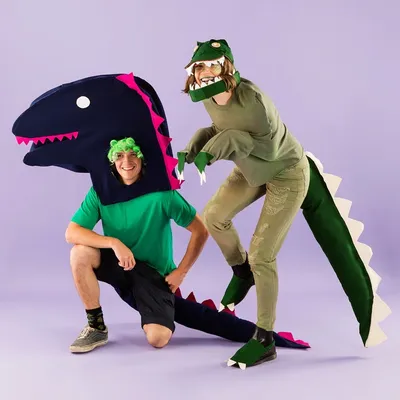
Dinosaur costumes are a popular choice for entertainment events, theme parks, museums, festivals, promotional activities, and private celebrations. They offer an exciting way to bring prehistoric creatures into modern environments, creating opportunities for interactive performances, memorable photographs, and engaging visitor experiences. However, not all dinosaur costumes are designed for the same purpose. Some prioritize humor and convenience, while others focus on realistic details, professional performance, and long-term durability.
When searching for a Dinosaur Costume For Sale, buyers should consider more than the costume’s appearance. Material quality, construction, size, movement, performer comfort, and maintenance requirements all influence whether a product is suitable for its intended use. Understanding these factors can help individuals and businesses select a costume that delivers both visual impact and practical value.
1. Determine What Type of Dinosaur Costume You Need
Before comparing products, identify how the costume will be used. A costume for a one-time celebration may have different requirements from one intended for daily performances at a commercial attraction.
Costumes for Parties and Private Events
For birthdays, Halloween celebrations, themed gatherings, and costume competitions, buyers often prioritize affordability, recognizable dinosaur features, and ease of wearing.
Inflatable costumes and lightweight fabric designs are common choices for these occasions. They can create an entertaining appearance without requiring complex performance features.
Costumes for Theme Parks and Attractions
Professional entertainment venues usually need more detailed and durable costumes. Performers may wear them repeatedly, so construction quality, movement flexibility, ventilation, and maintenance become particularly important.
Costumes for Museums and Educational Activities
Museums, schools, and educational organizations may prefer designs that accurately represent particular dinosaur species. Realistic proportions and recognizable anatomical features can help presenters introduce prehistoric animals in an engaging way.
Costumes for Promotional Events
Shopping centers, festivals, exhibitions, and brand campaigns often use dinosaur characters to attract attention. In these situations, visibility, audience interaction, and distinctive visual design can influence the purchasing decision.
2. Explore Different Dinosaur Costume Styles
Dinosaur costumes are available in several styles, each offering a different appearance and performance experience.
<image-placeholder />
Inflatable Dinosaur Costumes
Inflatable designs are widely recognized for their oversized proportions and humorous appearance. They typically use a small fan to maintain the costume’s inflated shape.
These costumes are suitable for casual parties, social events, promotional activities, and informal entertainment. Buyers should check the fan system, power requirements, visibility, and ventilation before purchasing.
Fabric Dinosaur Costumes
Fabric-based designs may include padded body sections, printed skin patterns, attached tails, and decorative dinosaur features. They are generally useful for lightweight performances and occasional events.
Their practical advantages include relatively simple storage and a flexible structure, although the level of realism varies between products.
Realistic Dinosaur Performance Costumes
Professional dinosaur costumes are designed to create a more convincing prehistoric appearance. They may include sculpted heads, textured skin, detailed teeth, realistic body proportions, and carefully constructed tails.
Some designs also feature movable jaws or other performance-oriented functions. These costumes are suitable for theme parks, museums, stage shows, and organized entertainment programs.
Custom Dinosaur Costumes
Custom designs allow buyers to specify the dinosaur species, dimensions, colors, facial features, and other visual characteristics. This option is useful when a standard product does not match the requirements of a particular event or attraction.
Before ordering a custom costume, discuss the design, materials, production schedule, and available performance features with the supplier.
3. Choose the Right Dinosaur Species
The dinosaur species determines the costume’s silhouette, facial structure, and distinctive physical details. Choosing a recognizable animal can make the character more effective for performances and themed displays.
Tyrannosaurus rex: Known for its large head, powerful jaws, short arms, muscular legs, and long tail. It is a popular option for dramatic performances and dinosaur-themed attractions.
Velociraptor: Recognized for its relatively narrow head, elongated snout, agile body, and sharp claws. Its appearance works well for energetic character performances.
Triceratops: Features three facial horns and a prominent neck frill. These characteristics make it easily recognizable among visitors.
Stegosaurus: Known for its large back plates and spiked tail, providing a distinctive costume design.
Spinosaurus: Its elongated snout and prominent back sail create a unique appearance suitable for educational and entertainment settings.
When choosing a species, consider the audience and the intended character. A museum presentation may benefit from recognizable anatomical features, while a party costume may focus more on playful visual appeal.
4. Evaluate Materials and Construction Quality
Materials have a direct effect on a costume’s appearance, weight, flexibility, and lifespan. A high-quality design should balance these characteristics according to its intended use.
Exterior Materials
Costumes may use foam, specialized fabrics, synthetic coverings, and molded components. These materials help create body shapes, skin textures, facial features, and decorative elements.
The exterior should be appropriate for the frequency and conditions of use. A costume intended for repeated public performances may require stronger materials and more durable finishing than one used occasionally.
Internal Support
The internal structure helps the costume maintain its shape. It should provide adequate support without adding unnecessary weight.
A well-designed structure also helps distribute weight, making the costume more manageable for the performer.
Surface Detailing
Examine the quality of the scales, wrinkles, teeth, claws, and other decorative features. These details should be consistently finished and securely attached.
For realistic costumes, subtle variations in skin texture and color can create a more natural appearance than a uniform surface.
5. Check Size and Fit Before Ordering
Correct sizing is essential for comfort, mobility, and safe performance. A costume that is too tight can restrict movement, while an oversized design may create balance problems.
Before purchasing, review the supplier’s sizing information and confirm:
- Recommended wearer height.
- Chest, waist, and shoulder measurements, where applicable.
- Total costume length and dimensions.
- Internal space for clothing and footwear.
- Weight and balance.
- Available adjustment features.
For oversized performance costumes, standard clothing measurements may not provide enough information. Request the dimensions of the finished product and ask how the wearer enters and moves inside it.
If several performers will use the same costume, adjustable internal fittings may make it easier to accommodate different body sizes.
6. Consider Movement and Performance Features
Movement can make a dinosaur costume more engaging, particularly in professional entertainment environments.
Depending on the design, available features may include:
- Movable jaws.
- Head turning and tilting.
- Flexible tail movement.
- Arm and claw gestures.
- Walking and turning flexibility.
- Integrated sound effects.
- Specialized viewing systems.
Not every costume requires advanced features. A simple design may be perfectly suitable for a private event, while a theme park character may benefit from more detailed movement capabilities.
Ask the supplier which features are included, how they operate, and whether any additional equipment or maintenance is required.
It is also important to assess how easily the performer can reproduce natural dinosaur movements. The costume should not be so heavy or restrictive that it prevents the wearer from walking and interacting comfortably.
7. Prioritize Performer Comfort and Safety
Comfort and safety are essential when a costume will be worn for extended periods or used around large groups of visitors.
Ventilation
Enclosed costumes can become hot, particularly during outdoor performances. Look for suitable ventilation openings or other airflow features.
Visibility
The performer needs a practical field of vision to navigate the event space. Ask where viewing openings are positioned and whether they remain effective during movement.
Weight Distribution
A balanced costume can reduce physical strain. Pay attention to the weight of the head, body, and tail, as these components can influence posture and stability.
Secure Construction
Seams, fasteners, decorative features, and internal supports should be properly finished. Loose or damaged components may affect both safety and appearance.
Performance Space
Large dinosaur costumes need enough room for walking and turning. Organizers should plan suitable routes and keep performers away from obstacles and congested areas.
For costumes with powered or electronic components, follow the supplier’s instructions for electrical safety and operation.
8. Find a Reliable Dinosaur Costume Supplier
Choosing the right supplier is an important part of purchasing a quality costume. Product photographs alone may not reveal the actual construction or performance characteristics.
Before placing an order, investigate the manufacturer’s experience and request relevant product information.
Look for:
Previous projects: Review examples of costumes produced for entertainment venues, museums, exhibitions, or other commercial applications.
Product demonstrations: Request videos showing the costume being worn and operated. These can reveal its actual proportions, movement, and practical design.
Customization capabilities: Confirm whether the supplier can adjust the species, size, colors, and other design details.
Product specifications: Ask about materials, dimensions, weight, ventilation, and included features.
Customer support: Determine whether the supplier provides fitting guidance, maintenance instructions, replacement parts, and technical assistance.
Warranty information: Confirm the coverage period, applicable conditions, and procedures for reporting product issues.
Clear communication and detailed product information can help buyers avoid misunderstandings during the purchasing process.
9. Understand Pricing and Additional Costs
The price of a dinosaur costume depends on its size, materials, design complexity, construction quality, and special features.
Inflatable and basic fabric costumes generally have different production requirements from detailed professional performance designs. Custom-made costumes may also involve additional design and manufacturing costs.
When comparing prices, consider the following expenses:
- Initial product price.
- Customization charges.
- Shipping and packaging.
- Import duties and applicable taxes.
- Replacement parts and maintenance.
- Cleaning and storage requirements.
- Additional performance equipment.
For international purchases, clarify the shipping method, estimated delivery schedule, customs documentation, and responsibility for import-related charges.
Comparing the total cost rather than the advertised product price provides a more realistic picture of the investment.
10. Maintain the Costume to Extend Its Lifespan
Regular maintenance helps preserve the costume’s appearance and functionality. Repeated use can cause wear to seams, exterior materials, decorative features, and moving sections.
A basic care routine should include:
- Inspecting the costume before and after performances.
- Cleaning surface dirt according to the material manufacturer’s recommendations.
- Allowing the costume to dry completely before storage.
- Checking seams, fasteners, and attachments.
- Examining the internal support structure.
- Repairing damaged textures and decorative components.
- Storing the costume in a clean, dry location.
Avoid using harsh cleaning products unless they are approved for the costume’s materials. For designs with electronic or mechanical features, follow the supplier’s specific maintenance instructions.
11. A Practical Checklist Before Buying
Before finalizing your purchase, compare potential products using a consistent set of criteria.
| Factor | Questions to Ask |
|---|---|
| Intended use | Is the costume suitable for the planned event? |
| Dinosaur species | Does the design represent the desired dinosaur? |
| Materials | Are the materials appropriate for regular use? |
| Size | Will the costume fit the intended performer? |
| Comfort | Does it provide adequate ventilation and mobility? |
| Realism | Are the textures, proportions, and facial details convincing? |
| Performance | Are the required movement features included? |
| Safety | Can the performer see and move securely? |
| Supplier | Does the manufacturer provide reliable product information? |
| After-sales service | Are maintenance guidance and replacement parts available? |
Requesting a demonstration and confirming the product specifications before ordering can make the decision more reliable.
Conclusion
Finding a high-quality dinosaur costume for sale involves balancing appearance, construction, comfort, and intended use. Whether the costume is needed for a private celebration, museum presentation, promotional activity, or professional entertainment venue, the design should match the requirements of the event and the needs of the performer.
By comparing dinosaur styles, checking materials and sizing, evaluating movement features, and researching suppliers carefully, buyers can make a more informed investment. A well-constructed costume can provide an engaging prehistoric character, support memorable performances, and remain useful across many events.