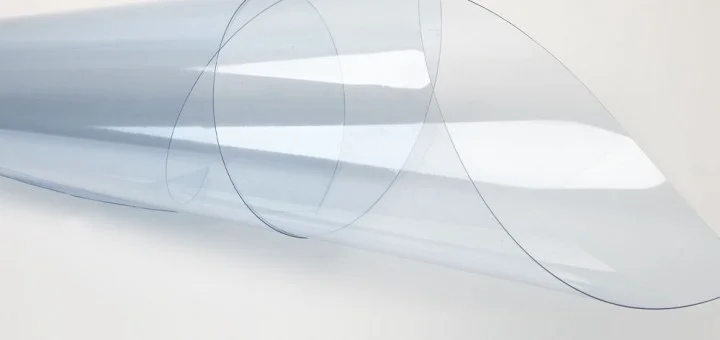
Modern manufacturing depends on materials that combine functionality, durability, and cost efficiency. From packaging and consumer goods to industrial components, manufacturers need materials that protect products while supporting efficient production processes. Transparent plastic films play an important role in meeting these requirements because they provide a protective layer without completely hiding the product underneath.
Among the materials used across different industries, Transparent PVC Film is valued for its visibility, flexibility, and adaptability to various applications. Depending on its formulation and thickness, it can help protect products from dust, moisture, surface damage, and routine handling. Its combination of practical properties makes it a useful option for manufacturers seeking reliable material solutions.
1. Understanding Transparent PVC Film
Transparent PVC film is a thin, flexible material made from polyvinyl chloride. Its physical characteristics can be adjusted during manufacturing to suit different requirements, including packaging, covering, display, and industrial use.
The film is available in different thicknesses, finishes, and flexibility levels. Some grades are designed to remain soft and easy to handle, while others provide a firmer structure for applications that require greater dimensional stability.
Its transparency is particularly useful in situations where products need protection without losing visual accessibility. Manufacturers can use it to cover or package items while allowing customers, workers, or inspectors to see what is inside.
2. Supporting Product Protection
One of the main roles of transparent PVC film in manufacturing is protecting finished goods during storage, handling, and transportation.
Products may encounter dust, moisture, scratches, and other environmental factors before reaching their final destination. A suitable film can act as a physical barrier and help reduce exposure to these conditions.
Common protective applications include:
- Covering surfaces to reduce dust accumulation.
- Wrapping products during storage and transportation.
- Protecting selected components from minor scratches.
- Providing a barrier against everyday handling.
- Keeping packaged items visually accessible.
The level of protection depends on the film’s thickness, formulation, and intended application. It is important to select a grade that matches the actual environmental and handling conditions.
3. Improving Visibility in Packaging and Display
Product visibility is an important consideration in modern packaging. Manufacturers and retailers often want customers to see a product before purchasing it, while still keeping it covered and protected.
Transparent PVC film supports this requirement by allowing visual inspection without removing the protective packaging.
It can be used in applications such as:
- Retail product packaging.
- Transparent protective covers.
- Stationery and document packaging.
- Display sleeves and product windows.
- Packaging for selected household goods.
Clear packaging can also help businesses present products more effectively. However, optical clarity may vary between grades, so buyers should evaluate transparency, haze, and surface quality before selecting a material.
4. Increasing Manufacturing Flexibility
Manufacturers work with different product shapes, sizes, and production methods. Materials that can accommodate varied processing requirements offer greater flexibility during product development.
Depending on its grade, transparent PVC film can be cut, folded, formed, printed, or incorporated into other manufacturing processes.
This adaptability makes it suitable for a range of applications, including protective packaging, covers, sleeves, and selected formed products.
Before using the material in production, manufacturers should check its compatibility with their equipment and processing conditions. Factors such as temperature, thickness, flexibility, and formulation can influence the final result.
5. Applications Across Different Industries
Transparent PVC film serves several manufacturing sectors because its properties can be adjusted for different purposes.
Packaging Industry
Packaging manufacturers use transparent PVC film for selected retail packaging, protective sleeves, product covers, and display applications. Its visibility allows products to remain recognizable while covered.
Construction and Building Materials
Certain grades are used for flexible covers, protective sheets, and selected interior applications. Their suitability depends on the required durability, environmental exposure, and applicable building standards.
Stationery and Office Products
The film can be incorporated into document covers, folders, organizers, and protective sleeves. Its transparency makes it possible to identify documents or items without removing them from their covers.
Consumer Goods Manufacturing
Manufacturers may use transparent PVC film in protective covers, organizers, display components, and other products where visibility and flexibility are useful.
Industrial Manufacturing
In industrial settings, suitable film grades can be used for equipment covers, component protection, and temporary surface protection. The required specifications depend on the operating environment and expected mechanical demands.
6. Helping Maintain Product Quality During Handling
Products can experience repeated handling during manufacturing, inspection, storage, and distribution. Without suitable protection, their surfaces may become marked, scratched, or contaminated.
Transparent PVC film can help reduce these risks when selected and applied correctly.
For example, manufacturers may use protective film to cover finished surfaces before products are packed or transported. The transparent appearance allows workers to inspect the covered items without immediately removing the protective layer.
However, not every PVC film is designed for direct surface contact or temporary adhesion. Businesses should test the material to ensure it does not leave residue, damage sensitive finishes, or interfere with later processing.
7. The Importance of Material Specifications
The performance of transparent PVC film depends on more than its appearance. Manufacturers should review the technical properties that influence how the material behaves during use.
Important considerations include:
Thickness: Determines the film’s overall structure and influences flexibility and resistance to handling damage.
Transparency: Affects how clearly the product can be viewed through the material.
Flexibility: Determines how easily the film bends, wraps, or conforms to different shapes.
Mechanical strength: Helps establish whether the material can withstand the stresses involved in handling and processing.
Thermal properties: Influence how the film responds to heat during manufacturing and storage.
Chemical formulation: Affects characteristics such as softness, durability, and suitability for specific applications.
Selecting the correct specifications helps manufacturers achieve more consistent results and reduce material-related production problems.
8. Supporting Efficient Production Processes
Material selection can influence manufacturing efficiency, especially when production involves high volumes.
A film that performs consistently can help reduce interruptions caused by tearing, poor processing behavior, or variations between batches.
Transparent PVC film may support production operations by offering:
- Flexible material options for different product designs.
- Compatibility with selected cutting and forming processes.
- Convenient visual inspection of covered products.
- Different thickness options for specific requirements.
- Potentially efficient use in packaging and protective applications.
Actual production efficiency depends on the film grade, equipment settings, operator procedures, and quality control practices. Testing materials before full-scale implementation is therefore important.
9. Quality Control and Supplier Selection
Manufacturers need reliable material quality to maintain consistent output. Even small differences in thickness, clarity, or flexibility can affect finished products and production performance.
When choosing a transparent PVC film supplier, businesses should evaluate more than the initial quotation.
Consider the following factors:
- Product consistency: Check whether the supplier can maintain agreed specifications across different batches.
- Technical documentation: Request product data sheets and relevant test reports.
- Sample availability: Test samples before placing large orders.
- Production capacity: Confirm that the supplier can meet current and future volume requirements.
- Delivery reliability: Review lead times and shipping arrangements.
- Technical support: Choose a supplier that can help identify suitable grades for specific applications.
A dependable supply arrangement can make procurement more predictable and help reduce the risk of production delays.
10. Environmental and Regulatory Considerations
Material selection should also account for environmental responsibilities and applicable regulations.
PVC is a recyclable plastic in certain waste-management systems, but actual recycling availability depends on local facilities, material composition, additives, and contamination. Businesses should check local recycling options rather than assume that every PVC film product can be processed through standard plastic collection programs.
Manufacturers should also review relevant regulatory requirements when using PVC film in food-contact, medical, or other regulated applications. General-purpose film should not be assumed suitable for these uses without appropriate testing and documentation.
Responsible purchasing includes considering material efficiency, minimizing production waste, and selecting products that meet the requirements of their intended markets.
11. How to Choose the Right Transparent PVC Film
Selecting an appropriate film begins with understanding the product and the conditions in which it will be used.
Manufacturers should consider:
- The type of product requiring protection.
- The level of transparency needed.
- Required thickness and flexibility.
- Expected exposure to moisture, heat, and handling.
- Compatibility with manufacturing equipment.
- Relevant safety and regulatory requirements.
- Expected order quantities and supply continuity.
It is also advisable to conduct a production trial before adopting a new grade on a large scale. Practical testing can reveal issues that may not be obvious from a technical data sheet alone.
Conclusion
Transparent PVC film has an important role in modern manufacturing by supporting product protection, visibility, and flexible material processing. Its range of available grades makes it useful in packaging, consumer goods, stationery, and selected industrial applications.
However, achieving the right results depends on choosing a film that matches the product’s requirements and manufacturing conditions. By evaluating thickness, clarity, flexibility, technical specifications, and supplier reliability, businesses can make more informed material decisions.
As manufacturers continue to focus on product quality and efficient production, selecting suitable protective materials remains an important part of maintaining reliable operations and delivering products in good condition.