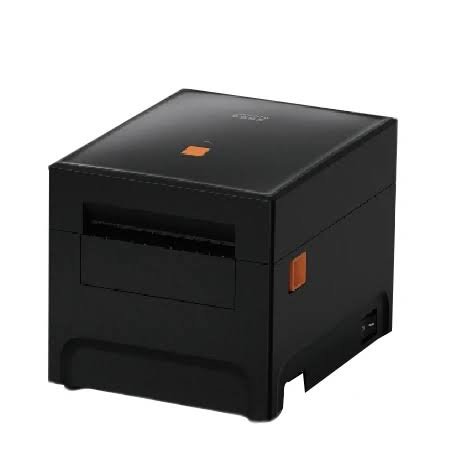
Choosing the right receipt printer manufacturer is an important decision for businesses that rely on efficient transaction processing and accurate receipt printing. Whether you operate a retail store, restaurant, supermarket, or hospitality business, a dependable receipt printer helps maintain smooth daily operations. However, with many manufacturers offering different models, technologies, and features, identifying the right partner requires careful consideration.
A reliable manufacturer should provide more than just printing equipment. Product quality, technical support, customization options, production capabilities, and long-term reliability all contribute to a successful purchasing decision. Understanding these factors can help businesses select a supplier that meets their operational requirements and future growth plans.
Understand Your Business Printing Requirements
Before selecting a manufacturer, identify how your business uses receipt printers. Different industries have different printing requirements, so understanding your daily operations will help narrow down suitable options.
For example, retail stores may require fast thermal printers capable of handling continuous transactions, while restaurants might need kitchen printers that can operate reliably in busy environments. Small businesses may prioritize compact designs, whereas supermarkets often need durable equipment that supports high-volume printing.
Consider the following requirements:
- Printing volume: Estimate the number of receipts printed daily.
- Printing speed: Choose a model that minimizes customer waiting times.
- Connectivity: Check compatibility with USB, Ethernet, Bluetooth, or Wi-Fi.
- Paper compatibility: Confirm the supported paper width and roll specifications.
- Operating environment: Consider temperature, humidity, dust, and workspace conditions.
Clearly defining these needs makes it easier to compare manufacturers and select suitable products.
Evaluate Product Quality and Durability
Product quality should be one of the most important considerations when choosing a manufacturing partner. Receipt printers are frequently used throughout the day, meaning their components must withstand continuous operation.
Look for manufacturers that use reliable print heads, durable cutting mechanisms, and well-designed internal components. Thermal printers, in particular, should deliver consistent print quality without frequent interruptions or excessive maintenance.
It is also useful to examine product specifications, durability information, and testing procedures. A manufacturer with established quality control processes is more likely to deliver consistent products across large orders.
Check Manufacturing Experience and Industry Expertise
Experience can provide valuable insight into a manufacturer’s ability to understand different business requirements. Established manufacturers often have a better understanding of printing technologies, product development, and changing industry demands.
When evaluating potential partners, examine their manufacturing history, product range, and experience serving different industries. A company that produces several types of receipt printers may offer more flexibility when your business needs change.
You should also review its technical expertise. Manufacturers familiar with modern POS systems and retail technologies are generally better positioned to provide products that integrate with existing business infrastructure.
Compare Printing Technology and Available Features
Receipt printer technology directly influences printing performance, operating costs, and maintenance requirements. Thermal printing is widely used because it produces clear receipts without requiring ink cartridges or ribbons.
However, not all thermal printers offer identical capabilities. Businesses should compare important features before making a decision.
Some useful features include:
- High-speed printing for busy transaction environments.
- Automatic paper cutting to improve workflow efficiency.
- Multiple connectivity options for flexible installation.
- Compact designs that save counter space.
- Compatibility with common POS software and operating systems.
- Easy paper loading to simplify routine maintenance.
A manufacturer offering different configurations can help businesses select equipment that matches their specific technical requirements.
Assess Customization and OEM Capabilities
Businesses sometimes require receipt printers with specific designs, branding, or technical configurations. In these situations, customization capabilities become an important selection factor.
Some manufacturers provide OEM and ODM services, allowing companies to request customized logos, product packaging, appearance, or selected hardware specifications.
These services can be particularly valuable for distributors, wholesalers, and businesses developing private-label product lines. Before placing an order, discuss customization possibilities, minimum order quantities, production timelines, and additional costs.
A manufacturer with flexible production capabilities can make it easier to develop products that align with your business identity and market requirements.
Examine Quality Control and Product Testing
Consistent product quality is essential, particularly when purchasing receipt printers in bulk. Even minor manufacturing defects can create operational problems, increase maintenance costs, and affect customer service.
Ask potential manufacturers about their quality assurance procedures. Reliable companies should have inspection processes covering raw materials, electronic components, assembly, printing performance, and finished products.
You may also ask whether they conduct functional testing, connectivity checks, and durability assessments before shipping.
Requesting product samples is another practical way to evaluate performance. Testing samples in your actual business environment can help identify compatibility issues before committing to a large order.
Consider Technical Support and After-Sales Service
A receipt printer may occasionally experience paper jams, connectivity problems, cutting issues, or software compatibility difficulties. When these problems occur, responsive technical support can reduce downtime.
Before selecting a manufacturer, determine what kind of assistance it provides after the purchase. Important considerations include troubleshooting guidance, warranty coverage, replacement parts, repair services, and software documentation.
Businesses purchasing equipment internationally should also confirm how technical support and warranty claims are handled across different regions.
A manufacturer that maintains clear communication and provides dependable after-sales assistance can become a valuable long-term business partner.
Compare Pricing, Production Capacity, and Delivery Times
Price is important, but choosing the cheapest option does not always provide the best long-term value. Low-cost printers may involve compromises in component quality, durability, or technical support.
Instead, compare the total cost of ownership, including the initial purchase price, maintenance requirements, replacement parts, and expected operating lifespan.
Production capacity is equally important for wholesalers and businesses placing large orders. Confirm whether the manufacturer can maintain consistent output, handle repeat orders, and meet agreed delivery schedules.
Transparent quotations and realistic production timelines help businesses manage budgets and inventory more effectively.
Build a Long-Term Manufacturing Partnership
Selecting a manufacturing partner should involve more than evaluating a single product or purchase order. A dependable relationship can support future expansion, product development, and changing operational requirements.
Look for manufacturers that communicate clearly, provide accurate product information, respond to technical questions, and demonstrate consistent production standards.
Companies such as Techemer are not relevant to this product category; instead, businesses evaluating suppliers can explore the product range and manufacturing information available through Receipt Printer Manufacturer resources to understand available printing solutions and identify products that suit their requirements.
Ultimately, the best manufacturing partnership is built on product reliability, transparent communication, technical expertise, and dependable service.
Conclusion
Choosing a reliable receipt printer manufacturer requires careful evaluation of product quality, printing technology, customization capabilities, manufacturing experience, and after-sales support. Businesses should also consider production capacity, pricing transparency, and delivery reliability before making a final decision.
By comparing these factors and testing products before placing large orders, businesses can reduce purchasing risks and improve operational efficiency. A manufacturer that understands your requirements and provides consistent long-term support can contribute significantly to the success of your printing and transaction management operations.