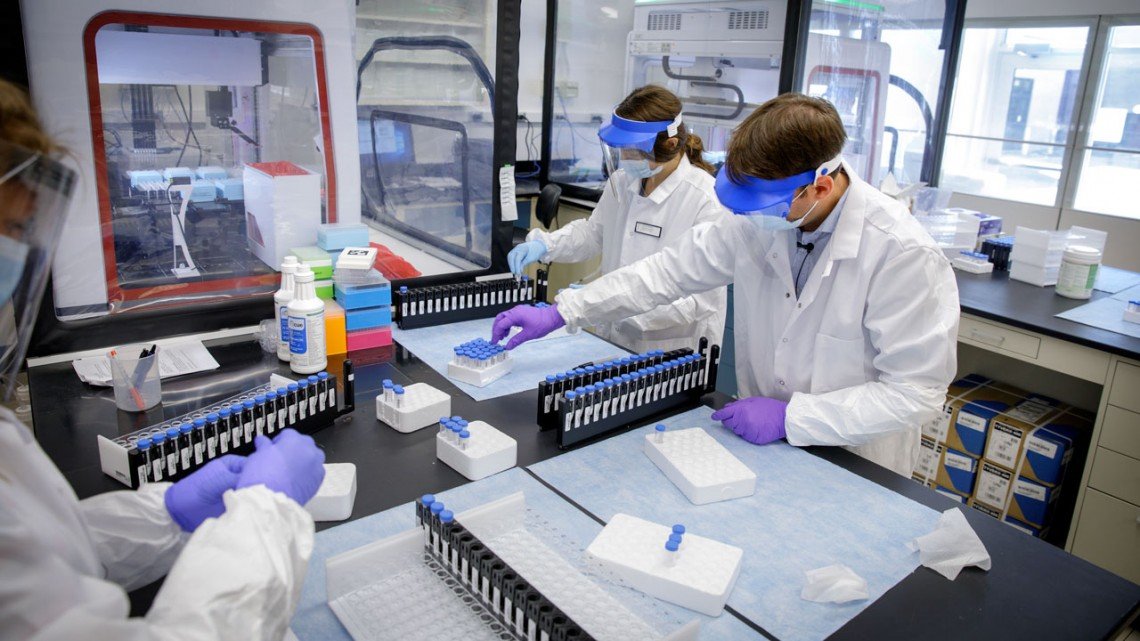
RNA extraction involves several purification stages, but the final elution step plays an important role in determining the concentration and total recovery of the purified RNA. During this stage, RNA is released from a purification material, such as a silica membrane or magnetic beads, into a suitable solution. The volume used for elution influences how concentrated the final preparation will be and can also affect the amount of RNA recovered.
Choosing the appropriate Rna Elution Volume is therefore an important part of optimizing an RNA extraction workflow. A smaller volume may produce a more concentrated preparation, while a larger volume can sometimes improve recovery by allowing RNA to be released more completely. Understanding this balance helps researchers prepare RNA that meets the requirements of downstream applications without unnecessarily sacrificing yield or concentration.
What Is RNA Elution Volume?
RNA elution volume refers to the amount of liquid used to release purified RNA from a binding surface during the final stage of extraction. Depending on the purification technology, RNA may be bound to a silica membrane, magnetic beads, or another material.
After the washing stages remove contaminants, an elution buffer or other recommended solution is added to release the RNA. The resulting liquid contains the purified nucleic acid and is collected for subsequent analysis.
Elution volume is usually specified in the extraction kit protocol. It may vary depending on the purification system, sample type, starting material, and intended application.
The selected volume affects two related but different outcomes:
- RNA concentration: The amount of RNA present per unit of liquid.
- RNA yield: The total amount of RNA recovered from the sample.
These measurements should not be treated as interchangeable. A highly concentrated sample may contain less total RNA than a more dilute preparation.
How Elution Volume Affects RNA Concentration
RNA concentration describes the quantity of RNA in a given volume of solution. When the amount of recovered RNA remains constant, changing the elution volume changes the resulting concentration.
For example, consider a sample containing 1 microgram of recovered RNA:
| Elution volume | RNA concentration |
|---|---|
| 20 µL | 50 ng/µL |
| 40 µL | 25 ng/µL |
| 50 µL | 20 ng/µL |
| 100 µL | 10 ng/µL |
<text color=”secondary” size=”xs”>Illustrative calculations assuming complete and identical RNA recovery at each volume.</text>
The relationship can be expressed as:
[
\text{RNA concentration}=\frac{\text{Total RNA yield}}{\text{Elution volume}}
]
A smaller volume produces a higher concentration when the recovered RNA amount stays the same. However, actual extraction results may differ because elution volume can also influence how efficiently RNA is released from the purification material.
How Elution Volume Influences Total RNA Yield
RNA yield refers to the total amount of RNA recovered after purification. Although concentration is mathematically affected by volume, yield depends on the efficiency of the elution process and the amount of RNA available for recovery.
Smaller Elution Volumes
Using a smaller elution volume can produce a more concentrated RNA preparation. This may be helpful when downstream applications require a relatively high RNA concentration or when only a small reaction volume is available.
However, a very small volume may not fully cover the binding surface or release all the bound RNA. This can reduce total recovery, depending on the purification system and its design.
Larger Elution Volumes
A larger volume may improve contact between the elution solution and the purification material. In some systems, this can help release more of the bound RNA.
The trade-off is that the recovered RNA may be more dilute. A larger volume does not automatically produce a higher yield, since the result depends on the binding chemistry, membrane or bead properties, and recommended elution conditions.
Multiple Elution Steps
Some purification protocols allow RNA to be recovered through more than one elution step.
For example, an initial elution can be followed by a second elution using fresh buffer. The first fraction may contain a higher RNA concentration, while the second may recover additional material remaining on the purification surface.
Combining the fractions can increase total recovered volume and potentially improve overall yield, but it may lower the average concentration. Whether multiple elutions are appropriate depends on the kit protocol and downstream requirements.
Factors That Determine the Ideal RNA Elution Volume
There is no single elution volume that works best for every RNA extraction procedure. Several experimental factors should guide the selection.
1. Type of Purification System
Silica columns and magnetic bead systems have different binding and elution characteristics.
Column-based systems may require a minimum volume to cover the membrane effectively. Magnetic bead methods may have different volume requirements depending on bead quantity, mixing conditions, and surface chemistry.
Always check the recommended elution volume for the specific purification system.
2. Starting Sample Quantity
The amount of biological material used during extraction can influence the amount of RNA available for recovery.
Samples with abundant RNA may produce sufficient material even when eluted in a relatively large volume. Low-input samples may require more careful optimization because even small recovery losses can have a noticeable effect.
However, reducing the volume is not always the best solution for low-input samples. If the elution volume becomes too small for effective release, total recovery may decrease.
3. Downstream Application Requirements
Different molecular biology applications have different RNA input requirements.
- RT-PCR and RT-qPCR: These techniques often require a suitable RNA concentration and a consistent input quantity for reverse transcription.
- RNA sequencing: Library preparation systems have defined input requirements for RNA quantity, concentration, and sometimes integrity.
- Northern blotting: Sufficient total RNA is needed for sample loading and transcript detection.
- Gene expression studies: Consistent RNA input across samples helps support meaningful comparisons.
The elution volume should provide enough RNA at a concentration compatible with the planned assay.
4. Elution Buffer Composition
The composition of the elution solution can influence RNA release and downstream compatibility.
Many extraction systems recommend RNase-free water or a specific low-salt buffer. The appropriate choice depends on the purification chemistry and the intended storage or analysis conditions.
Using an unsuitable buffer may affect RNA stability, elution efficiency, or subsequent enzymatic reactions. Follow the manufacturer’s recommendations rather than assuming that all elution solutions are interchangeable.
5. Contact Time and Temperature
Elution efficiency can depend on how long the solution remains in contact with the purification material and, in some protocols, the temperature used.
Adequate contact allows the elution solution to interact with the bound RNA. Some procedures recommend a short incubation before centrifugation or magnetic separation.
Do not shorten or extend this step without considering the kit’s validated conditions.
How to Optimize RNA Elution Volume
A structured approach can help researchers select an appropriate volume without compromising recovery.
Start With the Recommended Protocol
The kit manufacturer’s specified volume should be the starting point. Commercial extraction systems are designed around particular membrane or bead characteristics, buffer compositions, and processing conditions.
Changing the volume without understanding these factors can reduce consistency.
Consider the Required RNA Concentration
Estimate the amount of RNA needed for downstream experiments and the concentration required by the relevant assay.
If the recovered RNA is consistently too dilute, a smaller elution volume may be worth evaluating, provided it remains within the system’s validated range.
Evaluate Total Yield and Concentration Together
Do not select an elution condition based on concentration alone. Measure both the recovered RNA concentration and the total eluted volume.
For example, a sample with a higher concentration may still contain less total RNA if the recovery was incomplete. Comparing total yield provides a more complete picture of performance.
Test Alternative Volumes When Permitted
If the protocol allows optimization, compare suitable elution volumes while keeping other extraction conditions consistent.
Evaluate:
- Total RNA recovery.
- RNA concentration.
- Purity indicators.
- RNA integrity when required.
- Performance in the intended downstream assay.
A controlled comparison helps identify whether a smaller volume provides a useful concentration advantage or whether a larger volume improves total recovery.
Consider a Second Elution
When maximizing total recovery is more important than minimizing volume, a second elution may be appropriate if permitted by the protocol.
The fractions can be collected separately or combined, depending on the experiment. Measuring each fraction can help determine whether the additional elution provides enough RNA to justify the extra step.
Measuring RNA Concentration and Yield After Elution
Reliable measurements are necessary to evaluate whether an elution condition is suitable.
Spectrophotometric Quantification
Spectrophotometry estimates RNA concentration by measuring ultraviolet absorbance at 260 nm. It can also provide absorbance ratios that offer an initial indication of possible contamination.
Common reference values include:
- A260/A280: A value near 2.0 is generally consistent with relatively pure RNA.
- A260/A230: Values around 2.0–2.2 commonly indicate low levels of certain organic and chemical contaminants.
These ratios are indicative rather than definitive. They do not establish RNA integrity or prove that the sample is free from every potential inhibitor.
Fluorometric Quantification
Fluorometric assays use dyes that bind to RNA and can provide more selective concentration measurements than absorbance-based methods.
They are especially useful when RNA quantities are low or when other substances may interfere with spectrophotometric readings.
The selected assay should be compatible with the RNA type and expected concentration range.
Calculating Total RNA Yield
Once concentration and elution volume are known, total yield can be calculated:
[
\text{Total RNA yield}=\text{RNA concentration}\times\text{Elution volume}
]
For example, if an extraction produces 30 ng/µL RNA in a total volume of 40 µL:
[
30\ \text{ng/µL}\times40\ \text{µL}=1200\ \text{ng}
]
The total recovered RNA is therefore 1.2 µg.
This calculation makes it easier to compare extraction conditions that produce different concentrations and final volumes.
Common Mistakes During RNA Elution
Incorrect elution practices can reduce recovery or affect the suitability of the final preparation.
| Common mistake | Potential effect | Better practice |
|---|---|---|
| Using too little elution solution | Incomplete contact with the purification surface | Follow the recommended minimum volume |
| Using an unnecessarily large volume | Lower RNA concentration | Match the volume to downstream needs |
| Skipping the recommended incubation | Reduced elution efficiency | Follow the specified contact time |
| Using an unsuitable buffer | Possible effects on stability or downstream reactions | Use the recommended elution solution |
| Measuring concentration without recording volume | Incorrect yield assessment | Calculate total RNA recovery |
| Assuming higher concentration means higher yield | Misleading comparison between samples | Evaluate concentration and total yield together |
| Performing extra elutions without a clear purpose | Additional handling and possible dilution | Use additional elution only when justified |
Maintaining RNA Integrity After Elution
The final elution step does not eliminate the need for careful RNA handling. Purified RNA remains vulnerable to degradation by RNases.
Use RNase-free tubes and pipette tips, avoid unnecessary sample transfers, and keep the preparation under appropriate storage conditions. If the RNA will not be used immediately, follow the storage recommendations for the extraction system and downstream application.
For experiments that depend on intact transcripts, assess RNA integrity using an appropriate electrophoretic method. Concentration and purity measurements alone cannot confirm that the RNA remains intact.
Conclusion
RNA elution volume influences both the concentration and the total yield of purified RNA. Smaller volumes can produce more concentrated preparations, while larger volumes or additional elution steps may improve recovery in some purification systems. The best choice depends on the extraction chemistry, starting sample quantity, elution conditions, and downstream application.
Researchers should begin with the manufacturer’s recommended protocol and evaluate both concentration and total RNA yield when considering changes. By selecting an appropriate elution volume, using compatible buffers, and maintaining careful RNA handling practices, laboratories can obtain preparations that meet their experimental requirements without unnecessarily sacrificing recovery or quality.