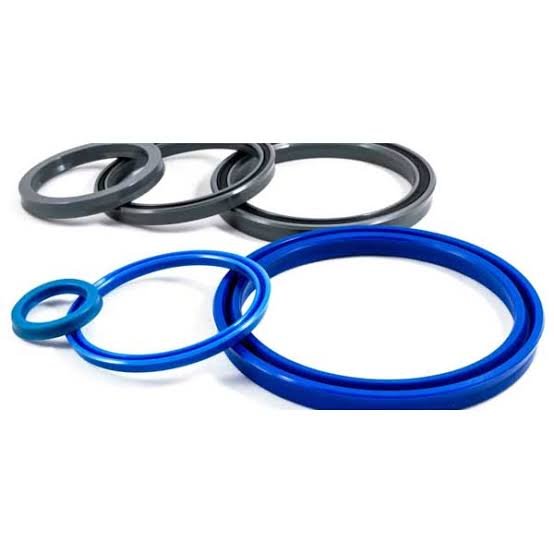
Hydraulic systems play an essential role in modern construction and agricultural machinery. Excavators, tractors, loaders, harvesters, cranes, and other heavy equipment depend on hydraulic power to perform tasks such as lifting, digging, steering, pushing, and operating attachments. These systems require reliable sealing components to maintain pressure, prevent fluid leakage, and protect internal parts from contamination.
A professional Hydraulic Seals Manufacturer supports these industries by producing sealing components designed for different machinery types and operating conditions. Through suitable material selection, precision manufacturing, product testing, and application-specific designs, manufacturers help equipment producers and maintenance teams maintain dependable hydraulic performance in demanding working environments.
1. The Importance of Hydraulic Seals in Heavy Equipment
Hydraulic seals are designed to control fluid movement within hydraulic systems. They prevent oil from escaping and help maintain the pressure required to operate cylinders, motors, and other hydraulic components.
Construction and agricultural machinery often works for long hours under heavy loads. Without effective sealing, hydraulic systems may experience leakage, reduced operating pressure, contamination, and performance problems.
Hydraulic seals contribute to equipment reliability by:
- Maintaining pressure inside hydraulic cylinders.
- Preventing external fluid leakage.
- Protecting hydraulic components from dirt and moisture.
- Reducing the risk of internal fluid bypass.
- Supporting smooth movement of pistons and rods.
- Helping reduce maintenance interruptions.
Their performance is especially important in equipment that operates continuously or works in harsh outdoor environments.
2. Supporting the Construction Industry
<AsyncImage query=”construction excavator digging earth hydraulic machinery jobsite” aspectRatio=”16:9″ width=”100%”/>
Construction machinery depends heavily on hydraulic systems to perform demanding operations. Equipment such as excavators, bulldozers, wheel loaders, cranes, and concrete machinery uses hydraulic cylinders to generate controlled force and movement.
These machines often operate in dusty environments, on uneven surfaces, and under changing weather conditions. Hydraulic seals must therefore withstand pressure, friction, vibration, and exposure to external contaminants.
Excavators
Excavators use hydraulic cylinders to control the boom, arm, and bucket. These components experience repeated movement and substantial mechanical loads.
Piston seals help maintain pressure within the cylinders, while rod seals prevent fluid from leaking along moving piston rods. Wiper seals remove dirt and debris before they enter the cylinder assembly.
Bulldozers
Bulldozers use hydraulic systems to raise, lower, and angle their blades. These operations involve considerable force, particularly when moving soil and other heavy materials.
Durable seals help maintain hydraulic pressure and support reliable blade positioning.
Wheel Loaders
Wheel loaders use hydraulic cylinders for lifting arms, tilting buckets, and controlling certain steering functions.
Their seals need to withstand repeated operating cycles and mechanical stress while maintaining effective fluid containment.
Cranes
Hydraulic systems in cranes control boom extension, lifting mechanisms, and stabilizing equipment.
Sealing components must meet the system’s pressure and movement requirements to support dependable operation.
3. Meeting the Demands of Agricultural Machinery
<AsyncImage query=”modern agricultural tractor operating in crop field hydraulic equipment” aspectRatio=”16:9″ width=”100%”/>
Agricultural equipment uses hydraulic power for many operations, including lifting implements, controlling steering systems, adjusting attachments, and operating harvesting mechanisms.
Unlike machinery used in controlled indoor environments, agricultural equipment frequently works in fields where dust, mud, moisture, plant residue, and changing temperatures are common.
Hydraulic seals help protect these systems and maintain their operating performance.
Tractors
Tractors use hydraulic systems for three-point hitch mechanisms, steering assistance, loaders, and other attachments.
Their seals must accommodate repeated movement and exposure to outdoor conditions.
Combine Harvesters
Combine harvesters rely on hydraulic systems for steering, header positioning, reel adjustments, and other machine functions.
During harvest periods, equipment may operate for extended hours, making dependable hydraulic sealing particularly important.
Sprayers
Agricultural sprayers may use hydraulic components to control boom positioning, folding mechanisms, and other adjustable parts.
Suitable seals help maintain system pressure and reduce fluid leakage during field operations.
Agricultural Loaders
Front-end loaders and similar attachments use hydraulic cylinders to lift and move materials.
Their sealing requirements depend on operating pressure, load conditions, movement frequency, and environmental exposure.
4. Producing Seals for High-Pressure Applications
Both construction and agricultural machinery use hydraulic systems that can experience significant pressure during operation.
When a hydraulic cylinder lifts a heavy load or pushes against resistant material, its seals must maintain effective contact with the surrounding surfaces.
Manufacturers consider several factors when designing products for high-pressure applications:
- Operating and peak pressure.
- Seal profile and geometry.
- Material hardness and strength.
- Extrusion clearance.
- Cylinder dimensions.
- Movement speed and operating cycles.
Piston seals, rod seals, and backup rings may be combined to meet the requirements of particular hydraulic assemblies.
The correct design depends on the complete system rather than pressure rating alone.
5. Selecting Materials for Outdoor Working Conditions
Material selection is an important part of manufacturing hydraulic seals for construction and agriculture.
Equipment operating outdoors may experience temperature changes, abrasive particles, moisture, and contact with different hydraulic fluids. Sealing materials must be compatible with these conditions.
Polyurethane (PU)
Polyurethane is commonly used in demanding hydraulic applications because of its abrasion resistance and mechanical strength.
It is frequently considered for piston and rod sealing arrangements where repeated movement and wear resistance are important.
Nitrile Rubber (NBR)
Nitrile rubber is widely used in hydraulic systems involving compatible petroleum-based fluids.
It offers useful flexibility and sealing properties for many general equipment applications.
PTFE
Polytetrafluoroethylene provides low friction and resistance to many chemicals.
It is used in specialized sealing arrangements where these properties are beneficial.
Fluorocarbon (FKM)
FKM materials can be suitable for applications involving elevated temperatures and certain chemical exposures.
Their compatibility should be confirmed against the actual hydraulic fluid and operating conditions.
The final material choice should consider temperature, pressure, fluid compatibility, movement, and expected service life.
6. Protecting Hydraulic Systems from Dust and Contamination
<AsyncImage query=”hydraulic cylinder piston rod wiper dust seal close up construction equipment” aspectRatio=”16:9″ width=”100%”/>
Dust and contamination are major challenges for construction and agricultural machinery.
Excavators work around soil and rocks, while tractors and harvesters operate in fields containing dust, plant residue, and moisture. These contaminants can enter hydraulic cylinders through exposed moving components if adequate protection is not provided.
Hydraulic wiper seals help reduce this risk by removing contaminants from piston rods as they retract into the cylinder.
A properly designed sealing arrangement may include:
- Rod seals to prevent external hydraulic fluid leakage.
- Wiper seals to remove external contaminants.
- Piston seals to control internal fluid movement.
- Wear rings to guide components and reduce metal-to-metal contact.
Together, these components help protect hydraulic assemblies from premature wear and contamination-related damage.
7. Improving Equipment Efficiency and Reducing Downtime
Hydraulic leakage can reduce system efficiency and create additional maintenance requirements.
In construction, equipment downtime may delay projects and affect work schedules. In agriculture, machinery failure during planting or harvesting periods can disrupt time-sensitive operations.
Reliable sealing components help reduce the risk of leakage-related interruptions when they are correctly selected and maintained.
Manufacturers support equipment reliability through:
- Consistent material quality.
- Accurate product dimensions.
- Application-specific seal designs.
- Suitable production processes.
- Product inspection and testing.
- Technical guidance for sealing requirements.
Although seal quality is important, overall system performance also depends on correct installation, hydraulic fluid condition, component alignment, and regular maintenance.
8. Custom Hydraulic Seals for Specialized Equipment
Construction and agricultural machinery manufacturers often produce equipment with different hydraulic cylinder dimensions and technical requirements.
Standard seals may be suitable for common applications, but specialized equipment can require customized sealing components.
Custom hydraulic seal manufacturing allows products to be developed according to specific requirements, including:
- Non-standard dimensions.
- Special sealing profiles.
- Particular material properties.
- Unique installation arrangements.
- Specific pressure and temperature ranges.
- Replacement requirements for older machinery.
Manufacturers may work from technical drawings, dimensional specifications, or physical samples to develop suitable products.
Before production, engineers should verify the original design requirements because worn or damaged samples may not provide accurate measurements.
9. Quality Testing for Construction and Agricultural Seals
Hydraulic seals used in heavy equipment need to meet defined quality requirements.
Manufacturers use inspection and testing procedures to evaluate material properties, dimensions, and performance characteristics.
Common quality checks include:
Hardness Testing: Evaluates resistance to indentation and helps verify material consistency.
Tensile Testing: Measures material strength and elongation under controlled conditions.
Compression Set Testing: Evaluates the ability of a material to recover after sustained compression.
Dimensional Inspection: Confirms that seals match specified measurements and tolerances.
Fluid Compatibility Testing: Examines how hydraulic fluids affect material properties.
Pressure and Leakage Testing: Evaluates sealing performance under specified operating conditions.
The required tests depend on the product type, material, and application. Testing under representative conditions can provide additional information about suitability for demanding machinery.
10. Supporting Different Construction and Agriculture Applications
Hydraulic seal manufacturers serve a wide range of equipment categories. Understanding these applications helps manufacturers recommend suitable sealing arrangements.
| Industry | Equipment | Common Hydraulic Functions |
|---|---|---|
| Construction | Excavators | Boom, arm, and bucket movement |
| Construction | Bulldozers | Blade positioning |
| Construction | Wheel loaders | Lifting and bucket control |
| Construction | Cranes | Lifting and boom extension |
| Agriculture | Tractors | Steering and implement lifting |
| Agriculture | Combine harvesters | Header positioning and machine control |
| Agriculture | Sprayers | Boom adjustment and folding |
| Agriculture | Agricultural loaders | Lifting and material handling |
Each application has different pressure, movement, contamination, and temperature requirements. Selecting seals according to these factors helps improve their suitability for the intended machinery.
11. The Role of Proper Installation and Maintenance
Even high-quality hydraulic seals can fail prematurely if they are installed incorrectly or used outside their operating limits.
Construction and agricultural equipment often works in environments where regular maintenance is essential.
Maintenance teams should follow recommended installation procedures and inspect sealing components during scheduled equipment servicing.
Important practices include:
- Confirm the replacement seal’s dimensions and material.
- Inspect piston rods and cylinder bores for scratches or damage.
- Clean sealing grooves before installation.
- Use suitable installation tools to prevent seal damage.
- Follow the specified installation direction.
- Check for leakage after reassembly.
- Monitor hydraulic fluid condition and contamination.
Regular inspection can help identify wear, leakage, and other problems before they cause significant equipment interruptions.
12. How to Choose a Hydraulic Seals Manufacturer
Choosing the right manufacturing partner is important for construction equipment producers, agricultural machinery companies, and maintenance businesses.
A suitable manufacturer should understand the technical demands of hydraulic applications and maintain consistent production standards.
Consider the following factors when evaluating a supplier:
Product and Material Knowledge
The manufacturer should understand common sealing materials and their suitability for different hydraulic fluids, temperatures, and operating conditions.
Engineering Capabilities
Experience with technical drawings, customized dimensions, and application-specific sealing profiles is valuable when standard products are unsuitable.
Manufacturing Accuracy
Review the company’s production capabilities and methods for maintaining dimensional consistency.
Quality Control
Ask about incoming material inspection, dimensional testing, performance evaluation, and batch traceability.
Production Capacity
Confirm that the manufacturer can support the required order quantities and delivery schedules.
Technical Support
Clear communication helps resolve questions about product selection, specifications, installation, and replacement requirements.
A manufacturer with suitable technical knowledge and quality management practices can help buyers make more informed purchasing decisions.
Future Trends in Hydraulic Seals for Construction and Agriculture
Both industries are changing as machinery becomes more efficient, automated, and technologically advanced. These developments may influence future hydraulic sealing requirements.
More Advanced Sealing Materials
Material development may provide improved resistance to wear, temperature changes, and specific hydraulic fluids.
Greater Equipment Efficiency
Modern hydraulic systems increasingly focus on reducing energy losses and improving movement control. Seals will continue to play a role in maintaining system pressure and minimizing leakage.
Customized Product Development
As machinery designs become more specialized, demand for application-specific sealing components may increase.
Improved Quality Monitoring
Digital inspection systems and production data analysis can help manufacturers identify defects and maintain consistent manufacturing conditions.
Greater Attention to Maintenance
Equipment operators are increasingly focused on preventive maintenance to reduce unexpected downtime and extend machinery service life.
These developments create opportunities for manufacturers to improve product design and production practices.
Conclusion
Hydraulic seals manufacturers support the construction and agriculture industries by supplying components that help maintain pressure, prevent leakage, and protect hydraulic systems from contamination. Their products are essential to the operation of excavators, loaders, cranes, tractors, harvesters, and many other types of machinery.
Through suitable material selection, precision manufacturing, custom engineering, and quality testing, manufacturers help address the demanding conditions found in both industries. However, reliable performance also depends on correct seal selection, proper installation, and regular equipment maintenance.
For machinery producers and equipment maintenance teams, working with a technically capable manufacturer is an important step toward obtaining suitable hydraulic sealing solutions and supporting dependable equipment operation.