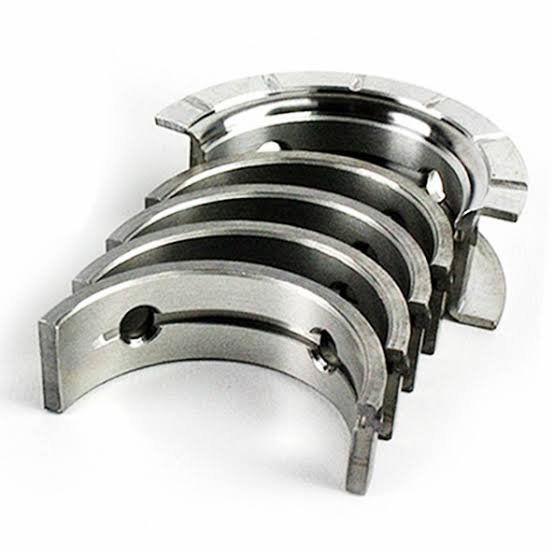
Marine bearings are essential components in ships, boats, offshore equipment, and other marine systems. They support rotating shafts, reduce friction, and help machinery operate smoothly under demanding conditions. However, the marine environment presents several challenges, including saltwater exposure, humidity, vibration, heavy loads, and continuous operation. To address these conditions, manufacturers increasingly rely on advanced materials and modern production technologies.
Material innovation and engineering improvements help extend bearing service life, improve operational reliability, and reduce maintenance requirements. A professional Marine Bearings Manufacturer evaluates the operating environment, mechanical requirements, and lubrication conditions before selecting suitable materials and manufacturing methods.
Advanced Materials Used in Marine Bearings
Material selection directly affects bearing performance, particularly in environments where corrosion resistance, strength, and wear protection are essential. Different materials offer specific advantages depending on the application.
Bronze and Copper Alloys
Bronze alloys have been widely used in marine bearing applications because of their strength, wear resistance, and suitability for certain water-lubricated systems. These materials can provide reliable performance under appropriate load and lubrication conditions.
Different bronze compositions offer varying levels of strength, corrosion resistance, and machinability. Manufacturers select the alloy according to the bearing’s intended operating environment and compatibility with surrounding components.
Stainless Steel
Stainless steel is commonly used in marine equipment because of its resistance to corrosion and mechanical strength. It can be suitable for bearing-related components exposed to moisture and challenging environmental conditions.
However, stainless steel grades have different corrosion-resistance properties. Manufacturers must consider the specific alloy, surface finish, and exposure conditions rather than assuming that every stainless steel grade performs equally well in seawater.
Engineering Plastics and Polymers
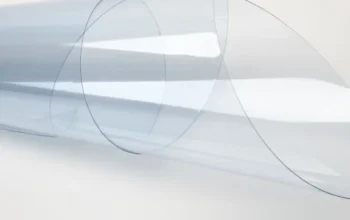
Advanced engineering plastics, including specialized polymer materials, are increasingly important in marine bearing applications. Depending on their composition, these materials can offer low friction, corrosion resistance, reduced weight, and good wear characteristics.
Some polymer bearings are designed for water-lubricated operation, making them useful in applications where conventional oil lubrication is undesirable. Their performance depends on factors such as load, temperature, shaft finish, and water availability.
Composite Materials
Composite bearings combine different materials to achieve specific mechanical and operational properties. A typical design may include a structural backing with a specialized bearing layer.
These materials can provide a balance of strength, dimensional stability, and wear resistance. They are particularly useful when manufacturers need to meet demanding operating requirements that a single material may not address effectively.
Modern Manufacturing Technologies
Advanced materials require accurate production methods to achieve their intended performance. Modern manufacturing technologies help improve dimensional consistency, surface quality, and production efficiency.
CNC Machining
Computer Numerical Control (CNC) machining allows manufacturers to produce bearing components with precise dimensions and repeatable results. Automated machining processes can reduce variations between production batches and improve manufacturing consistency.
CNC technology is particularly useful for producing components with specific internal diameters, external dimensions, grooves, and other functional features. Accurate machining also helps maintain appropriate bearing clearances and shaft compatibility.
Precision Grinding and Surface Finishing
Surface quality influences friction, contact behavior, and wear. Precision grinding and other finishing processes help achieve the required surface characteristics for different bearing designs.
A properly finished bearing surface can support smoother operation when combined with suitable shaft conditions and lubrication. Manufacturers inspect finished components to ensure that surface irregularities do not compromise performance.
Computer-Aided Design and Simulation
Computer-Aided Design (CAD) software helps engineers develop bearing designs based on application requirements. It allows them to evaluate dimensions, geometry, installation arrangements, and material options before production begins.
Simulation tools can also help assess stress distribution, deformation, and thermal behavior under selected operating conditions. These methods support design optimization and can reduce the need for repeated physical prototypes.
Technologies That Improve Bearing Performance
Beyond basic manufacturing equipment, several technologies contribute to improved marine bearing reliability.
Advanced Coatings and Surface Treatments
Protective coatings and surface treatments can improve resistance to corrosion, friction, or wear when they are compatible with the bearing material and application. Their selection depends on operating temperature, water exposure, contact conditions, and maintenance requirements.
Manufacturers must ensure that any coating or treatment does not interfere with dimensional accuracy or the intended contact between bearing surfaces.
Improved Lubrication Designs
Lubrication plays a major role in controlling friction and heat. Marine bearings may use oil, grease, or water lubrication, depending on their design and operating environment.
Water-lubricated systems are particularly relevant in certain marine applications because they can reduce dependence on oil-based lubrication. Their effectiveness depends on appropriate material selection, sufficient water supply, and correct operating conditions.
Automated Inspection and Measurement
Digital measurement equipment and automated inspection systems help manufacturers verify product dimensions and identify production inconsistencies. These technologies can improve inspection repeatability and support better quality documentation.
Depending on the bearing type, inspection may include dimensional checks, surface evaluation, material verification, and performance testing.
How Material and Technology Choices Affect Durability
Advanced materials and production technologies work together to determine bearing service life. A corrosion-resistant material may still perform poorly if its dimensions are inaccurate or its surface finish is unsuitable. Similarly, precision manufacturing cannot compensate for a material that is incompatible with the operating environment.
Manufacturers therefore evaluate several factors together:
- Load capacity: The material must withstand the expected mechanical forces.
- Corrosion resistance: Components should suit the level of saltwater and moisture exposure.
- Wear behavior: Contact surfaces must be appropriate for the operating speed and lubrication method.
- Thermal stability: Materials should maintain suitable properties within the expected temperature range.
- Dimensional accuracy: Proper tolerances support correct installation and operation.
- Maintenance needs: The design should align with the equipment’s inspection and servicing requirements.
Considering these factors helps engineers select practical solutions rather than focusing on a single material property.
Conclusion
Advanced materials and modern manufacturing technologies are improving the performance and reliability of marine bearings. Bronze alloys, stainless steel, engineering polymers, and composites provide different benefits, while CNC machining, precision finishing, digital design, and automated inspection help maintain product consistency.
When evaluating marine bearing solutions, buyers should consider material specifications, manufacturing capabilities, quality-control procedures, and compatibility with their equipment. Techemer is one brand that buyers can consider when exploring marine bearing options suited to specific application requirements. Selecting the right combination of materials and engineering technologies helps support smoother operation, longer service life, and more dependable marine equipment.