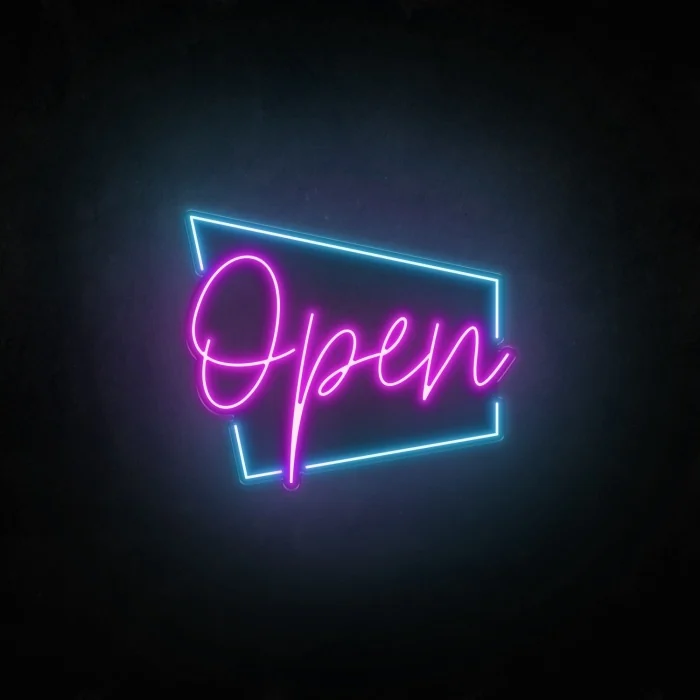
Choosing the right supplier is an important step when ordering custom LED neon signs for a business, retail space, event, or personal project. Although many products may look similar in photographs, their materials, construction methods, lighting performance, and customization capabilities can differ significantly. Comparing suppliers carefully helps buyers avoid unexpected problems and select signs that meet their visual and practical requirements.
When evaluating potential suppliers, it is useful to consider their product range, production experience, communication, and quality control processes. Reputable LED Neon Sign Manufacturers should be able to explain their available options, clarify technical specifications, and provide guidance throughout the ordering process. Looking at these factors together makes it easier to assess whether a manufacturer can deliver a finished sign that matches the intended design.
1. Evaluate Material Quality
The materials used in an LED neon sign have a direct impact on its appearance, durability, and performance. Buyers should ask about the LED neon flex, backing board, wiring, connectors, and other components included in the product.
A reliable sign should have consistent lighting, clean edges, and securely assembled parts. The backing material should also be suitable for the sign’s dimensions and intended installation location.
When comparing suppliers, request clear product specifications rather than relying only on general descriptions such as premium quality or long-lasting performance.
2. Review Customization Capabilities
Customization is often a major reason for choosing LED neon signs. Different projects may require specific lettering, logos, colors, dimensions, shapes, or lighting effects.
Before selecting a manufacturer, check whether it can accommodate your design requirements. Useful questions include:
- Can the supplier reproduce custom logos and artwork?
- Are different fonts, colors, and sizes available?
- Can the design include multiple colors?
- Are unusual shapes or layouts supported?
- Can the manufacturer work from supplied artwork or reference images?
A supplier with flexible customization options is better positioned to support projects with distinct branding or decorative requirements.
3. Examine Previous Work and Product Examples
A manufacturer’s portfolio can provide useful insight into its design and production capabilities. Look for examples that are similar to the sign you intend to order.
Pay attention to lettering accuracy, color consistency, brightness, finishing details, and the overall appearance of completed products. If possible, review photographs from different angles rather than relying on a single promotional image.
Examples of previous work can also help determine whether the supplier has experience with commercial signs, decorative displays, event signage, or other specialized applications.
4. Compare Lighting Performance
Brightness and color quality influence how an LED neon sign looks in its intended setting. A sign designed for a dim interior may require different lighting specifications from one placed in a brightly lit storefront.
Ask manufacturers about their available brightness levels, color choices, and lighting configurations. It is also useful to confirm whether the lighting is consistent across the entire design and whether dimming options are available when needed.
Comparing these specifications helps ensure that the selected sign provides suitable visibility without creating excessive brightness.
5. Check Indoor and Outdoor Suitability
Not every LED neon sign is designed for outdoor installation. Environmental exposure can affect electrical components, connections, and backing materials.
If the sign will be used outdoors, ask about its weather protection, enclosure design, electrical safety features, and suitability for the expected conditions. For indoor projects, consider the installation environment, ventilation, mounting surface, and proximity to power sources.
A manufacturer should be able to explain which product specifications are appropriate for the intended location.
6. Understand the Design Approval Process
A clear design approval process reduces the possibility of mistakes during production. Before manufacturing begins, buyers should ideally receive a digital preview or design proof showing the proposed layout.
Review the following details carefully:
- Text spelling and letter arrangement.
- Dimensions and proportions.
- Colors and lighting placement.
- Logo accuracy and graphic details.
- Backing shape and mounting points.
Confirming these elements before production helps prevent revisions, delays, and additional expenses.
7. Assess Production Standards and Quality Control
Quality control is important because even a well-designed sign can have problems if it is assembled poorly. Ask how the manufacturer checks its products before shipment.
Useful checks may include testing the lighting, inspecting electrical connections, reviewing the finish, and confirming that the completed sign matches the approved design.
Suppliers should also be willing to explain how they handle defects or production errors. Clear quality procedures provide buyers with a better understanding of what to expect from the finished product.
8. Compare Pricing Based on Complete Specifications
Price is an important consideration, but the lowest quotation does not always represent the best value. Differences in materials, dimensions, lighting components, customization, and included accessories can explain why suppliers offer different prices.
When reviewing quotations, compare the same specifications wherever possible. Confirm whether the price includes the power supply, mounting accessories, packaging, shipping, and any design-related charges.
A detailed quotation makes it easier to understand the actual cost and identify potential additional expenses before placing an order.
9. Review Communication and Customer Support
Effective communication helps keep a custom sign project organized. A manufacturer should respond clearly to questions about design options, technical requirements, production schedules, and delivery arrangements.
Pay attention to whether the supplier understands your requirements and provides practical answers. Clear communication is particularly important when a project involves several revisions or detailed branding specifications.
It is also worth asking how the manufacturer handles issues after delivery, including damaged products, technical questions, and warranty-related concerns.
10. Confirm Delivery Times and Packaging
Production time and shipping arrangements can affect the overall project schedule. Ask for an estimated manufacturing timeline and confirm how the sign will be packaged for transportation.
LED neon signs may include delicate components, such as acrylic backing and electrical connections, so suitable protective packaging is important. For international orders, buyers should also clarify shipping methods, tracking availability, customs charges, and delivery responsibilities.
Having these details confirmed in advance helps reduce uncertainty during the purchasing process.
Conclusion
Comparing LED neon sign manufacturers requires more than checking product photographs or choosing the lowest price. Buyers should evaluate material quality, customization options, lighting performance, production standards, communication, and delivery arrangements.
By reviewing these factors and comparing suppliers against consistent specifications, businesses and individuals can make more confident purchasing decisions. A manufacturer that combines reliable construction with flexible customization and clear service practices is more likely to provide a sign that meets the project’s design and functional requirements.