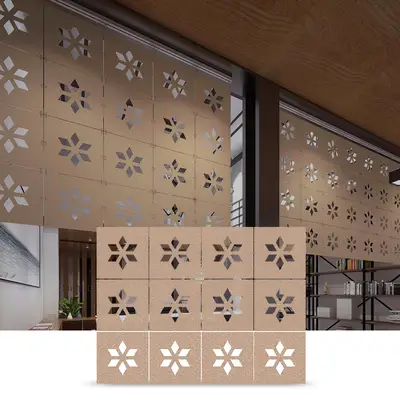
Buying acoustic panels in bulk is a significant decision for businesses, contractors, interior designers, and project managers handling large commercial or residential spaces. While bulk purchasing can help reduce costs and simplify project planning, material quality should remain a top priority. Choosing low-quality products may lead to inconsistent acoustic performance, premature damage, and additional replacement expenses. Selecting reliable materials from the beginning helps ensure better results and long-term value.
Working with a dependable Acoustic Panels Supplier can help buyers evaluate material options, compare product specifications, and maintain consistent quality across large orders. When purchasing in substantial quantities, it is particularly important to understand how materials are manufactured, tested, finished, and prepared for installation.
Why Material Quality Matters in Bulk Purchasing
When acoustic panels are purchased in bulk, even small differences in material quality can affect an entire project. A minor manufacturing inconsistency across a few panels may be manageable, but the same issue repeated across hundreds of units can create noticeable problems.
High-quality materials support reliable sound absorption, better durability, and a more consistent appearance. They can also reduce installation difficulties and help maintain the intended acoustic performance over time.
For commercial projects, where panels may be installed across offices, conference rooms, educational facilities, hotels, or entertainment venues, consistency is especially important.
1. Better Sound Absorption Performance
The primary purpose of acoustic panels is to absorb sound reflections and reduce excessive reverberation within a room. The quality and construction of the material directly influence how effectively a panel performs.
Different materials have different absorption characteristics. Their performance can also vary according to thickness, density, mounting method, and the presence of an air gap behind the panel.
When buying in bulk, buyers should review sound absorption test results rather than relying only on product descriptions. The Noise Reduction Coefficient (NRC) can provide a useful overview of average sound absorption, while frequency-specific test data offers additional insight into performance across different sound ranges.
Choosing materials with appropriate acoustic properties helps ensure that all treated areas receive the intended level of sound control.
2. Greater Durability and Longer Product Life
Acoustic panels installed in busy commercial environments may experience regular contact, cleaning, movement, and general wear. Low-quality materials can become damaged, lose their shape, or show signs of deterioration more quickly.
Durable materials help panels maintain their structure and appearance over extended periods. This is particularly valuable for large projects where replacing individual panels may be difficult or expensive.
Before placing a bulk order, buyers should consider:
- Resistance to everyday wear and surface damage.
- Ability to maintain shape and thickness.
- Suitability for the intended indoor environment.
- Resistance to sagging or deformation.
- Maintenance and cleaning requirements.
Selecting durable products can reduce long-term maintenance demands and support a more dependable installation.
3. Consistent Quality Across Large Orders
One of the biggest challenges in bulk purchasing is maintaining uniformity. Panels should have consistent dimensions, thickness, density, surface finishes, and acoustic characteristics.
Inconsistent products can create visual differences across walls and ceilings. They may also lead to uneven acoustic performance throughout the treated space.
A dependable manufacturing and quality-control process helps reduce these risks. Buyers should ask about production standards, inspection procedures, and whether samples can be checked before the complete order is manufactured or dispatched.
For projects involving multiple rooms or locations, consistent specifications make installation and future maintenance easier.
4. Choosing the Right Material for the Application
Not every acoustic material is suitable for every environment. The correct choice depends on the project’s acoustic objectives, installation conditions, budget, and design requirements.
Common material options include:
Polyester Fiber
Polyester fiber panels are lightweight and available in various shapes, thicknesses, and colors. They are commonly used in offices, educational spaces, and commercial interiors where both sound absorption and visual flexibility are important.
Fiberglass
Fiberglass is widely used in professional acoustic applications because of its sound absorption capabilities. It is often incorporated into fabric-wrapped acoustic panels designed for offices, studios, and other controlled indoor environments.
Mineral Wool
Mineral wool can provide useful sound absorption when manufactured and installed as part of an appropriate acoustic panel system. Buyers should review its density, facing, containment, and safety specifications before purchasing.
Fabric-Wrapped Acoustic Panels
These panels typically combine an absorptive core with a decorative fabric covering. They are suitable for spaces where acoustic performance and interior appearance need to work together.
The best material should be selected according to verified product specifications and the actual requirements of the project.
5. Improved Safety and Environmental Considerations
Material quality also involves safety and environmental performance. Acoustic panels used in commercial buildings should meet the relevant requirements for their intended application.
Fire performance is particularly important in public buildings, offices, educational facilities, and hospitality environments. Buyers should request appropriate fire-test documentation and confirm that the products comply with applicable local building regulations.
Environmental considerations may include material composition, emissions, recycled content, and manufacturing practices. Where indoor air quality is a priority, relevant emissions testing or certifications can help buyers make better-informed decisions.
It is important to verify these claims through documentation rather than assuming that all panels made from a particular material have the same safety or environmental properties.
6. Better Value Over the Long Term
Bulk orders are often evaluated according to their total purchase price. However, the lowest initial price does not always represent the best overall value.
Low-quality panels may require more frequent repairs, replacement, or additional installation work. These expenses can increase the total project cost over time.
Higher-quality materials may involve a larger initial investment, but their durability, consistent performance, and reduced maintenance requirements can make them more economical in the long run.
A useful comparison should consider:
- Purchase price per panel.
- Expected product lifespan.
- Installation requirements.
- Maintenance expenses.
- Replacement availability.
- Verified acoustic performance.
Evaluating these factors provides a more realistic understanding of the total cost of ownership.
7. Why Supplier Reliability Is Important
Material quality depends not only on the product itself but also on the reliability of the company supplying it. Bulk buyers need confidence that product specifications will remain consistent throughout the order and that delivery arrangements will support project schedules.
Before selecting a supplier, review its product range, technical documentation, manufacturing standards, quality-control procedures, and experience with larger orders.
It is also useful to confirm whether the supplier can provide samples, explain product differences, and communicate clearly about production timelines and packaging.
A well-organized purchasing process helps reduce uncertainty and makes it easier to manage large installations.
8. What to Check Before Placing a Bulk Order
A structured evaluation can help prevent costly purchasing mistakes. Before confirming an order, consider the following checklist:
- Request samples to examine material quality and surface finish.
- Review acoustic test reports and relevant product specifications.
- Confirm panel dimensions, thickness, and material consistency.
- Check fire safety and environmental documentation where required.
- Verify packaging methods to minimize transportation damage.
- Confirm production capacity and expected delivery schedules.
- Discuss replacement procedures for damaged or defective products.
It is also wise to approve a final sample or specification sheet before production begins. This provides a clear reference for evaluating the delivered products.
Conclusion
Material quality plays a major role in the success of bulk acoustic panel purchases. It influences sound absorption, durability, safety, appearance, and the long-term cost of maintaining an installation. For large projects, consistent materials are essential to achieving reliable results across every treated area.
By reviewing product specifications, comparing material options, checking relevant certifications, and evaluating supplier reliability, buyers can make more confident purchasing decisions. Prioritizing quality over the lowest initial price helps create acoustic environments that remain effective, practical, and visually consistent over time.