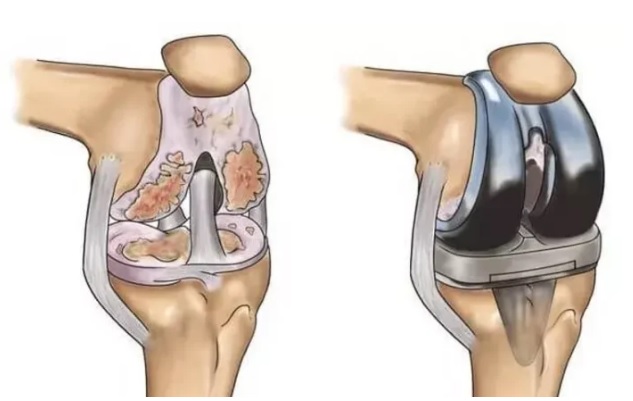
Joint replacement is a planned medical procedure that requires careful preparation before the operation itself. The pre-surgery evaluation phase allows doctors to assess whether a patient is medically ready, understand individual risk factors and plan the procedure safely. This stage is not only about medical tests. It also focuses on preparing patients physically and mentally for what lies ahead.
For individuals considering joint replacement surgery in India, the pre-surgical phase plays a key role in ensuring safety and long-term success. A structured evaluation helps confirm that surgery is appropriate, reduces the likelihood of complications and supports a smoother recovery. Patients who understand this process are better equipped to make informed decisions and approach surgery with confidence.
Why Pre-Surgery Evaluation is Necessary
Pre-surgery evaluation helps confirm whether joint replacement is the right treatment option. Joint pain may result from arthritis, injury or age-related wear, but surgery is advised only when symptoms significantly affect daily life and non-surgical treatments no longer provide relief.
This assessment also identifies health conditions that could influence surgical outcomes. Early detection allows doctors to manage these conditions in advance, lowering the risk of complications during surgery and recovery.
Review of Medical History
A thorough review of medical history forms the foundation of pre-surgical planning. Doctors ask about chronic conditions such as diabetes, high blood pressure, heart disease, or respiratory problems. These conditions may affect healing, response to anaesthesia and overall recovery.
Patients are also asked about previous surgeries, allergies and reactions to medicines. Accurate information helps the care team plan appropriate monitoring and preventive steps throughout the surgical process.
Physical Assessment of Joint Function
The physical examination focuses on understanding how the affected joint limits movement and daily activity. Doctors assess range of motion, muscle strength, joint stability and walking pattern. This evaluation helps determine the severity of joint damage and its impact on quality of life.
The findings also help set realistic expectations. Patients gain clarity on what improvements are likely after surgery and what limitations may remain during recovery.
Imaging and Diagnostic Investigations
Diagnostic tests support clinical assessment and confirm the need for joint replacement. X-rays show the extent of joint damage, bone alignment and cartilage loss. In some cases, additional imaging may be advised to assess surrounding structures.
Blood tests are an essential part of this stage. They check haemoglobin levels, blood sugar control, kidney function and signs of infection. Addressing abnormal results before surgery improves safety and supports better outcomes.
Assessment for Anaesthesia Fitness
Anaesthesia assessment ensures the patient can safely undergo the planned procedure. The anaesthetist reviews medical history, test results and current health status to determine the most suitable approach.
This discussion also allows patients to share previous experiences or concerns related to anaesthesia. Clear communication at this stage helps reduce anxiety and prepares patients for the surgical process.
Medication Review and Adjustments
Medication management is an important part of pre-surgery evaluation. Doctors review all medicines, including prescriptions, supplements and over-the-counter (OTC) products, to prevent unwanted interactions or complications.
During this stage, the care team focuses on a few key areas.
- Identifying medicines that may increase bleeding risk
- Adjusting drugs that affect blood sugar or blood pressure
- Providing clear timelines for stopping or continuing medicines
These steps help ensure that medication use does not interfere with surgical safety or recovery. Patients are encouraged to follow instructions carefully and ask questions if clarification is needed.
Screening for Infection Risks
Preventing infection is important before joint replacement. Even minor infections elsewhere in the body can increase post-surgical risk if left untreated.
Doctors typically assess the following areas during infection screening.
- Dental health and gum infections
- Skin conditions or open wounds
- Urinary or respiratory infections
Addressing these issues before surgery reduces the risk of infection affecting the replaced joint. Patients may also receive guidance on hygiene practices to follow before hospital admission.
Preparing The Body For Recovery
Physical readiness plays a key role in post-surgical recovery. Pre-surgery evaluation includes guidance on strengthening the body and planning for early movement after surgery.
Preparation usually focuses on the following aspects:
- Simple exercises to strengthen muscles around the joint
- Assessment of mobility and balance
- Planning for walking aids and home support
This preparation helps patients regain movement more smoothly after surgery and reduces dependence during early recovery.
Emotional Readiness and Informed Decision-Making
Joint replacement can affect emotional wellbeing, especially for individuals who have lived with long-term pain or limited mobility. Pre-surgical discussions provide space to address concerns related to recovery, independence and daily routines.
Doctors explain potential benefits, risks and expected outcomes in clear terms. This ensures that consent is based on understanding rather than uncertainty, allowing patients to proceed with confidence.
Conclusion
Pre-surgery evaluation is an important step in joint replacement care. It confirms medical readiness, identifies risks early and prepares patients for surgery and recovery. For those considering joint replacement surgery in India, understanding this process supports informed decision-making and realistic expectations. A thorough evaluation helps ensure that joint replacement is approached with clarity, safety and a focus on long-term wellbeing.