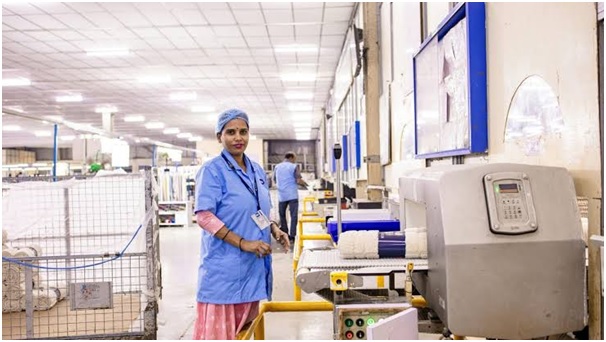
India is the world’s fifth-largest economy and a manufacturing powerhouse across textiles, pharmaceuticals, auto components, leather goods, and engineering products. Yet factory audits in India remain one of the most misunderstood and poorly executed parts of the sourcing process for international buyers.
The problem isn’t with the factories — it’s with how buyers and their audit partners approach the process. A proper Factory Audit India goes well beyond a compliance checklist; it gives you a realistic picture of whether a supplier can actually deliver.
The ‘Tick-Box’ Audit Problem
A significant number of factory audits conducted in India are compliance-driven rather than performance-driven. That means auditors arrive with a standardised checklist, tick the boxes, and leave. The result is a document that tells you a factory has a fire exit and a payroll register — but nothing about whether it can deliver your order on time, at spec, and consistently.
India’s manufacturing landscape is diverse. A garment factory in Tirupur operates very differently from a leather goods unit in Kanpur or a toy manufacturer in Delhi NCR. Blanket audit templates miss this nuance completely.
What a Useful Factory Audit in India Should Cover
| Audit Area | Key Questions to Answer |
| Production Capacity | Is rated capacity realistic? What is current utilisation? |
| Quality Management | Is there an in-house QC team? Do they use AQL sampling? |
| Sub-contracting | Does the factory sub-contract? To whom, and with what controls? |
| Worker Welfare | Are working hours within legal limits? Any forced or child labour risk? |
| Documentation | Are certifications current? Are quality records maintained properly? |
| Infrastructure | Power backup, machinery age, raw material storage conditions |
The Sub-Contracting Blind Spot
In India’s garment and handicraft sectors, sub-contracting is extremely common. A factory might show you a spotless facility but outsource 40% of your order to home-based workers or smaller units with no quality controls in place. Audits that don’t probe this systematically give buyers a false sense of security.
A thorough audit will request production planning documents, cross-check them against worker capacity, and look for inconsistencies that signal outsourced work. Experienced auditors know exactly what to look for.
Social Compliance Is Growing in Importance
European buyers are now subject to the EU Corporate Sustainability Due Diligence Directive (CSDDD), which requires companies to identify and address adverse human rights and environmental impacts in their supply chains. For buyers sourcing from India, this means supplier audits need to go beyond product quality and actively assess labour conditions.
Common compliance gaps found in Indian factory audits include excessive overtime (particularly during peak seasons), informal employment arrangements, and inadequate safety equipment in smaller units.
Frequency and Follow-Through
Many buyers conduct an audit once during supplier onboarding and then assume the factory hasn’t changed. In reality, management turnover, rapid order growth, or financial pressure can degrade a factory’s performance within a single year. Annual audits — or semi-annual for high-volume suppliers — are increasingly considered minimum practice.
An audit is only as useful as the corrective action that follows. Sharing the report with your supplier and setting a timeline for addressing findings turns audit data into actual improvement. For a broader picture of how structured Quality Control in India programmes handle this feedback loop — from audit through corrective action to ongoing monitoring — the approach is the same regardless of sector: consistent, documented, and followed through.