Choosing the right sprinkler system is essential for achieving efficient water distribution and consistent irrigation performance. Whether the project involves agriculture, landscaping, horticulture, or another application, the quality and suitability of the sprinkler equipment can have a direct impact on water usage and system reliability.
Before making a decision, it is important to evaluate the products, specifications, materials, and support provided by a Sprinkler Manufacturer. A careful assessment can help you select equipment that matches your project’s water requirements, operating conditions, and long-term objectives.
Understand Your Project Requirements
Every irrigation project has different requirements. The sprinkler selected for a large agricultural field may not be suitable for a small landscaped area or a specialized growing environment.
Start by identifying the size of the area, water availability, crop or plant requirements, soil type, and expected irrigation frequency. These factors provide a useful foundation for comparing different sprinkler options.
Check Flow Rate and Operating Pressure
Flow rate and operating pressure are two of the most important technical specifications to consider. A sprinkler needs to operate within the pressure range supported by the irrigation system to deliver its intended coverage.
If the pressure is too low, the sprinkler may not distribute water evenly. Excessive pressure can also cause inefficient spraying, increased water consumption, or unnecessary stress on components.
Evaluate Coverage and Distribution Pattern
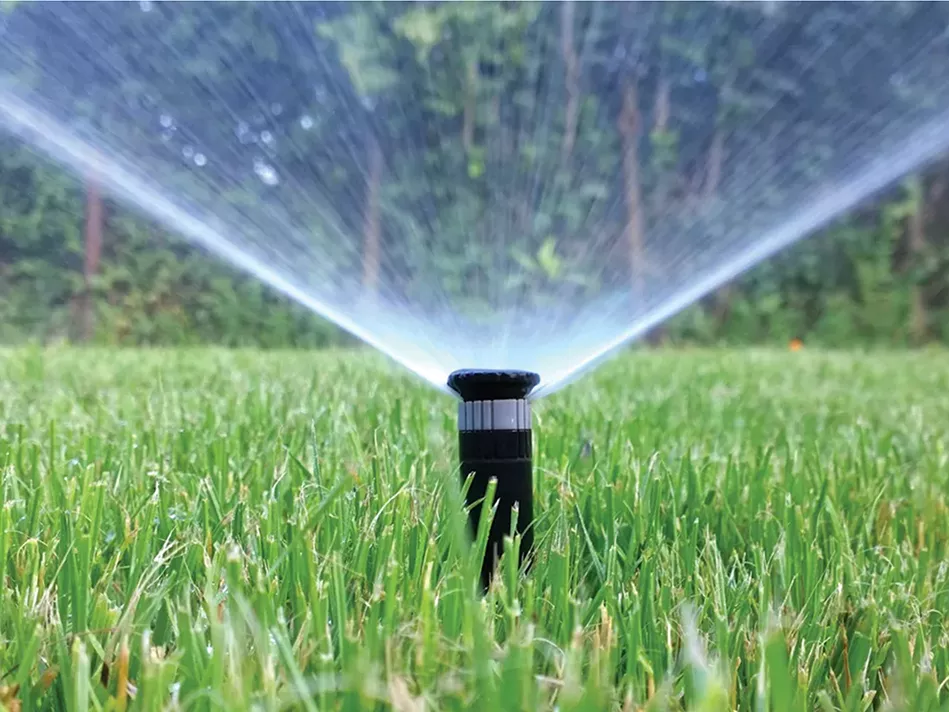
Sprinklers are available with different spray patterns and coverage characteristics. The appropriate choice depends on the shape and layout of the area being irrigated.
Uniform distribution should be a priority. A sprinkler that provides consistent coverage can help prevent both overwatering and dry areas, improving the overall efficiency of the irrigation system.
Consider Material and Durability
Outdoor irrigation equipment can be exposed to sunlight, moisture, soil, fertilizers, and changing temperatures. The construction material therefore plays an important role in determining durability.
When comparing products, consider whether the materials are suitable for the environmental conditions in which the sprinklers will be installed. Durable construction can reduce replacement needs and help maintain reliable performance over time.
Look at Product Range and Compatibility
A manufacturer with different sprinkler configurations can provide more flexibility when designing an irrigation system. Different areas may require different flow rates, spray distances, or installation arrangements.
Compatibility with existing pipes, fittings, pumps, and other irrigation components should also be checked. Proper compatibility helps prevent pressure problems and ensures that the system operates as intended.
Consider Water Efficiency
Efficient irrigation is about distributing water where it is needed while minimizing waste. Sprinklers with suitable application rates and uniform distribution can contribute to better water management.
Consider the sprinkler’s spray radius, flow rate, operating pressure, and application pattern together rather than evaluating any single specification in isolation.
Review Quality and Manufacturing Standards
Consistent manufacturing quality can affect sprinkler performance and service life. Small variations in components can sometimes lead to differences in flow, spray pattern, or connection quality.
It is useful to review available technical specifications and quality information before selecting a product. Clear documentation can also make it easier to compare different options objectively.
Assess Maintenance Requirements
Maintenance should be considered before purchasing irrigation equipment. Sprinklers may need periodic cleaning, inspection, adjustment, or replacement of individual components.
Projects using water containing sediment or other particles may require more frequent maintenance. Choosing equipment that is straightforward to inspect and maintain can reduce long-term operating difficulties.
Compare Long-Term Costs
The initial purchase price is only one part of the overall cost. A cheaper sprinkler may become more expensive if it requires frequent replacement, consumes more water, or needs extensive maintenance.
Instead, consider the total cost of ownership. Durability, water efficiency, maintenance requirements, expected service life, and replacement costs can all influence the actual value of the equipment.
Check Technical Support
Technical assistance can be helpful when planning, installing, or maintaining a sprinkler system. Clear product documentation can also make installation and troubleshooting easier.
For larger or more complex projects, access to useful technical information can help ensure that the selected sprinklers are correctly matched with system pressure, spacing, and water requirements.
Make a Practical Comparison
Before making the final decision, compare potential options according to the specific needs of the project. Important factors include:
- Flow rate and pressure requirements
- Spray radius and distribution pattern
- Construction materials
- System compatibility
- Water efficiency
- Maintenance requirements
- Expected service life
- Technical documentation and support
- Overall operating cost
Taking these factors into account can help avoid selecting equipment based solely on price or a single technical feature.
Final Thoughts
Choosing the right sprinkler manufacturer requires careful consideration of both product performance and project requirements. Flow rate, pressure, coverage, materials, compatibility, maintenance, and long-term costs all play a role in determining whether a sprinkler is suitable.
By comparing these factors before making a decision, irrigation professionals and project owners can select equipment that supports reliable water distribution and efficient system operation. A well-planned sprinkler system can improve water management while providing consistent performance over the long term.