Running a business involves more than managing sales, customers, and daily operations. You also need to hire the right people, manage employee records, track attendance, process salaries, and keep employees engaged. When these tasks rely on spreadsheets and paperwork, HR teams may spend more time on administration than on people.
This is where HRM Software can help. It brings essential human resource activities together in one system, helping businesses reduce manual work, organise employee information, and improve everyday HR processes.
Whether you run a small business or manage a growing team, the right HR solution can make workforce management easier. Let’s explore how it can make a real difference to your business.
What is HRM Software?
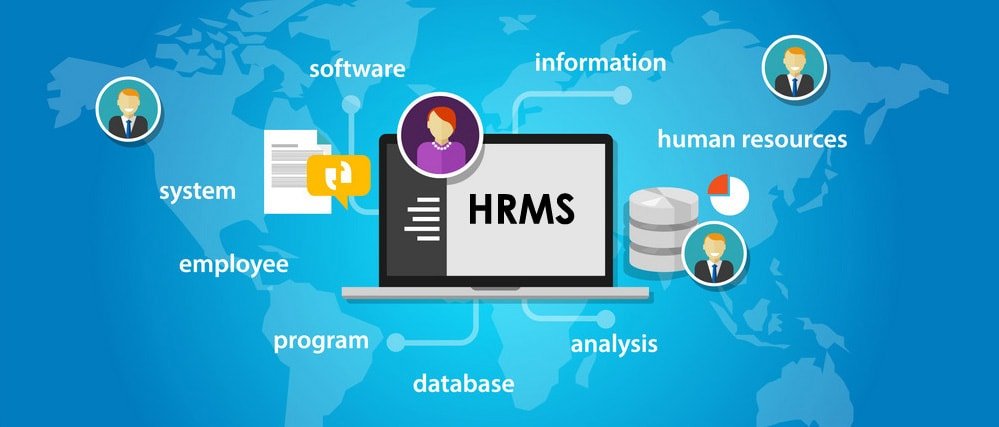
HRM Software, or Human Resource Management Software, is a digital tool that helps businesses manage employee information and HR activities from one place. It supports tasks such as recruitment, onboarding, attendance tracking, leave management, payroll, and performance reviews.
Instead of handling these activities through separate files and manual processes, HR teams can use one platform to organise information and complete routine tasks more efficiently.
For example, when an employee applies for leave, the system can record the request and send it to the manager for approval. Approved leave records can then support attendance tracking and payroll calculations, depending on the system’s features and configuration.
What Is the Difference Between HRMS, HRI, and HCM Software?
HRMS, HRI, and HCM are terms used in human resource management. While they are related, each focuses on a different aspect of managing employees. Their exact meaning and features can vary between software providers.
| Aspect | HRMS | HRI | HCM |
| Full form | Human Resource Management System | Human Resource Information | Human Capital Management |
| Main focus | Managing daily HR operations | Organising and accessing employee information | Managing the employee lifecycle and workforce development |
| Common activities | Attendance, leave, payroll, and employee records | Employee data, job details, and HR information | Recruitment, onboarding, performance, learning, and workforce planning |
| Primary purpose | Simplify routine HR tasks | Maintain and provide access to employee information | Support employee growth and strategic workforce planning |
HRMS (Human Resource Management System) helps businesses manage daily HR processes, such as attendance tracking, leave management, payroll, and employee records.
HRI (Human Resource Information) generally refers to human resource information rather than a widely standardised software category. It can describe employee data and HR information used for recordkeeping and reporting. The term HRIS (Human Resource Information System) is more commonly used for software that manages this information.
HCM (Human Capital Management) takes a broader approach to managing employees. Along with core HR activities, it can cover recruitment, performance management, learning and development, and workforce planning.
Read also: Best Contract Labour Management Software in India
5 Ways HRM Software Can Work Miracles for Your Business
The right HR solution can do more than store employee records. It can help your team save time, improve accuracy, and create a better employee experience.
1. Say Goodbye to Repetitive HR Tasks
HR teams often spend hours updating employee records, checking attendance sheets, approving leave requests, and preparing documents. Repeating these tasks every day leaves less time for employee support and business planning.
HRM Software can automate many routine activities, depending on the features available. This helps reduce manual effort and gives HR professionals more time to focus on important responsibilities.
Here is how it can help:
- Automate routine HR workflows and approval requests.
- Store employee information in an organised system.
- Reduce repeated data entry across HR activities.
- Generate common HR reports with less manual work.
When routine tasks become easier to manage, your HR team can focus more on people and less on paperwork.
2. Make Payroll Processing Easier
The process of salary payment depends on having correct employee information, attendance data, leave records, defined salary plans and mandatory deduction rules. The manual handling of these details leads to two main problems which include wrong calculations and slow payment delivery.
HR systems with appropriate Payroll Software allow organizations to link their employee data and attendance information directly with their payroll system. The system reduces duplicate data input which enables HR staff to create salary payments with increased operational efficiency.
The system unites all HR functions into one platform which helps organizations to maintain uniform employee data. The process of payroll requires HR staff to verify salary computations with required legal deductions before they can accomplish their payroll payment tasks.
3. Keep Employee Records Organised
Employee data exists in various locations because organizations maintain this information through spreadsheets, emails, physical documents and different software applications. People face challenges when they need to find specific documents or check employee information because their records lack proper organization.
HRM Software operates as a single platform that allows businesses to store employee data through the system’s built-in functionality. HR teams need to handle employee information which includes contact details, job positions, start dates, salary information and all required employment paperwork.
This can help businesses:
- Businesses will be able to find employee details at a faster rate.
- Organizations need to keep their records updated and let them stay consistent at all times.
- Organizations need to set up permission systems that will control their protected data access.
The system unites various HR tasks into one platform which provides managers with information access based on their assigned security levels.
4. Improve Attendance and Leave Management
Organizations need to find solutions for tracking attendance and approving leave because their business operations increase in size. The use of manual registers and spreadsheets creates potential problems including missing data, incorrect calculations, and difficulties in identifying authorized vacation time.
HRM Software enables businesses to track employee attendance while handling their leave requests and storing their work schedule details. The system provides shift planning capabilities together with biometric support and mobile attendance tracking based on its available features.
Here are some ways it can help:
- Enables users to track employee presence and total time spent at work.
- Helps users handle leave requests while following the proper approval process. The system enables users to monitor their remaining vacation days and scheduled holidays.
- Gathers attendance data which helps businesses calculate employee wages
5. Make Recruitment and Onboarding More Efficient
Hiring the right employees takes time. HR teams need to review applications, coordinate interviews, communicate with candidates, prepare offer letters, and complete joining formalities.
HRM Software with recruitment and onboarding features can help organise these activities in one place. Teams can track candidate progress, manage recruitment records, and prepare for new employees before their joining date.
A structured onboarding process can also help new hires understand company policies, complete documentation, and become familiar with their roles.
For growing businesses, these features can help create a more consistent hiring experience. They also allow HR teams to keep track of recruitment activities instead of managing every step through separate emails and files.
How to Choose the Right HRM Software
Not every business has the same HR needs. Before selecting a solution, consider your current processes, team size, budget, and plans for growth.
Use this checklist to compare your options:
- Essential features: Check whether the system supports your needs, such as attendance, leave, employee records, and payroll.
- Ease of use: Choose a platform that HR teams, managers, and employees can learn without unnecessary complexity.
- Integration options: Check whether it connects with your existing tools and systems.
- Data security: Review user permissions, access controls, and available security measures.
- Reporting: Confirm that the system provides useful reports for your business.
- Pricing and support: Understand subscription costs, implementation charges, and available customer support.
- Scalability: Make sure the software can support your business as your workforce grows.
Request a demo before making a decision. It allows your team to test important workflows and ask questions about features, setup, and support.
Conclusion:
Managing people is one of the most important responsibilities in any business. When HR tasks become difficult to handle manually, they can take time away from employee development and business priorities.
HRM Software can help simplify routine work, organise employee records, support payroll processing, improve attendance management, and provide useful workforce insights. The results depend on choosing the right system and setting it up to match your business processes.
Ready to make HR management easier?
Book a free demo with Savvy HRMS to explore its features and find out how it can support your organisation’s HR needs.