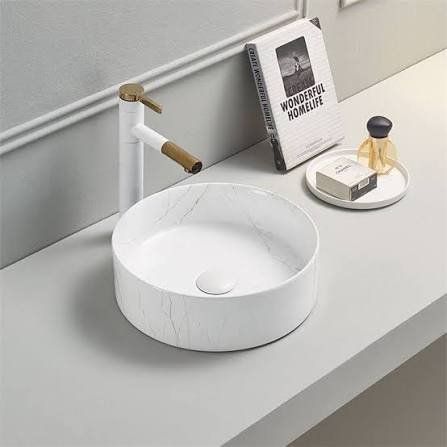
Modern bathroom products are developed through a combination of material selection, product design, fabrication, finishing, and quality inspection. Each manufacturing stage influences the appearance, dimensions, functionality, and overall consistency of the finished product. As customer expectations continue to evolve, manufacturers are placing greater emphasis on production accuracy, material performance, and efficient manufacturing methods.
Solid surface bathroom products, including washbasins, countertops, and other interior components, require specialized processes to achieve their intended shapes and finishes. Understanding these processes helps buyers, architects, and construction professionals evaluate product quality and make informed purchasing decisions. KingKonree operates in the solid surface and bathroom products industry, where manufacturing methods play an important role in developing products for residential and commercial applications.
1. Product Research and Design Development
Manufacturing begins before raw materials enter the production area. Product developers first identify market requirements, design preferences, and practical applications.
The design stage establishes the basic characteristics of the product and provides the information needed for production planning.
Understanding Customer Requirements
Manufacturers consider several factors when developing new bathroom products:
- Intended residential or commercial application.
- Required product dimensions.
- Preferred shapes and surface finishes.
- Installation conditions.
- Functional requirements.
- Expected maintenance needs.
These considerations help define the product’s purpose and guide the development process.
Creating Product Designs
Designers develop product concepts based on appearance, dimensions, and functionality.
Computer-aided design (CAD) software can help create detailed models that allow manufacturers to review proportions, measurements, and structural features before production begins.
Preparing Technical Drawings
Technical drawings communicate essential product information to manufacturing teams.
They may include measurements, component details, tolerances, and other specifications required for fabrication and inspection.
2. Raw Material Selection and Preparation
Material selection has a direct influence on the characteristics of finished bathroom products.
Solid surface materials are used in various applications, including countertops, washbasins, and decorative interior components. Their composition can vary depending on the formulation and intended application.
Evaluating Material Quality
Before production, manufacturers need to check whether incoming materials meet the required specifications.
Depending on the material, evaluation may involve checking identification, appearance, dimensions, and relevant supplier documentation.
Understanding Material Composition
Solid surface formulations may contain different combinations of mineral fillers, resins, pigments, and other components.
The exact composition determines important material characteristics and should be confirmed through product-specific technical information.
Preparing Materials for Production
Materials must be prepared according to the selected manufacturing method.
This may involve measuring, mixing, conditioning, or organizing components to support consistent production.
3. Molding and Forming Processes
Molding and forming are important manufacturing stages for products that require specific shapes and dimensions.
The selected process depends on the product design, material formulation, and production requirements.
Preparing Molds
Manufacturers prepare molds according to approved product drawings.
Mold dimensions and surface conditions influence the shape and appearance of the resulting component.
Forming Product Shapes
Suitable forming methods are used to create the required product structure.
For certain solid surface products, casting-based processes may be used, depending on the material formulation and manufacturing specifications.
Monitoring Production Conditions
Production conditions need to remain within the appropriate technical parameters.
Manufacturers may monitor factors such as mixing procedures, processing conditions, and curing requirements to support product consistency.
4. Cutting and Fabrication
After the initial forming stage, certain components may require additional cutting and fabrication to achieve their final dimensions.
Precision is particularly important when products must fit specific bathroom layouts or coordinate with other fixtures.
Accurate Cutting
Cutting equipment is used to prepare components according to approved measurements.
Digital cutting systems and carefully planned production layouts can help improve accuracy and reduce unnecessary material waste.
Shaping and Edge Processing
Some products require additional shaping to achieve rounded edges, defined profiles, or customized forms.
These operations help prepare components for assembly and finishing.
Creating Functional Openings
Depending on the product, fabrication may involve preparing openings for taps, drainage connections, or other fittings.
These details must correspond with the approved design and installation requirements.
5. Assembly and Product Integration
Some bathroom products consist of multiple components that must be joined or assembled.
The assembly method depends on product construction, material properties, and design requirements.
Component Alignment
Manufacturing teams check that individual components match the intended dimensions and positions.
Accurate alignment helps maintain the product’s appearance and supports proper installation.
Joining and Bonding
Where a product design requires multiple components to be connected, suitable joining or bonding methods may be used.
The method must be compatible with the material and follow the relevant manufacturing specifications.
Structural and Functional Checks
Assembled products should be checked for visible defects and construction issues.
The inspection process may also evaluate whether components are positioned correctly and meet the required specifications.
6. Surface Finishing and Polishing
Surface finishing has a significant influence on the final appearance of bathroom products.
Depending on the material and design, finishing may involve sanding, smoothing, polishing, or other surface treatments.
Sanding and Smoothing
Sanding helps refine the surface and address imperfections left by earlier manufacturing operations.
The selected technique and abrasive materials depend on the product’s composition and desired finish.
Achieving the Required Appearance
Different bathroom products may require different surface appearances.
Some designs use smooth, understated finishes, while others may incorporate distinctive textures or visual effects.
Final Surface Inspection
Finished surfaces should be inspected for consistency, visible scratches, uneven areas, and other defects.
Manufacturers can compare completed products with approved samples and documented quality requirements.
7. Quality Control at Different Manufacturing Stages
Quality control is not limited to the final production stage. It involves checking materials, manufacturing operations, and finished products throughout the process.
A structured inspection system helps identify problems before they affect larger production quantities.
Raw Material Inspection
Incoming materials should be evaluated against approved specifications.
This helps prevent unsuitable materials from entering the production process.
Dimensional Inspection
Measurements are compared with technical drawings to verify that products meet the required dimensions.
Accurate dimensions are important for compatibility with vanities, countertops, plumbing, and surrounding structures.
Surface Quality Inspection
Inspection teams review the finished appearance for visible defects and inconsistencies.
The criteria should be established according to the product type and agreed quality standards.
Final Product Verification
Before packaging, products may undergo a final review covering appearance, dimensions, construction, and other relevant requirements.
Documenting inspection results supports quality management and helps manufacturers investigate potential issues.
8. Customization and Specialized Manufacturing
Different bathroom projects may require products that are not available in standard configurations.
Customization allows manufacturers to adapt product dimensions, shapes, and finishes to specific design requirements.
Customized Dimensions
Hotels, residential developments, and commercial buildings may have unique layouts.
Customized washbasins and countertops can be developed according to approved measurements and technical drawings.
Color and Finish Variations
Interior designers often select finishes according to the surrounding tiles, cabinetry, flooring, and lighting.
Manufacturers may offer different options depending on their available materials and production capabilities.
Project-Based Manufacturing
Large projects may require several related products with consistent specifications.
Clear drawings, approved samples, and documented requirements help production teams maintain consistency across multiple orders.
9. Packaging and Preparation for Transportation
Packaging is an important final stage because bathroom products may be transported over long distances before installation.
Products should be protected according to their shape, material, dimensions, and handling requirements.
Protective Packaging Materials
Suitable protective materials can help reduce scratches, impact damage, and other transportation-related problems.
Packaging methods should provide adequate protection without unnecessary material use.
Product Identification
Labels and product records can help identify product types, quantities, specifications, and destination information.
Accurate identification is particularly useful for large commercial orders.
Preparing for Shipment
Before dispatch, manufacturers and logistics teams should confirm the order details and delivery arrangements.
Buyers should also have clear information about shipment handling and receiving procedures.
10. The Role of Technology in Modern Bathroom Manufacturing
Technology continues to influence how bathroom products are designed and manufactured.
Digital systems and modern equipment can help improve production accuracy, planning, and quality management.
Computer-Aided Manufacturing
Computer-aided manufacturing systems can translate approved designs into production instructions.
This helps connect product development with fabrication operations.
Automated Production Equipment
Automation may improve repeatability in suitable manufacturing processes.
It can also help reduce certain manual errors and support more consistent production schedules.
Digital Quality Records
Digital inspection records allow manufacturers to organize product measurements, quality checks, and production information.
These records can make it easier to identify recurring problems and evaluate manufacturing performance.
11. Sustainability in the Manufacturing Process
Sustainable manufacturing involves evaluating how resources are used throughout production.
Material efficiency, waste management, energy consumption, and packaging are all relevant considerations.
Reducing Material Waste
Accurate cutting plans and careful production scheduling can reduce unnecessary material losses.
Suitable offcuts may also be reused where their composition, dimensions, and quality allow.
Improving Energy Efficiency
Manufacturers can review equipment performance and production schedules to identify opportunities to reduce energy consumption.
Regular equipment maintenance can also support efficient operations.
Managing Production Waste
Waste materials should be separated and handled according to their composition and applicable local requirements.
Where appropriate recycling options exist, manufacturers can evaluate whether these are technically and economically suitable.
Considering Product Longevity
Products designed for their intended applications and maintained according to manufacturer instructions may remain usable for longer periods.
Longer product life can help reduce the frequency of replacement, although actual performance depends on material quality, installation, and usage conditions.
12. Why Understanding Manufacturing Matters to Buyers
Knowledge of the manufacturing process helps buyers evaluate bathroom products more effectively.
Instead of focusing only on appearance and price, customers can ask questions about how products are made and inspected.
Before purchasing, consider the following:
- Material information: Request details about composition and technical characteristics.
- Manufacturing methods: Understand the main production processes used for the product.
- Quality control: Ask how dimensions and surface finishes are inspected.
- Customization: Confirm whether specific project requirements can be accommodated.
- Installation details: Review technical drawings and fitting instructions.
- Maintenance guidance: Check recommended cleaning and care procedures.
- Packaging: Understand how products are protected during transportation.
These questions provide a clearer picture of product quality and supplier capabilities.
Conclusion
The manufacturing process behind modern bathroom products involves several connected stages, from initial design and material preparation to fabrication, finishing, inspection, and packaging. Each stage contributes to the final product’s dimensions, appearance, functionality, and consistency.
For manufacturers operating in the solid surface and bathroom products industry, including KingKonree, effective production management requires attention to material characteristics, accurate fabrication, quality control, and changing customer expectations. Understanding these processes helps buyers make better purchasing decisions and select bathroom products that suit their design concepts, installation requirements, and intended applications.