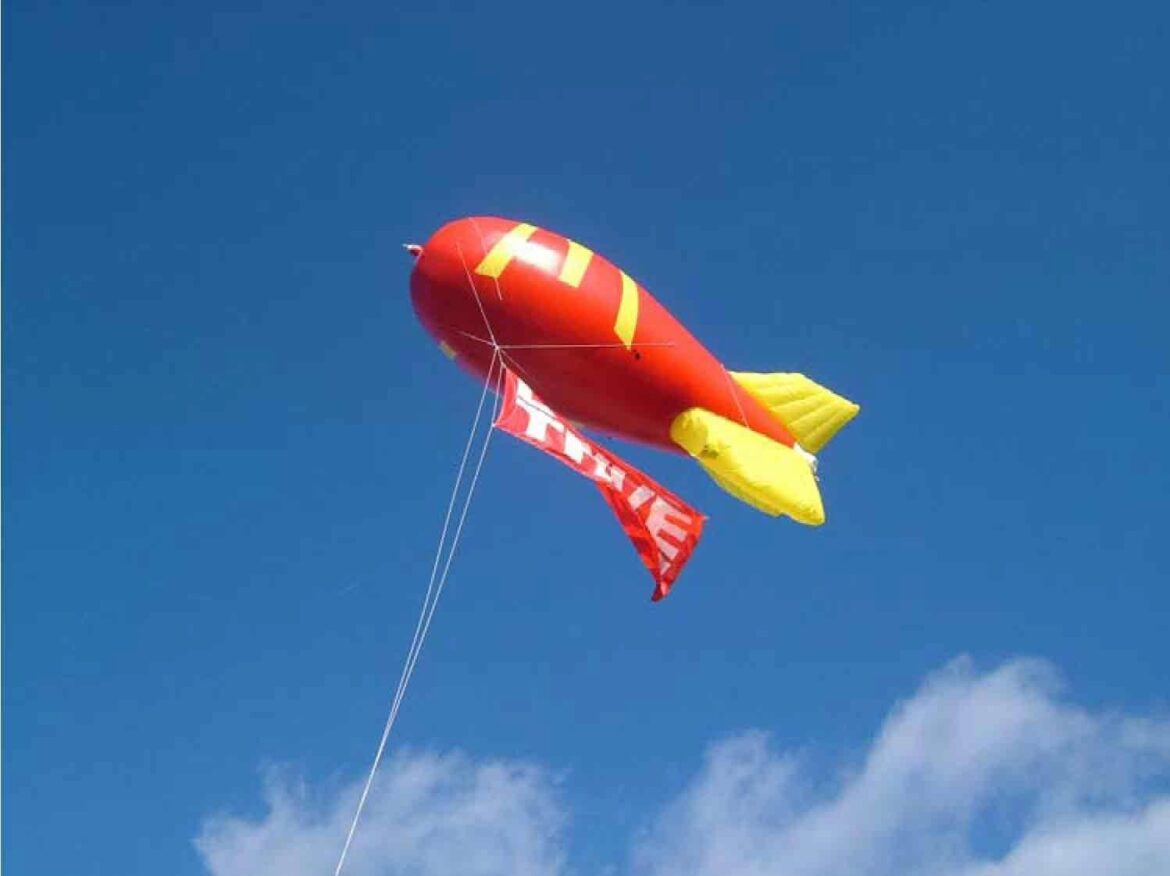
Inflatable advertising delivers standout visibility, but its success depends heavily on weather awareness. From wind exposure to rainfall and temperature shifts, outdoor conditions can affect stability, appearance, and safety. Understanding how weather interacts with inflatable advertising helps businesses plan smarter campaigns and protect both branding impact and equipment investment.
Introduction
Outdoor marketing thrives on visibility, movement, and scale. Inflatable advertising brings all three together, making it a popular choice for events, retail promotions, exhibitions, and roadside campaigns. However, unlike static signage, inflatables interact directly with their environment. Weather conditions play a decisive role in how effectively an inflatable performs, how long it lasts, and how safely it can be displayed.
Ignoring weather factors can compromise performance or even cut campaigns short. By planning with climate and conditions in mind, businesses can maximise impact, protect assets, and maintain a professional brand presence throughout the display period.
How Weather Affects Inflatable Advertising
Inflatable advertising is designed to attract attention in open spaces, which also means direct exposure to wind, rain, sunlight, and temperature changes. Each of these elements can influence structural stability, surface appearance, and operational reliability.
Weather-aware planning reduces risk. It helps ensure inflatables remain upright, visually strong, and compliant with safety expectations. More importantly, it allows campaigns to continue without disruption, even when conditions are less than ideal.
Wind Conditions and Stability
Wind is the most critical factor affecting inflatable advertising. Even moderate gusts can place stress on seams, anchor points, and internal pressure if not properly managed.
Effective wind planning involves selecting appropriate anchoring systems, positioning inflatables away from wind tunnels, and respecting manufacturer wind-speed limits. Monitoring forecasts before setup and throughout the campaign allows operators to respond proactively rather than reactively.
Rainfall and Moisture Exposure
Rain does not automatically rule out inflatable advertising, but it does require preparation. Water accumulation can add weight, affect fabric tension, and increase strain on anchor points.
High-quality inflatable materials are typically water-resistant, but proper drainage, secure seams, and electrical protection for blowers are essential. Scheduling regular checks during wet conditions helps maintain appearance and performance without interruption.
Temperature Variations and Air Pressure
Temperature changes influence internal air pressure. Warm air expands, while cold air contracts, which can affect shape and firmness. Sudden temperature drops may cause inflatables to lose definition, while heat can increase internal pressure beyond optimal levels.
Adjusting blower settings and monitoring firmness throughout the day ensures inflatable advertising maintains its intended form and visual impact, regardless of temperature shifts.
Sun Exposure and UV Protection
Extended exposure to sunlight can gradually affect colour vibrancy and fabric durability. UV radiation may cause fading over time if materials are not treated or selected appropriately.
Choosing UV-resistant fabrics and rotating display positions where possible helps preserve branding quality. Planning campaign duration around peak sunlight hours can also reduce long-term wear without reducing visibility.
Seasonal Weather Considerations
Different seasons bring different challenges. Spring and autumn often introduce variable wind and rain, summer increases heat exposure, and winter presents colder temperatures and moisture concerns.
Aligning inflatable advertising strategies with seasonal patterns allows for smarter placement, better material selection, and more accurate scheduling. Seasonal planning also helps avoid unexpected downtime.
Site Selection and Environmental Awareness
Weather impact is amplified or reduced depending on location. Open fields, coastal areas, and elevated sites experience stronger winds, while urban environments may channel airflow unpredictably.
Evaluating surroundings before installation supports safer positioning and improved performance. Sheltered areas often provide a balance between visibility and protection, particularly for longer-term displays.
Safety and Compliance in Changing Conditions
Safety remains central to any inflatable advertising campaign. Weather-related risks must be assessed continuously to ensure public safety and compliance with local guidelines.
Clear procedures for deflation during adverse conditions, regular inspections, and trained setup teams all contribute to responsible use. Preparedness protects both the audience and the brand reputation behind the display.
Maintenance and Monitoring During Campaigns
Weather conditions change quickly. Regular monitoring ensures small issues do not escalate into major disruptions. Checking anchor tension, fabric condition, and air pressure during operation supports consistent performance.
Scheduled inspections also extend the lifespan of inflatable advertising by preventing avoidable damage caused by prolonged exposure to unfavourable conditions.
Planning Ahead for Reliable Performance
Successful inflatable advertising campaigns are built on preparation. Reviewing historical weather patterns, setting contingency plans, and allowing flexibility in scheduling all contribute to smoother execution.
By treating weather as a planning factor rather than an obstacle, businesses can maintain visibility and professionalism across a wide range of outdoor conditions.
Frequently Asked Questions
Q1: How much wind is too much for inflatable advertising?
Inflatable advertising is designed to handle light to moderate wind, but safe limits vary by size and structure. Strong gusts can place excessive strain on anchor points and seams. Checking forecasts, respecting manufacturer wind ratings, and adjusting or deflating displays when conditions worsen helps maintain safety and performance.
Q2: Can inflatable advertising be used safely in the rain?
Inflatable advertising can operate in wet conditions when constructed from water-resistant materials. Effective drainage, sealed stitching, and protected blower units are essential. Routine inspections during rainfall help ensure the structure remains stable, visually consistent, and safe for continued use.
Q3 Do temperature changes affect inflatable advertising performance?
Temperature changes directly affect internal air pressure. Cooler conditions may reduce firmness, while warmer air increases internal expansion. Monitoring pressure and airflow allows inflatable advertising to maintain shape and structural integrity across varying daytime and nighttime temperatures.
Q4: How does sunlight impact long-term inflatable advertising use?
Extended sunlight exposure can gradually affect fabric strength and colour intensity. UV-resistant materials slow this process, while thoughtful positioning limits constant exposure. Managing display duration helps preserve appearance and extends the usable lifespan of inflatable advertising.
Q5: Should inflatable advertising be removed during extreme weather?
Yes, extreme weather such as storms or high winds requires deflation as a safety measure. Having a clear removal and storage plan prevents damage, reduces risk to the public, and ensures inflatable advertising remains compliant with outdoor safety expectations.
Closing Remarks
Weather awareness is not optional when using inflatable advertising. Wind, rain, temperature, and sunlight all influence stability, appearance, and safety. Planning around these factors protects equipment, supports compliance, and ensures campaigns remain effective from setup to takedown.
By choosing suitable locations, monitoring conditions closely, and preparing for seasonal variations, businesses can confidently use inflatable advertising as a reliable outdoor marketing solution. Thoughtful weather planning safeguards investment while maintaining consistent brand impact, even in unpredictable outdoor environments.