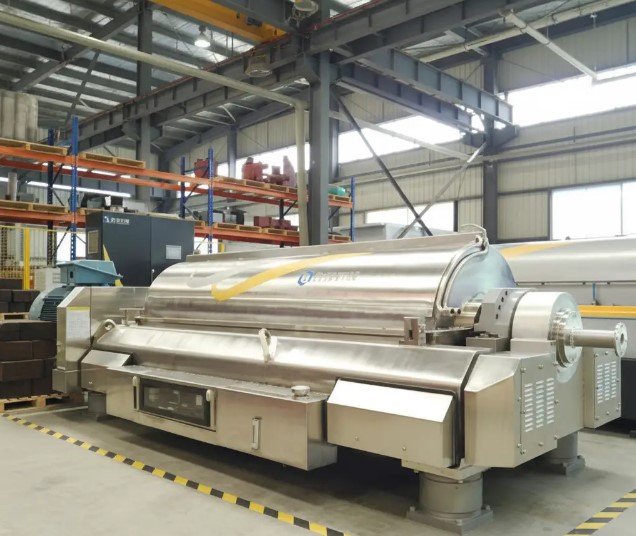
Many industries need reliable methods to separate solids from liquids during production or waste treatment. Decanter centrifuges provide continuous mechanical separation and handle large volumes with relatively consistent performance. Their applications range from wastewater treatment to food processing and industrial manufacturing.
Companies often work with a decanter centrifuge manufacturer when they need equipment designed around specific process requirements. The right centrifuge can help remove suspended solids, recover useful materials, reduce sludge volume, and improve downstream processing efficiency.
Wastewater Treatment
Wastewater treatment plants represent one of the most common applications for decanter centrifuges. Treatment processes generate sludge that contains substantial amounts of water and suspended solids.
A centrifuge separates much of this water from the sludge, producing a more concentrated solid fraction. This can reduce the volume of material that facilities need to handle, transport, or dispose of.
Municipal and industrial wastewater plants may use decanter centrifuges for continuous sludge dewatering. Equipment selection depends on sludge characteristics, feed concentration, required dryness, and plant capacity.
Oil and Gas Industry
Oil and gas operations generate drilling fluids and waste streams containing solids, liquids, and other materials that require separation.
Decanter centrifuges can process drilling mud and help separate suspended solids from the liquid phase. Effective separation can support fluid recovery while reducing the volume of waste requiring further treatment.
The demanding conditions found in oilfield operations also make equipment durability important. Manufacturers may offer specialized materials and wear protection for applications involving abrasive solids.
Chemical Processing
Chemical plants often process mixtures that contain fine solids suspended in liquids. Separation requirements can vary significantly depending on the chemical composition and operating conditions.
Decanter centrifuges provide continuous separation without requiring filtration media. This approach can suit processes where high throughput and consistent operation matter.
Material compatibility remains a major consideration. Buyers should select construction materials that can withstand the chemical characteristics of the process stream.
Food and Beverage Processing
Food and beverage manufacturers use separation equipment in several production processes. Applications may involve starch, fruit processing residues, fermentation products, oils, and other solid-liquid mixtures.
Decanter centrifuges can help clarify liquids or recover valuable solids from process streams. Their continuous operation can support production environments where consistent throughput matters.
Hygienic design also receives particular attention in food-related applications. Equipment configuration should suit the relevant cleaning procedures and production standards.
Pharmaceutical Manufacturing
Pharmaceutical production may involve suspensions, fermentation broths, and other mixtures that require controlled solid-liquid separation.
Decanter centrifuges can support processes where manufacturers need continuous separation and predictable handling of process materials.
Pharmaceutical applications often require careful consideration of equipment materials, surface finishes, cleaning procedures, and process controls. The exact centrifuge configuration depends on the product and production environment.
Mining and Mineral Processing
Mining operations frequently handle large quantities of slurry containing water and solid mineral particles. Separating these components efficiently can improve material recovery and reduce waste volumes.
Decanter centrifuges can process mineral slurries and support dewatering operations. Their ability to operate continuously makes them suitable for high-volume industrial environments.
Abrasive particles can cause significant wear, so manufacturers may need to incorporate hardened components or specialized wear protection into the equipment.
Coal Processing
Coal preparation plants deal with water-rich streams containing fine coal particles and other solids. Removing excess water can improve material handling and downstream processing.
Decanter centrifuges can support fine-coal dewatering by separating water from solid particles. The appropriate configuration depends on particle size distribution, feed concentration, and desired moisture levels.
Equipment durability also matters because coal-related streams may contain abrasive material.
Palm Oil and Vegetable Oil Processing
Oil processing facilities may generate mixtures containing oil, water, and solid residues. Separation equipment can help recover valuable liquid products and manage solid byproducts.
Decanter centrifuges can provide continuous separation for selected stages of oil and vegetable processing. Their application depends on the composition of the feed and the desired separation result.
Manufacturers can adapt equipment configurations to meet different processing conditions and throughput requirements.
Sludge Management
Industries beyond municipal wastewater treatment also produce sludge. Paper mills, food factories, chemical plants, and other industrial facilities may need to reduce the water content of sludge before disposal or further treatment.
A decanter centrifuge can concentrate solids while returning separated liquid for additional processing where appropriate.
Reducing sludge volume can also make transportation and handling more manageable. Facilities should evaluate the equipment according to sludge type, solids concentration, and daily processing volume.
Paper and Pulp Industry
Paper production creates several streams containing fibers, fillers, water, and other suspended materials. Separation technology can help recover useful solids and manage process residues.
Decanter centrifuges may support applications involving fiber recovery, sludge dewatering, and wastewater treatment.
The correct configuration depends on the characteristics of the material being processed. Manufacturers should consider factors such as particle size, concentration, flow rate, and required separation efficiency.
Industrial Waste Treatment
Factories across different sectors generate liquid waste containing suspended solids. Sending these streams directly to disposal or additional treatment can increase operating costs.
Decanter centrifuges can separate solids from liquid waste continuously, helping facilities manage process residues more efficiently.
Applications may include wastewater generated by manufacturing, chemical processing, food production, and other industrial operations.
Biofuel and Fermentation Applications
Biofuel production and fermentation processes can generate mixtures containing microorganisms, suspended solids, and liquid products.
Centrifugal separation can help concentrate solids or clarify liquid streams depending on the process objective.
These applications require careful control of operating conditions because product characteristics may change during fermentation. Manufacturers should evaluate the feed material before recommending a specific centrifuge configuration.
Construction and Concrete-Related Applications
Construction and concrete operations can produce water streams containing fine particles and mineral solids. Treatment systems may need to separate these solids before water reuse or discharge.
Decanter centrifuges can provide continuous dewatering for certain high-solids applications. They may help reduce the volume of solid waste while supporting water recovery.
The abrasive nature of mineral particles makes wear resistance an important factor when selecting equipment for these operations.
How Should Industries Choose the Right Equipment?
Different industries have different separation objectives, so there is no single decanter centrifuge configuration that suits every application.
Before selecting equipment, companies should evaluate:
- Feed composition and solids concentration
- Required processing capacity
- Particle size and density
- Desired liquid clarity
- Required solids dryness
- Material compatibility
- Abrasion and corrosion risks
- Available installation space
- Maintenance requirements
- Automation and control needs
Application testing can provide additional information when feed characteristics are complex or variable.
Why Application Knowledge Matters
A centrifuge may perform well in one industry but require a different configuration for another. The same basic separation principle can involve very different operating conditions depending on the material.
This makes application knowledge an important part of equipment selection. Shenzhou Machinery, for example, can be considered alongside other suppliers by reviewing how well its equipment configuration matches the intended industrial process.
Companies should discuss their feed characteristics and performance targets with the manufacturer before finalizing a purchase. This approach helps ensure that the selected machine fits the process rather than simply matching a general capacity specification.
Final Thoughts
Decanter centrifuges serve a wide range of industries because they provide continuous solid-liquid separation for many demanding applications. Wastewater treatment, oil and gas, mining, food processing, chemicals, pharmaceuticals, paper production, and industrial waste treatment can all benefit from appropriate centrifugal separation technology.
The best equipment choice depends on the material, processing volume, separation target, and operating environment. By evaluating these factors carefully and working with an experienced supplier such as Shenzhou Machinery, businesses can select equipment that supports reliable separation and efficient long-term operation.