Lighting plays an important role in how visitors experience museum collections. The right illumination can reveal colors, textures, shapes, and fine details, while poorly planned lighting may create glare, shadows, or unnecessary exposure for sensitive artifacts.
Modern Museum Showcase Design therefore treats lighting as part of the overall display rather than as a separate gallery feature. Fixture placement, light intensity, color characteristics, heat management, and conservation requirements can all influence the final showcase configuration.
Why Lighting Matters in Museum Displays
Visitors rely on lighting to understand the visual qualities of an artifact. A carefully illuminated object can communicate details that might otherwise be overlooked.
At the same time, museums must consider the potential effects of prolonged light exposure. The lighting strategy should balance visual presentation with the conservation requirements of the collection.
Matching Illumination to the Artifact
Different objects respond differently to light. A metal sculpture, stone artifact, textile, manuscript, or painted object may each require a different lighting approach.
The surface, color, texture, and sensitivity of the artifact should be considered when determining the appropriate intensity and direction of illumination.
Controlling Light Levels
Brightness should be carefully controlled rather than simply maximizing illumination. Excessive exposure can be unsuitable for certain light-sensitive materials.
Museums can establish appropriate illumination levels based on conservation guidance and the characteristics of the collection. Dimming systems can provide additional control when needed.
Reducing Glare on Glass
Glare is a common challenge in enclosed displays. Reflections from gallery fixtures, windows, or nearby exhibits can interfere with the visitor’s view.
Lighting can be positioned at suitable angles to reduce direct reflections. The choice of glazing and the orientation of the showcase can also influence how much glare visitors experience.
Using LED Lighting
LED fixtures are widely considered for modern exhibition applications because they can provide controllable illumination while producing relatively little radiant heat compared with some traditional lighting technologies.
Their compact size can also make them easier to integrate into showcase structures without allowing lighting hardware to dominate the visual presentation.
Managing Heat Inside the Case
Any lighting system can influence the temperature within an enclosed space. This is particularly important when the showcase is tightly sealed or contains temperature-sensitive objects.
Lighting selection, fixture placement, ventilation considerations, and environmental-control requirements should therefore be reviewed together during the design process.
Choosing the Right Color Characteristics
The perceived appearance of an artifact can change depending on the characteristics of the light source. Color rendering is therefore an important consideration when the accurate appearance of an object matters.
The selected lighting should help visitors see colors and surface details naturally while remaining compatible with conservation requirements.
Direct and Indirect Illumination
Direct lighting can highlight specific features of an artifact, while indirect or diffused illumination can create a softer overall appearance.
The appropriate method depends on the exhibit. Some objects benefit from focused illumination, whereas others require more even coverage to avoid strong shadows.
Highlighting Three-Dimensional Objects
Sculptures, tools, ceramics, and other three-dimensional artifacts can benefit from lighting that reveals depth and surface texture.
Using multiple carefully positioned light sources can help distinguish different planes of an object. However, excessive contrast should be avoided if it makes important details difficult to see.
Illuminating Flat Artifacts
Documents, photographs, maps, prints, and other flat objects generally require even illumination across the viewing surface.
Uneven lighting can create bright spots or shadows that interfere with readability. Fixtures should therefore be positioned to provide consistent coverage while controlling reflection.
Integrating Lighting Into the Showcase
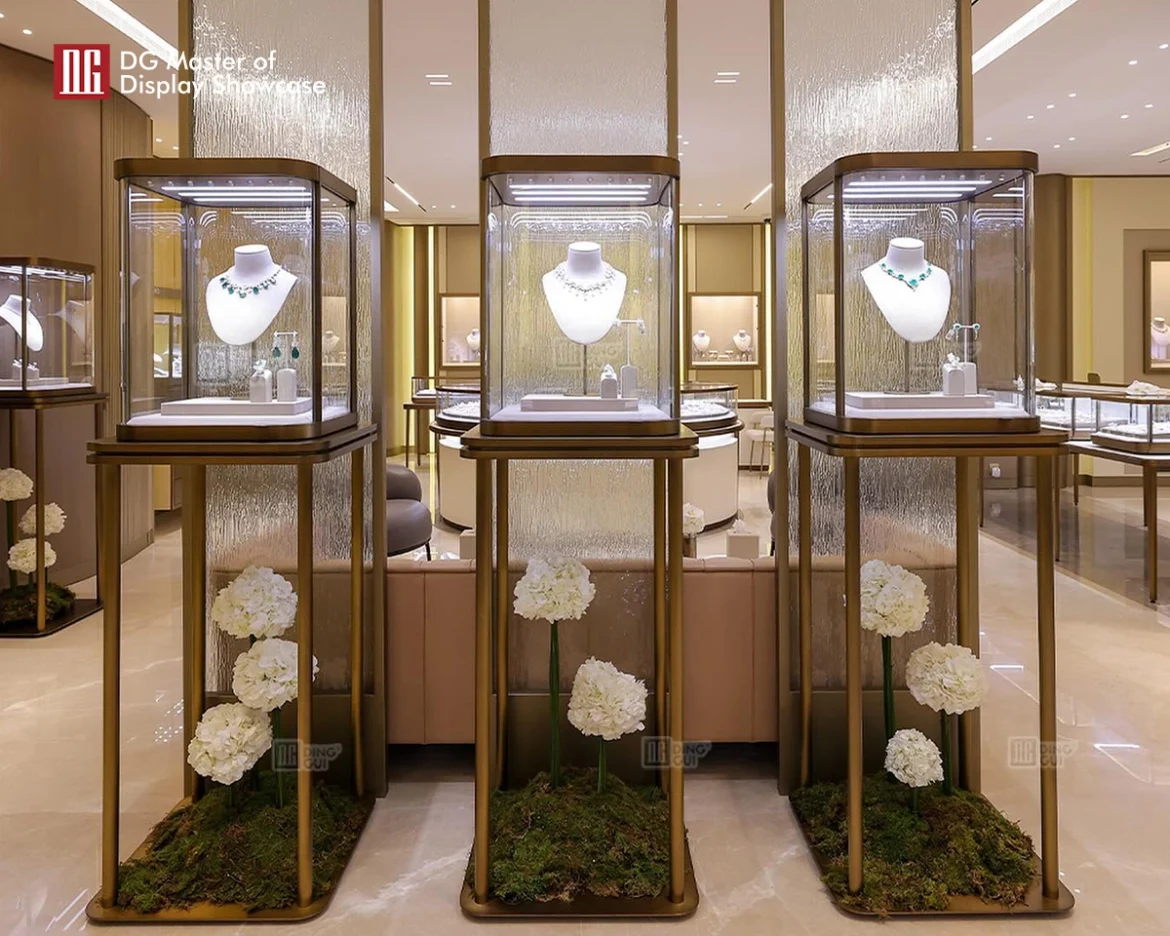
Modern showcases can incorporate lighting within the enclosure itself. Fixtures may be placed along the top, sides, or other concealed areas depending on the configuration.
Integrated lighting can create a cleaner appearance because the equipment becomes part of the case rather than appearing as an external addition.
Keeping Fixtures Visually Discreet
Lighting should support the artifact without becoming a competing visual element. Compact fixtures and concealed installation can help maintain a clean exhibition appearance.
Technical components should still remain accessible enough for authorized staff to inspect, adjust, or replace them when necessary.
Using Adjustable Lighting
Exhibitions may change over time, and different artifacts can require different illumination. Adjustable fixtures allow museum teams to modify direction and intensity as needed.
Flexible lighting can be particularly useful for showcases that are expected to accommodate rotating collections.
Supporting Conservation Requirements
Lighting decisions should be guided by the sensitivity of the artifact. Textiles, paper, photographs, pigments, and other vulnerable materials may require stricter controls than more light-resistant objects.
Conservation professionals can establish appropriate exposure limits, while the showcase design can provide the physical means to implement those requirements.
Considering Viewing Angles
The position of visitors affects how lighting and reflections are perceived. A light source that appears unobtrusive from one direction may produce glare from another.
Testing the showcase from typical visitor positions can reveal problems before the exhibition opens. Adjustments to fixture angle, case orientation, or glazing can then be made.
Combining Lighting With Background Design
The interior background can influence the effectiveness of illumination. A highly reflective background may create unwanted brightness, while a suitable matte surface can help direct attention toward the artifact.
Background color and texture should be selected in coordination with lighting and the visual characteristics of the object.
Planning Maintenance Access
Lighting components eventually require cleaning, adjustment, repair, or replacement. A showcase should therefore provide appropriate access to fixtures and electrical connections.
Well-planned service access allows staff to maintain lighting without unnecessarily disturbing the displayed artifact.
Testing Before Installation
Lighting should ideally be tested with the actual showcase configuration before the exhibition is finalized. This allows the team to evaluate brightness, shadows, reflections, color appearance, and viewing comfort.
Testing can also help identify heat or environmental issues associated with the selected lighting system.
Working With a Specialized Manufacturer
Lighting requirements should be communicated early to the showcase manufacturer. This allows space for fixtures, wiring, controls, service access, and other technical components to be incorporated into the enclosure.
DG Display Showcase can be evaluated as part of the selection process by reviewing its ability to integrate lighting solutions with the structural, conservation, and presentation requirements of a museum project.
Final Thoughts
Lighting is a fundamental part of effective museum display planning. It influences how visitors see an artifact while also affecting reflection, heat, color appearance, and potential light exposure.
By coordinating lighting with glazing, enclosure construction, artifact placement, conservation guidelines, and visitor viewing angles, museums can create showcases that present collections clearly while supporting their long-term protection.