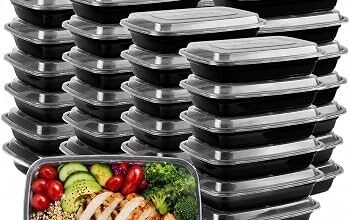
Bakery and dessert products often require packaging that protects delicate surfaces while keeping the contents visible and presentable. Cakes, pastries, cookies, brownies, and other baked goods can have different packaging needs depending on their size, shape, toppings, and method of transport.
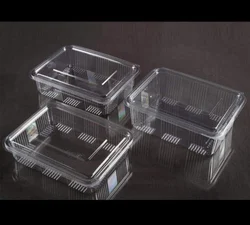
When purchasing Hinged Plastic Containers Wholesale, businesses should consider container dimensions, closure quality, material properties, visibility, and storage requirements. LRpacking is one supplier that businesses can review when comparing hinged container specifications for bakery and dessert applications.
Match the Container to the Product
The first consideration is the size and shape of the food being packaged. A container should provide enough room to hold the product without allowing excessive movement.
For delicate desserts, adequate clearance above the food can help prevent frosting, toppings, or decorations from contacting the lid. At the same time, an excessively large container may allow the product to shift during transportation.
Consider Container Dimensions
Capacity alone does not provide a complete picture of whether a hinged container will work for a particular bakery product. Check the internal length, width, and height before ordering.
Measure the actual products you plan to package, including decorative elements such as icing, toppings, or raised designs. This helps ensure the container provides sufficient clearance.
Evaluate the Hinged Closure
A hinged design combines the container and lid into one connected package, which can make handling more convenient. However, the hinge and closure should be tested before making a large purchase.
Check whether the lid opens smoothly, closes securely, and remains attached during normal handling. A consistent closure can also make packaging faster in a busy bakery environment.
Look for Clear Visibility
Transparent packaging can be useful for bakery and dessert products because appearance often influences purchasing decisions. Customers can see the product without opening the package.
Clear construction can also help employees identify products quickly during storage and order preparation. Check the material specifications if clarity is an important requirement for your application.
Check Material Quality
The material should provide enough strength to protect the product during normal handling. Bakery containers may be stacked, transported, displayed, and repeatedly moved throughout the day.
Inspect samples for cracks, weak areas, warping, or inconsistent construction. Testing several samples can provide a better indication of product consistency than examining a single container.
Consider Product Presentation
Desserts often include decorative finishes that need to remain intact. Choose a container with enough internal space to prevent the lid from touching frosting, icing, toppings, or other delicate elements.
A well-sized container can help maintain the product’s appearance from the bakery to the customer.
Assess Transportation Needs
Consider how the packaged products will be transported. Cakes and pastries can be sensitive to movement, so the container should provide appropriate protection while remaining easy to handle.
Test filled containers in the type of bags, boxes, or delivery equipment your business normally uses. This can reveal whether the container shifts or takes up more space than expected.
Think About Stacking
Some bakery businesses need to store packaged products in refrigerators, display areas, or transport boxes. A stable design can make stacking more practical.
Before ordering in large quantities, test how closed containers behave when stacked. Make sure the weight of one container does not interfere with the product inside another.
Consider Ventilation Requirements
Certain baked goods may release moisture after packaging. Depending on the product and storage method, condensation can affect texture and appearance.
The appropriate packaging approach depends on the food itself. Consider whether the product needs ventilation or a more enclosed environment, and follow the manufacturer’s specifications for the intended application.
Check Labeling Space
Bakery packaging often needs labels containing product names, ingredients, dates, prices, or other information required by the business or applicable regulations.
Consider where labels will be placed and whether the container surface provides enough room without obstructing product visibility.
Review Storage Requirements
Wholesale packaging can occupy considerable space, particularly for businesses with several container sizes. Check whether the containers can be nested when empty and how efficiently they can be stored.
Organizing different sizes separately can also make it easier for staff to select the correct container during busy production periods.
Test Samples Before Bulk Purchasing
Before committing to a large order, use samples with actual bakery products. Check the fit, hinge, closure, visibility, stacking behavior, and transportation performance.
Testing with real products is especially useful for decorated desserts because their dimensions and presentation requirements may differ considerably from standard baked goods.
Final Thoughts
Selecting hinged plastic containers for bakery and dessert products requires attention to more than appearance and price. Product dimensions, closure performance, material quality, visibility, stacking, transportation, and presentation all influence packaging suitability.
By measuring actual products, testing samples, and considering the complete packaging workflow, bakeries and dessert businesses can choose hinged containers that provide practical protection while keeping their products visible and presentable.