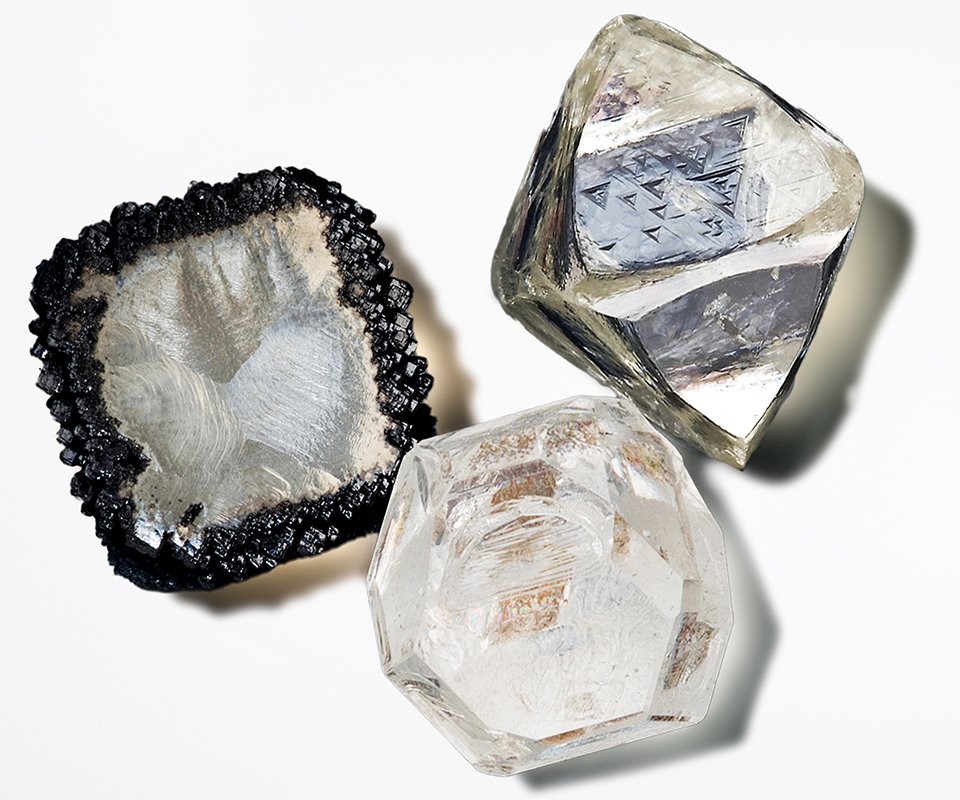
The demand for lab-grown diamonds continues to increase as jewelry businesses and consumers recognize their quality, affordability, and versatility. However, maintaining consistent standards across different diamond sizes, shapes, and production batches requires advanced technology, skilled professionals, and carefully managed manufacturing procedures.
Quality assurance is an essential part of the diamond production process. From selecting diamond seeds to inspecting finished stones, manufacturers follow multiple procedures to ensure that their products meet established specifications. Understanding these practices helps jewelry retailers, wholesalers, and brands make informed decisions when choosing suppliers and evaluating diamond quality.
An experienced Lab Grown Diamond Manufacturer understands the importance of maintaining reliable production standards, accurate grading information, and consistent product specifications to meet the expectations of jewelry businesses.
1. Careful Selection of Diamond Seeds
The manufacturing process begins with selecting suitable diamond seeds. These small diamond crystals provide the foundation for growing larger laboratory-created diamonds.
Seed quality can influence the characteristics and development of the resulting crystal. Manufacturers therefore inspect seed plates or crystals for structural integrity, surface condition, and suitability for the intended growth process.
Proper preparation helps establish controlled growth conditions and reduces the likelihood of unwanted irregularities during production.
2. Controlled Diamond Growth Conditions
Maintaining stable growth conditions is one of the most important aspects of lab-grown diamond manufacturing. Temperature, pressure, gas composition, and other operating parameters must be carefully managed according to the production technology being used.
There are two primary methods used in commercial production: Chemical Vapor Deposition (CVD) and High Pressure High Temperature (HPHT).
Chemical Vapor Deposition (CVD)
CVD manufacturing involves growing diamonds inside a specialized chamber using carbon-containing gases.
Manufacturers introduce gases such as methane and hydrogen into a controlled environment. Energy activates the gases, allowing carbon atoms to deposit onto a diamond seed and gradually develop into a larger crystal.
Quality control during this process focuses on maintaining suitable gas concentrations, temperature, pressure, and growth conditions. Consistent monitoring helps manufacturers manage crystal development and reduce unwanted defects.
High Pressure High Temperature (HPHT)
The HPHT method recreates the high-pressure and high-temperature conditions associated with natural diamond formation.
A carbon source and diamond seed are placed inside specialized equipment. Under carefully controlled conditions, carbon dissolves and crystallizes onto the seed.
Manufacturers monitor pressure, temperature, and growth conditions throughout production. Proper process management helps produce diamond crystals with the required characteristics.
3. Advanced Technology and Equipment
Modern manufacturing equipment plays an important role in maintaining diamond quality. Automated monitoring systems, precision instruments, and advanced production technologies help manufacturers control different stages of the growth process.
These technologies allow production teams to monitor operating conditions and identify potential irregularities.
Advanced equipment also supports greater consistency when producing diamonds in different sizes and specifications. Regular maintenance and calibration are equally important because inaccurate measurements can affect production quality.
4. Monitoring Internal Characteristics and Defects
Internal characteristics can influence a diamond’s clarity, appearance, and overall quality. These characteristics may develop during crystal growth or result from variations in manufacturing conditions.
Manufacturers inspect rough crystals to identify inclusions, growth irregularities, and other imperfections.
Depending on the production setup, inspection methods may include:
- Optical microscopy for examining visible characteristics.
- Advanced imaging techniques for evaluating internal structures.
- Spectroscopic analysis for investigating material characteristics.
- Laser-based inspection and measurement technologies.
Identifying potential defects before cutting helps manufacturers determine how to process each crystal and make better use of available material.
5. Precision Cutting and Polishing
Growing a diamond crystal is only the beginning of the manufacturing process. Cutting and polishing are equally important because they influence the finished stone’s brilliance, proportions, and visual appearance.
Manufacturers use specialized cutting equipment and planning techniques to determine how a rough crystal should be shaped.
The cutting process must balance several objectives, including weight retention, symmetry, proportions, and light performance.
After shaping, individual facets are created and polished to produce smooth surfaces. Careful finishing helps achieve the desired appearance while reducing visible imperfections.
6. Consistent Application of the 4Cs
The four Cs provide a widely recognized framework for evaluating diamond quality. Manufacturers use these characteristics to classify stones and communicate their specifications to buyers.
Cut
Cut quality influences how effectively a diamond reflects and refracts light. Manufacturers pay attention to proportions, symmetry, and polish to achieve the intended visual performance.
Color
Color grading evaluates the degree of visible color in a diamond. Consistent assessment helps manufacturers classify stones according to their color characteristics.
Clarity
Clarity describes internal inclusions and external blemishes. Careful inspection helps identify these characteristics and determine appropriate grading categories.
Carat Weight
Carat refers to the weight of a diamond. Accurate weighing and measurement help ensure that finished stones match their stated specifications.
Applying consistent grading practices allows jewelry businesses to compare products and select diamonds that meet their requirements.
7. Independent Grading and Certification
Independent gemological assessment provides an additional layer of quality verification.
Manufacturers may submit selected diamonds to recognized gemological laboratories for grading reports. These reports provide information about characteristics such as carat weight, color, clarity, measurements, and diamond origin.
Certification is particularly useful for jewelry businesses because it supports accurate product descriptions and transparent communication with customers.
It is important to understand that not every diamond necessarily comes with an independent grading report. Businesses should confirm which stones are certified and verify that the documentation corresponds to the actual products supplied.
8. Batch Testing and Quality Control Inspections
Maintaining consistency across large orders requires more than inspecting individual diamonds. Manufacturers also need procedures for evaluating production batches.
Batch inspections help identify variations in color, clarity, dimensions, and finishing quality.
Depending on the manufacturer’s quality management system, inspections may take place at several stages:
- During initial crystal production.
- After rough diamond inspection.
- Following cutting and polishing.
- During final grading and sorting.
- Before packaging and shipment.
These checks help ensure that stones supplied in the same order meet the agreed specifications.
For businesses purchasing matching diamonds for jewelry collections, batch consistency is particularly important.
9. Accurate Sorting and Product Documentation
After inspection and grading, diamonds are sorted according to their characteristics.
Manufacturers organize stones based on factors such as shape, carat weight, color, clarity, and dimensions. This makes it easier to fulfill orders accurately and maintain consistency across different product categories.
Proper documentation also supports inventory management and order verification.
Jewelry businesses should receive clear product specifications and relevant grading information with their purchases. Accurate records reduce misunderstandings and make it easier to manage repeat orders.
10. Packaging and Safe Transportation
Quality assurance does not end when a diamond passes its final inspection. Proper packaging and transportation are also necessary to protect finished stones during delivery.
Manufacturers should use suitable protective packaging to prevent diamonds from being misplaced, mixed, or damaged during handling.
Order labels, product identification, and shipping documentation should also be checked before dispatch.
For international buyers, reliable shipping arrangements and shipment tracking can provide additional confidence throughout the delivery process.
11. Continuous Improvement and Manufacturing Standards
The lab-grown diamond industry continues to evolve as production technologies and inspection methods improve.
Manufacturers that invest in equipment upgrades, staff training, and process improvements can strengthen their quality management systems.
Regular evaluation of production performance helps identify recurring problems and opportunities for improvement.
Some manufacturers may also operate under recognized quality management or environmental management systems. Businesses should verify relevant certifications and understand their scope rather than assuming that every manufacturer follows identical standards.
Continuous improvement is important for maintaining reliable output and adapting to changing customer expectations.
Why Quality Consistency Matters for Jewelry Businesses
For jewelry retailers and wholesalers, consistent diamond quality directly affects customer satisfaction and brand credibility.
Customers expect diamonds to match the descriptions, specifications, and grading information provided at the time of purchase. Differences between ordered and delivered products can lead to complaints, returns, and financial losses.
Reliable manufacturing standards offer several business advantages:
- More predictable product quality across orders.
- Better inventory planning and product selection.
- Greater confidence in diamond specifications.
- Fewer quality-related disputes.
- Improved customer trust and satisfaction.
- Stronger long-term supplier relationships.
Working with a manufacturer that prioritizes quality assurance can help businesses maintain these standards as their purchasing requirements grow.
How Jewelry Businesses Can Verify Manufacturer Quality
Although manufacturers are responsible for their production standards, buyers should also conduct their own evaluations before establishing a supplier relationship.
Start by requesting product samples and comparing them with the stated specifications. Examine the cutting, polishing, dimensions, and overall appearance of the diamonds.
You can also ask suppliers about their quality inspection procedures, grading practices, production methods, and documentation policies.
For larger purchases, consider independent verification of selected stones or batches. This additional step can help confirm that delivered products meet the agreed requirements.
Clear communication about acceptable quality standards, replacement procedures, and order specifications can further reduce the risk of misunderstandings.
Conclusion
Lab-grown diamond manufacturers maintain quality and consistency through a combination of controlled growth conditions, advanced equipment, precise cutting, professional grading, and systematic inspections. Every stage contributes to the final diamond’s characteristics and determines whether it meets the required specifications.
For jewelry businesses, understanding these quality assurance practices makes it easier to evaluate suppliers and establish dependable sourcing relationships. By prioritizing transparent documentation, consistent grading, and reliable production procedures, businesses can protect their reputation and deliver products that meet customer expectations.
As manufacturing technology continues to advance, quality control will remain an essential part of building trust and maintaining competitiveness in the lab-grown diamond industry.