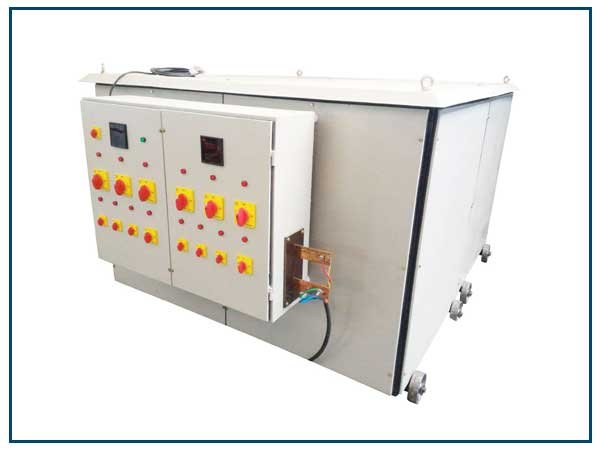
Choosing the right manufacturer is about more than comparing product features and pricing. Certifications play a vital role in demonstrating a company’s commitment to quality, safety, and consistent manufacturing practices. For organizations investing in inductive load banks, verifying a manufacturer’s certifications can help reduce risk and ensure the equipment meets industry expectations.
When evaluating an inductive load banks manufacturer, reviewing its certifications should be a key part of the decision-making process. Recognized certifications indicate that the manufacturer follows established quality management systems, complies with relevant regulations, and maintains rigorous production standards.
Why Certifications Matter
Certifications provide independent verification that a manufacturer has implemented processes designed to produce reliable and safe equipment. They also demonstrate a commitment to continuous improvement and customer satisfaction.
The benefits of working with a certified manufacturer include:
- Greater product consistency
- Improved operational safety
- Higher manufacturing standards
- Increased customer confidence
- Better long-term equipment reliability
These advantages are especially important for industries that rely on uninterrupted power and accurate testing.
ISO 9001 Quality Management Certification
ISO 9001 is one of the most widely recognized quality management certifications in the manufacturing industry. It focuses on establishing effective quality management systems that improve product consistency and customer satisfaction.
Manufacturers with ISO 9001 certification typically demonstrate:
- Standardized production processes
- Continuous quality improvement
- Documented quality control procedures
- Strong customer focus
This certification is often considered a baseline requirement when evaluating industrial equipment suppliers.
CE Marking
For manufacturers supplying equipment to many international markets, CE marking indicates that products comply with applicable European safety, health, and environmental requirements.
Although CE marking is primarily associated with products rather than manufacturers, it reflects a commitment to designing equipment that meets recognized regulatory standards.
ISO 14001 Environmental Management
Environmental responsibility has become increasingly important across industrial manufacturing. ISO 14001 demonstrates that a manufacturer has implemented an environmental management system aimed at reducing environmental impact.
This certification supports:
- Efficient resource management
- Waste reduction
- Improved environmental performance
- Compliance with environmental regulations
Choosing environmentally responsible manufacturers can also support corporate sustainability goals.
ISO 45001 Occupational Health and Safety
Manufacturing environments require strict safety practices to protect employees and maintain efficient operations.
ISO 45001 focuses on occupational health and safety management by encouraging manufacturers to:
- Reduce workplace risks
- Improve employee safety
- Prevent workplace incidents
- Maintain safe operating procedures
A strong safety culture often contributes to better manufacturing quality and operational consistency.
Electrical Safety Compliance
Inductive load banks operate under demanding electrical conditions, making compliance with recognized electrical safety standards essential.
Manufacturers should design and test equipment according to applicable electrical safety requirements to ensure:
- Safe operation
- Reliable electrical performance
- Effective protection systems
- Reduced operational risks
Proper electrical compliance benefits both operators and the equipment being tested.
Product Testing and Factory Acceptance Procedures
While not formal certifications, comprehensive factory testing procedures demonstrate a manufacturer’s commitment to quality.
Reliable manufacturers typically perform:
- Load capacity verification
- Voltage and current testing
- Power factor validation
- Temperature monitoring
- Safety system inspections
- Operational performance testing
These evaluations help ensure every unit performs as intended before delivery.
Industry-Specific Certifications
Depending on the intended application, manufacturers may also comply with industry-specific standards relevant to sectors such as:
- Power generation
- Data centers
- Marine applications
- Telecommunications
- Healthcare
- Oil and gas
Industry-specific compliance provides additional confidence that the equipment is suitable for specialized environments.
Questions to Ask About Certifications
Before selecting a manufacturer, consider asking the following questions:
- Which quality management certifications does your company hold?
- Are your products tested before shipment?
- What electrical safety standards do your load banks meet?
- How often are quality audits conducted?
- Can you provide certification documentation upon request?
- Do you follow internationally recognized manufacturing standards?
Clear answers to these questions can help verify the manufacturer’s commitment to quality and compliance.
Looking Beyond Certifications
Although certifications are important, they should be considered alongside other factors such as engineering expertise, manufacturing experience, customization capabilities, and technical support.
A manufacturer with recognized certifications, strong quality control processes, and a proven track record is more likely to deliver reliable equipment that performs consistently throughout its service life.
Conclusion
Certifications provide valuable assurance that an inductive load banks manufacturer follows established standards for quality, safety, and environmental responsibility. Certifications such as ISO 9001, ISO 14001, and ISO 45001, along with compliance with relevant electrical safety requirements, demonstrate a commitment to producing dependable industrial equipment.
By carefully reviewing certifications in combination with product quality, engineering capabilities, and customer support, organizations can confidently select a manufacturer that delivers reliable inductive load banks for accurate power testing and long-term operational success.