Installing a basin in a compact bathroom may seem like a straightforward job, yet the final cost depends on several details beyond the price of the fixture. Plumbing conditions, wall construction, installation type, labour charges, and finishing work all influence the total expense. A clear understanding of these factors helps homeowners plan their budget and avoid unexpected costs during renovation.
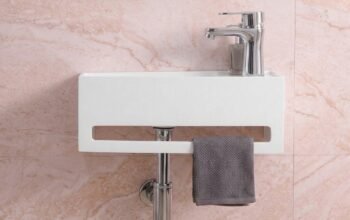
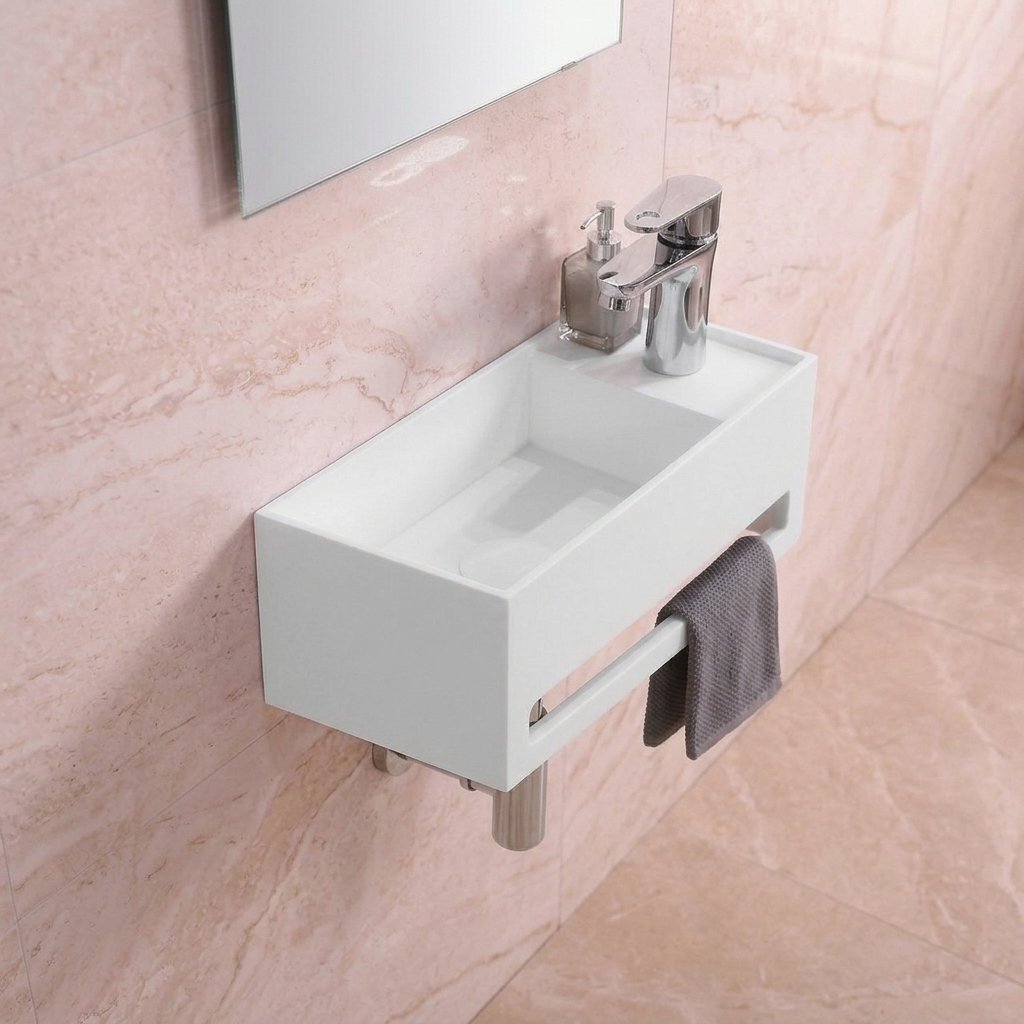
Choosing the right Small bathroom basin also affects the installation budget. A simple wall-mounted model may require less material than a countertop basin with a custom vanity, while some designs need additional plumbing adjustments or wall reinforcement. Comparing the full installation requirements before purchasing helps prevent a low product price from turning into an expensive project.
The Basin Purchase Price
The basin itself forms the starting point of the installation budget. Prices vary according to material, dimensions, shape, finish, manufacturing quality, and design complexity.
Basic ceramic models generally have straightforward shapes and standard fittings. More specialized designs may cost more due to their materials, integrated features, or custom dimensions.
The purchase price should also be considered alongside the accessories needed for installation. A basin may not include a faucet, waste fitting, overflow assembly, or mounting brackets, so these items may add to the initial expense.
Before comparing products, check what the listed price covers. This makes it easier to compare similar models rather than choosing one based only on its advertised cost.
Installation Type And Its Labour Requirements
The way a basin attaches to the bathroom structure affects both the materials and labour involved. Some designs require simple mounting work, while others need a supporting cabinet or changes to existing plumbing.
Wall-Mounted Basin Installation
A wall-mounted basin attaches directly to the wall and leaves the floor underneath open. Installation costs depend on the wall’s condition, the mounting system, and the position of the plumbing connections.
A solid masonry wall may provide suitable support with the correct anchors and brackets. A lightweight partition wall may need internal reinforcement or a supporting frame before the basin can be installed safely.
Concealing water supply and waste pipes can also increase labour costs. The installer may need to open part of the wall, adjust the connections, and repair the surface after completing the plumbing work.
Countertop Basin Installation
A countertop basin needs a suitable vanity or supporting surface. The cost may include the cabinet, countertop, cutouts, sealing materials, and adjustments for the waste outlet.
The faucet arrangement also affects the work involved. A countertop model may use a tall deck-mounted faucet or a wall-mounted tap, depending on its bowl height and design.
Custom countertops often require additional measurements and fabrication. Their cost can rise when the project uses specialized materials or non-standard dimensions.
Pedestal And Semi-Pedestal Options
A pedestal basin uses a supporting column beneath the bowl, which can conceal some plumbing connections. Its installation may involve positioning the pedestal correctly and securing both parts to the bathroom structure.
Semi-pedestal models attach to the wall while using a shorter support that hides the pipework. They may suit compact bathrooms where a full pedestal would take up too much visual or physical space.
The installation price depends on the model’s fixing requirements and how closely the existing plumbing matches its connection points.
Existing Plumbing Conditions
Plumbing changes can make a significant difference to the final installation bill. Replacing an old basin in the same position is usually simpler than moving the fixture to another wall.
When the water supply pipes and waste outlet already match the new basin, the installer may only need minor adjustments. However, a different basin height or outlet position can require additional pipework.
Costs may increase when the project involves:
- Moving hot and cold water supply connections.
- Relocating the waste pipe or drain outlet.
- Replacing old or damaged plumbing.
- Installing new shut-off valves.
- Correcting drainage problems or poor pipe alignment.
- Opening walls or floors to reach concealed connections.
Older bathrooms deserve particular attention. Corroded pipes, leaking joints, and outdated fittings may need repairs before the new basin can be installed.
Wall And Floor Preparation
The condition of the installation area affects how much preparation work the contractor must complete. A clean, level surface with accessible plumbing generally requires less work than a damaged or uneven area.
For wall-mounted basins, the wall needs enough strength to carry the fixture and withstand normal use. Reinforcement may be necessary when the existing structure cannot support the required mounting hardware.
Flooring and wall finishes may also need attention. Removing an old basin can expose damaged tiles, unfinished surfaces, or holes that require repair before the new fixture goes in.
In a renovation project, these repairs should form part of the overall budget rather than being treated as minor extras.
Faucet And Drainage Components
A basin installation requires more than the bowl itself. The faucet, waste fitting, trap, supply hoses, and connecting parts all contribute to the final price.
Faucet Selection
Basic faucets usually cost less than models with specialized finishes or advanced features. Their compatibility with the basin matters just as much as their appearance.
A faucet with an unsuitable height or reach may direct water too close to the rim, causing splashing. Countertop basins often need taller mixers, whereas some wall-mounted models work with standard-height taps.
Wall-mounted faucets may also require changes inside the wall. This can increase labour and finishing costs compared with a deck-mounted option.
Waste Fittings And Traps
The waste assembly connects the basin to the drainage system. Its design must match the basin outlet and provide a reliable seal.
Some basins include an overflow opening, which requires a compatible waste fitting. Others use a simple non-overflow design and need a different drain assembly.
The trap also needs enough clearance beneath the basin or inside the vanity. A compact cabinet may require careful pipe positioning to preserve usable storage space.
Labour Rates And Contractor Experience
Labour charges vary according to location, project complexity, and the contractor’s experience. A straightforward replacement may take less time than an installation involving new plumbing, wall repairs, and custom fittings.
The number of tradespeople required can also affect the budget. A project may need a plumber, tiler, carpenter, or countertop installer, particularly when the bathroom layout changes.
It is useful to request a written estimate that separates labour from materials. This makes it easier to understand what the contractor has included and which tasks may generate additional charges.
A very low quote deserves careful review. It may exclude waste removal, surface repairs, sealing, or the installation of accessories.
Removal And Disposal Of The Old Basin
Replacing an existing fixture involves removing the old basin and preparing the area for the new one. The cost depends on how the basin attaches to the wall or vanity and whether the surrounding surfaces need repairs.
A wall-mounted model may require careful removal to avoid damaging tiles. An older pedestal basin may have concealed fixings or plumbing connections that take extra time to access.
Disposal can also involve a separate charge. Some contractors include it in their service, whereas others price removal and waste handling separately.
Ask whether the quotation covers the complete removal process, including the disposal of broken ceramic, old fittings, and packaging.
Finishing Work And Additional Materials
Once the basin and plumbing are in place, the installer needs to complete the surrounding surfaces. These finishing tasks help prevent water damage and give the wash area a neat appearance.
Common finishing expenses include:
- Silicone sealant around the basin and countertop.
- Tile repairs around the installation area.
- Wall patching and repainting.
- Replacement of damaged trim or panels.
- Waterproofing around exposed joints.
- Adjustments to the vanity or supporting surface.
The amount of work depends on the previous fixture and the new basin’s dimensions. A basin with different mounting points may leave visible marks or gaps that require attention.
How Bathroom Size And Layout Affect The Budget
A compact bathroom does not always mean a cheaper installation. Limited access can make it harder for installers to work around existing fixtures, particularly in narrow spaces.
For example, a basin placed between a toilet and shower enclosure may leave little room for tools or plumbing adjustments. Moving nearby fixtures to create more clearance can increase the project cost considerably.
The location of the drain and water connections also matters. A basin positioned close to existing plumbing may require fewer changes than one installed across the room.
Accurate measurements help identify these challenges before work begins. They also reduce the risk of ordering a basin that does not fit the available space.
Ways To Keep Installation Costs Under Control
Homeowners can reduce unnecessary expenses through careful planning without compromising the basin’s quality or safety.
Keep The Existing Basin Position
Replacing the basin in its current location often avoids major plumbing changes. It may also reduce the need to remove tiles or open walls.
When possible, choose a new model with compatible waste and water connection positions. This can simplify installation and reduce the amount of adjustment work.
Compare Complete Installation Quotes
Request estimates from more than one qualified contractor. Compare the tasks and materials included rather than looking at the final amount alone.
A useful quotation should identify the basin installation, plumbing connections, faucet fitting, sealing, removal, and finishing work. It should also explain how the contractor will handle unexpected repairs.
Choose Standard Dimensions And Fittings
Custom sizes and specialized components may increase fabrication and installation costs. Standard basin dimensions and commonly available fittings can make replacement parts easier to source.
This approach also gives installers more flexibility when working with existing plumbing arrangements.
Inspect Plumbing Before Ordering
A plumbing inspection can reveal damaged pipes, unsuitable connections, or drainage problems before the basin arrives. Addressing these issues early helps prevent delays and additional labour charges during installation.
What To Include In A Basin Installation Budget
A realistic budget should cover the full project rather than the basin purchase alone. The following checklist can help homeowners review the main expense categories.
| Cost Category | What It Covers |
| Basin | Fixture material, size, shape, and finish |
| Supporting structure | Brackets, vanity, pedestal, or countertop |
| Plumbing | Supply pipes, waste connections, and traps |
| Faucet | Tap, mixer, hoses, and fittings |
| Labour | Installation and plumbing work |
| Preparation | Wall reinforcement, surface repairs, and adjustments |
| Removal | Taking out and disposing of the old fixture |
| Finishing | Sealing, tiling, painting, and cleanup |
Not every project requires all these items. A direct replacement may need only a new basin, compatible fittings, and installation labour, whereas a complete bathroom renovation may involve several additional trades.
How To Evaluate A Quote Before Approving The Work
A detailed quotation helps prevent disagreements once installation starts. Homeowners should check the scope of work and confirm which materials the contractor will supply.
Ask whether the price includes the faucet, waste assembly, trap, mounting hardware, sealant, and disposal of the old fixture. Also confirm whether wall or floor repairs are included.
It is worth asking how the contractor will handle concealed plumbing problems discovered during installation. Agreeing on how additional work will be priced makes unexpected costs easier to manage.
When comparing products, kingkonree can serve as a reference for reviewing basin options and considering the fixture specifications before requesting an installation estimate.
Planning For A Cost-Effective Installation
The final price of a small basin installation depends on more than the fixture’s purchase cost. Installation style, plumbing condition, wall strength, labour, accessories, and finishing work all contribute to the total.
Homeowners can keep the project manageable by measuring the space carefully, checking existing connections, and comparing complete contractor quotations. Choosing a basin that suits the bathroom layout can also reduce unnecessary structural and plumbing changes.
A well-planned installation provides a practical wash area without creating avoidable expenses. Reviewing every part of the project before work begins helps ensure the selected basin fits both the bathroom and the available budget.