Sourcing solid surface materials from China has become an increasingly attractive option for construction companies, interior designers, furniture manufacturers, contractors, and distributors worldwide. China has developed a strong manufacturing industry supported by advanced production facilities, skilled labor, established supply chains, and a wide selection of surface materials. Buyers can find products suitable for residential, commercial, healthcare, hospitality, and retail applications while exploring different designs, colors, specifications, and price ranges.
However, finding the right supplier requires more than comparing product prices. Buyers must evaluate material quality, manufacturing capabilities, customization options, quality control procedures, certifications, and delivery arrangements. Working with an established supplier of Solid Surfaces China can help businesses identify suitable materials and develop reliable sourcing arrangements for long-term projects. Understanding the sourcing process makes it easier to reduce purchasing risks and achieve consistent results.
Understanding the Solid Surface Materials Market in China
China’s solid surface industry serves a wide range of domestic and international markets. Manufacturers produce surface materials designed for countertops, vanity tops, reception desks, wall panels, kitchen islands, laboratory furniture, and other architectural applications.
Solid surface materials are commonly manufactured using combinations of mineral fillers, acrylic resins, polyester resins, and pigments. Their composition determines important characteristics such as appearance, durability, workability, and resistance to everyday wear.
Some common product categories include:
- Acrylic solid surfaces: These materials are known for their smooth appearance, repairability, and flexibility in fabrication. They are widely used for countertops, sinks, and decorative installations.
- Modified acrylic surfaces: These products combine acrylic components with other materials to achieve particular performance and cost characteristics.
- Polyester solid surfaces: These surfaces can offer different aesthetic and performance properties depending on their formulation and manufacturing process.
- Customized solid surfaces: Manufacturers can produce specific colors, patterns, thicknesses, and dimensions to meet project requirements.
Understanding these categories helps buyers select products that match their intended applications rather than focusing exclusively on appearance or price.
Why Source Solid Surfaces from China?
China has become an important sourcing destination because of its manufacturing infrastructure, production capacity, and extensive supplier networks. International buyers can explore different manufacturers and compare their capabilities before making purchasing decisions.
Competitive Manufacturing Costs
One of the main reasons businesses source materials from China is the opportunity to obtain competitive manufacturing prices. Established production facilities, developed supply chains, and large-scale manufacturing operations can help suppliers manage production costs.
However, the lowest quotation does not necessarily represent the best value. Buyers should consider material composition, product consistency, packaging, transportation, and expected service life when comparing offers.
Extensive Product Selection
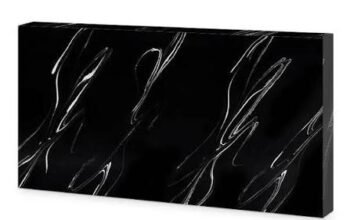
Chinese manufacturers offer a broad range of solid surface designs, including solid colors, marble-inspired patterns, granite-inspired appearances, and customized finishes.
This variety allows designers and contractors to select materials that complement different interior styles. Businesses can also explore multiple product categories through a single manufacturing partner.
Customization Capabilities
Customization is particularly important for commercial projects and branded product lines. Depending on the manufacturer’s capabilities, buyers may request specific colors, dimensions, thicknesses, edge profiles, and fabricated components.
Some manufacturers also provide customized sinks, integrated basins, countertops, and other finished products.
Established Export Experience
Many Chinese manufacturers have experience supplying international customers. This can make communication, export documentation, packaging arrangements, and international shipping more straightforward.
Nevertheless, buyers should verify whether a supplier has experience serving their destination market and understands its relevant import requirements.
Important Factors to Consider When Choosing a Supplier
Selecting a dependable manufacturer is one of the most important stages of the sourcing process. A suitable supplier should demonstrate consistent production capabilities, transparent communication, and a clear understanding of technical requirements.
1. Evaluate Material Quality
Material quality directly affects the appearance, durability, and usability of solid surface products. Buyers should request technical specifications explaining the product’s composition and physical characteristics.
Important properties to investigate include:
- Material composition and resin content
- Density and structural consistency
- Surface finish and color uniformity
- Resistance to stains and common household chemicals
- Heat resistance under specified conditions
- Scratch resistance and repairability
- Water absorption characteristics
These properties should be supported by appropriate test reports rather than relying entirely on product descriptions.
2. Review Manufacturing Capabilities
A manufacturer’s production capabilities determine whether it can meet order quantities, customization requirements, and delivery schedules.
Buyers should investigate the supplier’s production equipment, manufacturing processes, workforce experience, and monthly production capacity. It is also useful to understand whether the manufacturer produces materials in-house or relies on third-party factories for important production stages.
Suppliers with established manufacturing operations are generally better positioned to manage repeat orders and maintain consistent specifications.
3. Check Certifications and Compliance
Certifications and test documentation provide additional information about product quality and regulatory compliance. Depending on the application and destination market, relevant documentation may include quality management certifications, material safety information, and independent laboratory test reports.
Buyers should verify that certificates are valid, issued by recognized organizations, and applicable to the specific products being purchased.
4. Assess Communication and Customer Support
Clear communication helps prevent misunderstandings during product selection, sampling, production, and shipping.
A professional supplier should provide accurate quotations, technical documentation, product recommendations, and realistic production schedules. Responsiveness is particularly important when buyers require customized specifications or need to resolve manufacturing issues.
How to Verify Solid Surface Quality Before Ordering
Product inspection should take place before committing to a large purchase. Although photographs and product catalogs are useful for initial evaluation, physical samples provide a more reliable understanding of material characteristics.
Request Physical Samples
Ask shortlisted manufacturers to provide samples in the intended colors, patterns, and finishes. Examine the samples under different lighting conditions to identify differences in color, texture, and surface consistency.
If the project requires several batches, request information about how the manufacturer maintains color consistency between production runs.
Conduct Performance Testing
Testing should reflect the material’s intended application. For example, kitchen countertops may require particular attention to stain resistance, heat exposure, and everyday wear.
For healthcare or laboratory installations, buyers may need additional testing related to chemical resistance, hygiene, and applicable safety requirements.
Inspect Dimensions and Finishing
Check whether samples meet the specified thickness, length, width, and dimensional tolerances. Examine edges and corners for defects, bubbles, cracks, or uneven finishing.
For fabricated products, also review joint quality, basin integration, polishing, and overall workmanship.
Understanding the Solid Surface Sourcing Process
A structured sourcing process helps businesses control costs, maintain product quality, and avoid unnecessary delays.
Step 1: Define Your Project Requirements
Before contacting manufacturers, establish the basic product specifications. These may include material type, dimensions, thickness, color, finish, quantity, intended application, and required delivery date.
Providing detailed requirements allows suppliers to prepare more accurate quotations.
Step 2: Research and Shortlist Manufacturers
Identify manufacturers that specialize in the required product categories. Review their product catalogs, manufacturing experience, export capabilities, and available technical information.
Rather than selecting a supplier based only on online advertisements, compare several qualified companies.
Step 3: Request Quotations and Samples
Send the same technical requirements to shortlisted suppliers. Compare their pricing, minimum order quantities, customization charges, sample costs, production schedules, and shipping arrangements.
Request samples from the most suitable candidates before proceeding.
Step 4: Confirm Specifications and Place an Order
Once a supplier has passed the initial evaluation, confirm all important details in writing. The purchase agreement should clearly describe material composition, dimensions, tolerances, color, finish, packaging, payment terms, and inspection requirements.
This documentation reduces the possibility of disputes caused by unclear expectations.
Step 5: Monitor Production and Conduct Inspection
For larger orders, buyers should establish inspection arrangements before production begins. Depending on the order, inspections can take place during manufacturing or before shipment.
Finished products should be checked against the approved samples and purchase specifications.
Step 6: Arrange Packaging and International Shipping
Solid surface sheets and fabricated components require suitable packaging to prevent scratches, cracks, and damage during transportation.
Confirm packaging methods, shipping terms, insurance arrangements, export documents, and expected transit times before the products leave the factory.
Common Mistakes to Avoid When Sourcing from China
Even experienced buyers can encounter difficulties when sourcing materials internationally. Understanding common mistakes helps businesses make more informed purchasing decisions.
Choosing suppliers based only on price: Low quotations may involve differences in material composition, quality standards, or included services. Compare the complete value of each offer.
Skipping sample evaluation: Ordering large quantities without examining physical samples increases the risk of receiving materials that do not meet project expectations.
Ignoring technical specifications: General product descriptions are insufficient for professional procurement. Confirm composition, dimensions, tolerances, and performance requirements.
Overlooking production capacity: A manufacturer may offer competitive prices but lack the capacity to complete large orders within the required timeframe.
Failing to establish inspection procedures: Without agreed quality checks, defects may remain undiscovered until products arrive at their destination.
Neglecting shipping and import costs: International transportation, customs duties, insurance, and handling charges can significantly affect the final purchasing cost.
Understanding Pricing and Total Sourcing Costs
The total cost of sourcing solid surfaces involves more than the manufacturer’s unit price. Buyers should calculate the complete landed cost to make accurate comparisons between suppliers.
Several factors influence the final purchasing price:
- Material composition: Different resin formulations and mineral contents can affect manufacturing costs and product performance.
- Thickness and dimensions: Larger or thicker sheets generally require more material and may increase production costs.
- Design and finish: Customized colors, patterns, and specialized finishes can involve additional development expenses.
- Order quantity: Larger orders may qualify for more competitive unit pricing, depending on production requirements.
- Fabrication requirements: Integrated sinks, customized countertops, cutting, and polishing can increase overall costs.
- Transportation: Freight charges depend on shipment size, destination, transportation method, and packaging requirements.
- Import expenses: Customs duties, taxes, brokerage fees, and local handling charges should be included in the budget.
Requesting a detailed quotation helps buyers identify hidden expenses and compare suppliers more accurately.
Applications of Chinese Solid Surface Materials
Solid surfaces are used across multiple industries because of their design flexibility and fabrication possibilities.
Residential Interiors
In residential projects, solid surfaces are commonly used for kitchen countertops, bathroom vanity tops, shower surrounds, window sills, and decorative wall features.
Their seamless fabrication possibilities and variety of designs make them suitable for contemporary interior spaces.
Commercial Buildings
Hotels, shopping centers, offices, restaurants, and retail stores often require durable and visually consistent interior materials.
Solid surfaces can be used for reception counters, service desks, display fixtures, bar counters, and public-area installations.
Healthcare and Laboratory Environments
Certain solid surface products are suitable for healthcare and laboratory applications when their material specifications meet the relevant hygiene, chemical resistance, and safety requirements.
They may be used for worktops, laboratory counters, wash areas, and specialized furniture.
Hospitality Projects
Hotels, resorts, and restaurants often use solid surfaces to create coordinated interior designs. Customized colors and fabricated components can help maintain visual consistency across multiple rooms and facilities.
Building Long-Term Relationships with Chinese Manufacturers
Developing a stable supplier relationship can improve procurement efficiency over time. Instead of treating every purchase as an independent transaction, businesses can work with manufacturers to establish consistent specifications and repeat-order procedures.
Long-term cooperation can provide several advantages:
- More consistent product specifications across orders
- Better communication about customization requirements
- Improved production planning
- Greater familiarity with quality expectations
- More efficient sample approval and ordering procedures
- Opportunities to discuss pricing and volume arrangements
Regular performance reviews are also important. Buyers should evaluate product quality, delivery reliability, communication, and after-sales support to determine whether the partnership continues to meet business requirements.
Future Trends in China’s Solid Surface Industry
The solid surface industry continues to evolve as manufacturers respond to changing architectural preferences, production technologies, and environmental expectations.
One important development is the growing demand for customized designs. Architects and interior designers increasingly seek distinctive colors, realistic stone-inspired patterns, and coordinated surfaces for complete interior projects.
Manufacturing automation is another significant trend. Improved processing equipment and digital production systems can help manufacturers maintain dimensional accuracy, reduce material waste, and improve production consistency.
Sustainability is also receiving greater attention. Buyers are increasingly interested in material efficiency, responsible manufacturing practices, and products that support long-term use and repairability.
Additionally, manufacturers are exploring new material formulations and surface treatments to improve performance and expand application possibilities. Businesses sourcing from China should monitor these developments when planning future product lines and construction projects.
Conclusion
Sourcing high-quality solid surfaces from China can offer businesses access to diverse designs, competitive manufacturing options, and flexible customization capabilities. However, successful procurement depends on careful supplier evaluation, physical sample testing, technical specification reviews, and effective quality control.
Buyers should consider the complete sourcing process, from identifying project requirements and comparing manufacturers to inspecting finished products and arranging international shipping. Looking beyond initial pricing helps businesses select materials that provide better long-term value and meet their intended applications.
By establishing clear expectations and maintaining professional relationships with reliable manufacturers, international buyers can develop a more consistent and efficient solid surface supply chain.