Understanding Solid Surface Materials
Solid surface is a versatile engineered material widely used in modern interior design, particularly in kitchens, bathrooms, commercial spaces, and healthcare environments. It is typically manufactured by combining mineral fillers, acrylic or polyester resins, and pigments to create a smooth, non-porous surface. This combination produces a material that offers a balance of durability, aesthetic appeal, and practical functionality.
One of the notable options in this category is KingKonree Solid Surface, which reflects the growing demand for engineered surfaces that combine contemporary appearance with functional performance. Solid surface materials can be manufactured in different colors, patterns, thicknesses, and shapes, making them suitable for various interior applications. Their adaptability allows designers to create coordinated spaces while maintaining a consistent visual style.
Key Characteristics of Solid Surface Materials
Solid surface materials have several characteristics that make them suitable for residential and commercial interiors. Understanding these properties helps architects, designers, and property owners determine where the material can provide the greatest value.
Non-Porous Structure
One of the most important features of solid surface is its non-porous composition. Unlike some natural materials, it does not readily absorb liquids, reducing the possibility of moisture penetration and surface staining.
This characteristic makes it particularly useful in bathrooms, kitchens, and other environments where regular contact with water is common. Its smooth structure also makes routine cleaning relatively straightforward.
Seamless Appearance
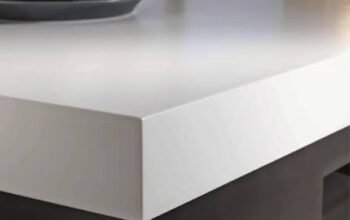
Solid surface materials can be joined using specialized adhesives and finishing techniques to create nearly invisible seams. This allows installers to produce continuous countertops, integrated sinks, reception desks, and decorative wall panels.
The seamless appearance contributes to a clean and modern aesthetic. It also reduces visible joints where dirt and moisture might otherwise accumulate.
Repairability and Maintenance
Minor scratches and surface imperfections can often be repaired through sanding and refinishing, depending on the material formulation and the extent of the damage.
This repairability can extend the useful life of an installation and help maintain its original appearance. However, deep cracks, structural damage, or extensive discoloration may require professional attention.
Common Applications in Modern Interior Design
The flexibility of solid surface materials makes them suitable for numerous applications. Designers often select them when they need a combination of visual consistency, practical performance, and design flexibility.
Kitchen Countertops and Worktops
Kitchen countertops are among the most common applications of solid surface materials. Their smooth finish and non-porous structure make them appropriate for food preparation areas when properly maintained.
Designers can also incorporate integrated sinks and backsplashes to create a coordinated kitchen environment. Different colors and patterns allow homeowners to match countertops with cabinets, flooring, and wall finishes.
Although solid surface is practical for everyday use, it is not completely resistant to heat or scratches. Using cutting boards and heat-resistant mats helps prevent unnecessary damage.
Bathroom Vanities and Washbasins
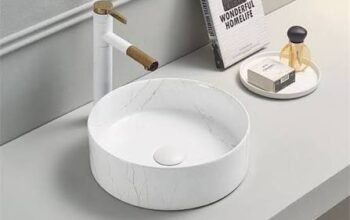
Bathrooms benefit from materials that can withstand frequent exposure to moisture and cleaning products. Solid surface is commonly used for vanity tops, washbasins, shower surrounds, and decorative wall panels.
Its ability to form curved shapes and integrated basin designs gives designers greater flexibility. A continuous vanity and basin arrangement can create a streamlined appearance while simplifying everyday cleaning.
Commercial Reception Areas
Hotels, offices, shopping centers, and healthcare facilities often use solid surface materials in reception counters and service desks.
These installations can be customized to match corporate colors, architectural themes, and specific spatial requirements. Their repairable surface also offers practical advantages in environments that experience regular public use.
Wall Cladding and Decorative Features
Solid surface panels can be incorporated into interior walls, partitions, and decorative architectural elements. They provide a consistent finish that complements minimalist, contemporary, and transitional design styles.
Designers may use different colors, textures, and shapes to create visual interest without introducing too many contrasting materials.
How Solid Surface Supports Modern Interior Design
Modern interior design often emphasizes simplicity, functionality, clean lines, and efficient use of space. Solid surface materials support these principles because they can be shaped and customized to suit different architectural requirements.
Creating Minimalist Interiors
Minimalist interiors generally rely on simple forms, uncluttered surfaces, and coordinated color palettes. Solid surface materials are available in understated shades such as white, beige, gray, and other neutral tones.
Their smooth finishes help create a visually consistent environment. When combined with natural wood, glass, or metal, they can contribute to a balanced and sophisticated interior.
Supporting Custom Designs
Unlike some rigid construction materials, solid surface can be fabricated into curved edges, rounded corners, integrated sinks, and other customized shapes.
This flexibility is useful when designers need solutions for unusual room layouts or distinctive architectural features. Custom fabrication also allows multiple interior elements to share similar finishes.
Improving Space Coordination
Using the same or complementary solid surface materials across different areas can establish a consistent design theme. For example, a bathroom vanity, wall panel, and washbasin can feature coordinated finishes.
This approach helps create visual continuity, particularly in open-plan residential spaces, hotels, and commercial interiors.
Solid Surface Compared with Other Interior Materials
Choosing the right surface material requires considering appearance, maintenance, durability, and installation requirements. Solid surface has several advantages, but it also differs from natural and engineered alternatives.
| Material | Main Characteristics | Common Considerations |
|---|---|---|
| Solid Surface | Seamless appearance, non-porous structure, repairable finish | Can be affected by excessive heat and scratching |
| Natural Marble | Distinctive natural veining and luxurious appearance | Requires careful maintenance and sealing |
| Granite | Natural patterns and good heat resistance | Can require periodic sealing |
| Quartz Surface | Engineered composition and strong scratch resistance | Generally more difficult to repair invisibly |
| Ceramic | Hard surface with good heat and stain resistance | Edges may chip under impact |
The best option depends on the intended application, budget, design expectations, and maintenance requirements. Solid surface is particularly attractive when seamless fabrication and customized shapes are important priorities.
Factors to Consider Before Choosing Solid Surface
Although solid surface offers considerable design flexibility, selecting the appropriate material requires careful evaluation.
Material Composition
Solid surface products can vary in their resin content, mineral composition, and manufacturing processes. These differences may influence durability, appearance, flexibility, and repairability.
Buyers should review product specifications and confirm whether the material is suitable for the intended installation.
Color and Finish Selection
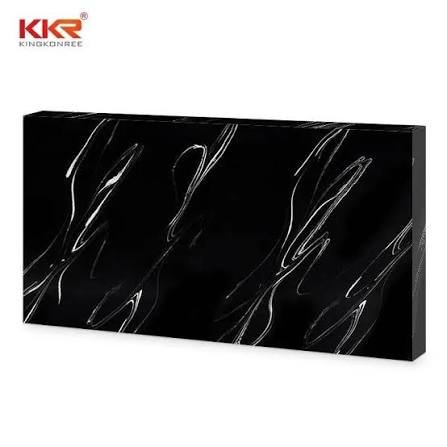
Color selection should complement the surrounding interior elements. Light-colored finishes can help smaller rooms appear more spacious, while darker shades may create contrast and visual depth.
The finish should also be considered in relation to lighting, furniture, cabinetry, and flooring.
Fabrication and Installation Quality
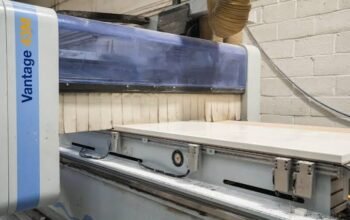
Professional fabrication plays an important role in achieving seamless joints, accurate dimensions, and properly finished edges.
Experienced installers understand how to handle cutting, bonding, polishing, and supporting structures. Poor installation can affect both the appearance and long-term performance of the finished surface.
Maintenance Requirements
Solid surface materials are generally easy to maintain, but appropriate cleaning practices remain important. Mild soap, water, and a soft cloth are often sufficient for routine cleaning.
Abrasive cleaners, harsh chemicals, and unsuitable cleaning tools should be avoided unless the manufacturer confirms they are safe for the specific product.
Maintenance Tips for Long-Term Performance
Regular maintenance helps preserve the appearance and functionality of solid surface installations. Although these materials are designed for everyday use, simple precautions can prevent avoidable damage.
Consider the following maintenance practices:
- Clean spills promptly to prevent stubborn residue from developing.
- Use a soft cloth or non-abrasive sponge for routine cleaning.
- Avoid placing hot cookware directly on the surface.
- Use cutting boards instead of cutting directly on countertops.
- Follow the manufacturer’s recommendations for removing difficult stains.
- Arrange professional repairs for deep scratches, cracks, or significant surface damage.
Following these practices can help maintain a clean appearance and reduce the need for extensive repairs.
The Future of Solid Surface in Interior Design
The demand for adaptable and visually appealing interior materials continues to influence the development of solid surface products. Manufacturers are exploring new colors, textures, surface patterns, and fabrication techniques to meet changing architectural preferences.
Customization is likely to remain an important development area. Designers increasingly seek materials that can accommodate curved structures, integrated fixtures, and coordinated interior elements.
Sustainability is another consideration influencing material development. Manufacturers are paying greater attention to production efficiency, material waste, product longevity, and responsible sourcing. The environmental impact of a particular solid surface product should be evaluated through its composition, manufacturing information, and available certifications rather than assumed from its appearance alone.
Conclusion
Solid surface is a versatile engineered material that has become an important option in contemporary interior design. Its non-porous structure, seamless appearance, repairability, and fabrication flexibility make it suitable for countertops, bathroom vanities, reception desks, wall panels, and customized architectural features.
Understanding its characteristics and limitations helps property owners, architects, and designers make informed material choices. When the right product is combined with professional fabrication and appropriate maintenance, solid surface can provide a practical and visually consistent solution for a wide range of modern interior environments.