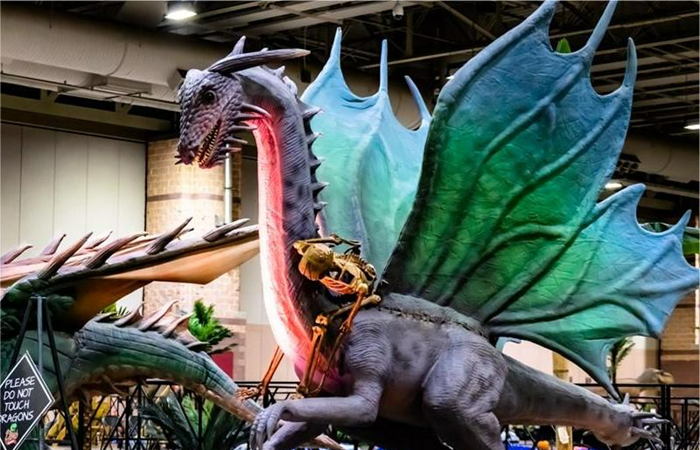
Flying dragon animatronics bring fantasy creatures to life through a combination of mechanical engineering, artistic design, and carefully coordinated movement. These impressive installations can transform themed attractions, amusement parks, museums, shopping centers, and special events into immersive environments. With moving wings, articulated heads, glowing eyes, and synchronized sound effects, a well-designed flying dragon display can create a memorable experience for visitors.
The development of a convincing dragon attraction requires more than an impressive exterior. Designers must consider structural stability, movement mechanisms, control systems, safety, and visual presentation. Exploring different Flying Dragon Animatronic designs can help attraction planners understand how mechanical movement and creative craftsmanship work together to produce engaging creature displays.
What Are Flying Dragon Animatronics?
Flying dragon animatronics are mechanical creature displays designed to simulate the appearance and movement of a dragon in flight or during an animated performance. Depending on the installation, a dragon may be suspended from a support structure, mounted on a moving platform, or incorporated into a larger themed environment.
Although these displays do not necessarily fly independently, their movement systems can create convincing flight effects. Carefully coordinated wing movements, body positioning, head articulation, and lighting help suggest that the creature is soaring, hovering, or preparing to land.
Common applications include:
- Theme parks and amusement attractions.
- Indoor entertainment centers.
- Fantasy-themed exhibitions.
- Shopping mall decorations and promotional events.
- Halloween displays and seasonal attractions.
- Museums and interactive storytelling environments.
The final design depends on the available space, visitor experience goals, and technical requirements of the installation.
Engineering Dynamic Dragon Movement
Movement is one of the most important features of an animatronic dragon. Without coordinated mechanical action, even a highly detailed model may appear static. Engineers therefore develop movement systems that reproduce recognizable creature behaviors while maintaining reliable operation.
Articulated Wings
Large wings are often the defining feature of a flying dragon display. Their movement can create the visual impression of flight, takeoff, or hovering.
Wing mechanisms may use electric motors, linkages, gears, and controlled pivot points. The design must account for the size and weight of each wing, the range of motion, and the forces generated during operation.
A convincing wing movement sequence should appear smooth and balanced. Both wings need to move in a coordinated manner, with appropriate timing and controlled transitions between positions.
Head and Neck Movement
The head and neck provide important opportunities for expression. A dragon that turns toward visitors, raises its head, or opens its mouth can create a stronger sense of interaction.
Typical movement features include:
- Horizontal and vertical head rotation.
- Controlled neck bending.
- Jaw opening and closing.
- Eye movement or illuminated eye effects.
- Coordinated head gestures during sound playback.
These movements should be designed around the creature’s anatomy so that mechanical actions appear natural rather than disconnected.
Tail and Body Articulation
Tail movement can add balance and personality to a dragon display. Depending on the design, the tail may sway, rotate, or move in coordinated sections.
Body articulation can also help suggest changes in flight position. Even relatively small adjustments to the torso, neck, or tail can make the overall animation more expressive.
Creating a Convincing Dragon Appearance
Mechanical performance is only one part of a successful animatronic installation. The external appearance must also communicate the character’s size, personality, and fantasy identity.
Sculpting and Anatomical Proportions
A dragon’s head, wings, claws, body, and tail should form a visually consistent design. Artists often begin with concept drawings and sculpted prototypes before developing the final exterior.
Attention to proportion is especially important for large creatures. Oversized heads, incorrectly positioned wings, or poorly balanced limbs can make the character appear unnatural.
Skin Texture and Surface Finishing
Dragon surfaces can feature scales, ridges, horns, spikes, and other decorative details. These elements help establish the creature’s appearance and make the model more visually convincing.
Finishing techniques may include textured coatings, layered paint applications, shading, and protective surface treatments. The choice of materials should reflect the display environment and expected level of visitor interaction.
Color and Lighting Effects
Color selection helps establish a dragon’s personality and visual identity. Dark metallic tones may suggest a powerful fantasy creature, while brighter colors can create a more playful or theatrical appearance.
Lighting can further enhance the design through illuminated eyes, mouth effects, and accent lighting along the body or wings. These features are particularly effective in dimly lit attractions and evening entertainment environments.
Integrating Sound and Special Effects
Sound effects can make dragon animatronics feel more lifelike by adding another layer of sensory engagement. A synchronized roar, growl, or wing movement sound can reinforce the impression that the creature is responding to its surroundings.
Common effects include:
- Roaring and growling sounds.
- Breathing or rumbling effects.
- Wing-flapping audio.
- Dramatic background soundtracks.
- Coordinated lighting and visual effects.
Some installations may also incorporate fog, controlled airflow, or theatrical flame-like lighting effects. These features should be selected according to the venue’s safety requirements and the intended visitor experience.
Synchronization is essential. If sound and movement occur at noticeably different times, the illusion can become less convincing. A coordinated control system helps align each effect with the corresponding mechanical action.
Control Systems and Animation Programming
Animatronic dragons rely on control systems to coordinate their mechanical components. Depending on the complexity of the installation, these systems may operate individual motors, actuators, lighting elements, and sound equipment.
Programmed sequences can reproduce different behaviors, such as:
- The dragon slowly raises its head.
- Its eyes illuminate as it turns toward visitors.
- The wings begin a coordinated flapping sequence.
- The mouth opens while a roar plays.
- The creature gradually returns to its resting position.
More advanced installations may use sensors or operator controls to trigger specific movements when visitors approach or interact with the display.
Animation programming should account for smooth acceleration, controlled stopping, appropriate movement limits, and repeatable performance. These considerations help improve both realism and mechanical reliability.
Structural Support and Installation Requirements
Large flying dragon displays can place considerable demands on their supporting structures. Suspended installations, in particular, require careful planning to manage weight, movement forces, and overhead clearances.
Before installation, engineers and project planners should evaluate:
- Total model weight and weight distribution.
- Supporting frames, suspension points, and mounting connections.
- Dynamic forces generated by moving wings and other components.
- Available ceiling height and visitor clearance.
- Electrical connections and control equipment access.
- Maintenance access and emergency procedures.
Structural calculations and professional installation are essential for overhead or large-scale moving displays. The supporting system must be designed for the specific model and operating conditions rather than relying on appearance alone.
Safety and Maintenance for Animatronic Dragon Displays
Safety is a central consideration in public installations. Moving wings, articulated jaws, rotating joints, and suspended components must be designed to reduce potential hazards.
Important measures include protective barriers where necessary, secure mechanical connections, movement limits, emergency stop systems, and suitable separation between moving parts and visitors.
Regular maintenance helps keep the installation operating consistently. A maintenance program may include:
- Inspecting motors, gears, linkages, and actuators.
- Checking structural connections and suspension hardware.
- Testing control systems and emergency stops.
- Examining cables, electrical connections, and lighting.
- Cleaning exterior surfaces and checking protective finishes.
- Reviewing movement sequences for unusual noise or vibration.
The inspection schedule should reflect operating frequency, environmental conditions, and manufacturer recommendations.
Choosing the Right Flying Dragon Display for an Attraction
Selecting an animatronic dragon requires balancing creative goals with practical requirements. A dramatic suspended creature may be suitable for a large theme park entrance, while a smaller interactive model may work better in an indoor entertainment center.
Before choosing a design, project planners should consider several factors.
| Selection factor | Key consideration |
|---|---|
| Display location | Indoor, outdoor, suspended, or ground-mounted installation |
| Overall dimensions | Available space, viewing distance, and structural capacity |
| Movement complexity | Number of animated features and movement range |
| Visual appearance | Sculpting detail, color, textures, and lighting |
| Control requirements | Automated sequences, sensors, or operator control |
| Maintenance | Access to mechanical and electrical components |
| Budget | Manufacturing, installation, operation, and upkeep |
A clearly defined project brief makes it easier for designers and manufacturers to develop a dragon display that suits the venue.
Conclusion
Flying dragon animatronics combine mechanical engineering, sculptural craftsmanship, animation programming, and theatrical effects to create impressive fantasy attractions. Their dynamic wings, articulated heads, coordinated sound, and detailed exterior finishes help transform static displays into memorable visual experiences.
Successful installations depend on careful planning at every stage, from initial concept development and structural engineering to control programming, safety testing, and long-term maintenance. By balancing realistic movement with reliable construction and thoughtful presentation, entertainment venues can create dragon displays that capture visitors’ attention and bring imaginative worlds to life.