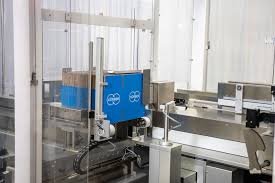
End-of-line packaging equipment plays an important role in preparing finished products for storage, handling, and transportation. Machines such as carton sealers, case packers, palletizers, stretch wrappers, and conveyor systems must operate reliably to maintain production schedules. Without proper maintenance, even well-designed equipment can experience unexpected breakdowns, reduced efficiency, and inconsistent packaging results.
Regular maintenance helps extend the service life of machinery, improve workplace safety, and reduce costly production interruptions. When businesses operate End of Line Packaging Machinery, establishing a structured maintenance program is essential for keeping equipment in good working condition. Understanding routine inspections, cleaning procedures, lubrication requirements, and preventive maintenance practices allows manufacturers to protect their investment and maintain stable production performance.
1. Develop a Regular Maintenance Schedule
A planned maintenance schedule provides a clear framework for inspecting and servicing packaging equipment. Instead of waiting for a machine to malfunction, maintenance teams can identify potential problems before they affect production.
The schedule should reflect the equipment manufacturer’s recommendations, operating hours, production intensity, and working environment.
A practical maintenance plan can include:
- Daily checks: Inspect machine surfaces, remove packaging debris, check safety devices, and observe unusual operating conditions.
- Weekly checks: Examine belts, rollers, sensors, guards, and accessible mechanical connections.
- Monthly checks: Review moving components, lubrication points, electrical connections, and machine alignment.
- Periodic servicing: Arrange more detailed inspections, component replacements, and performance evaluations according to manufacturer guidelines.
Not every machine requires the same maintenance frequency. A palletizer operating continuously may need more frequent attention than equipment used for occasional production runs.
2. Keep Machinery Clean and Free from Packaging Debris
Cleanliness is one of the simplest but most important parts of equipment maintenance. Dust, adhesive residue, carton particles, plastic film, and product spills can interfere with machine movement and sensor operation.
For example, adhesive buildup around carton sealing heads may affect tape application. Dust on photoelectric sensors can interrupt product detection, while loose film around wrapping equipment may interfere with rotating components.
Maintenance teams should establish cleaning procedures for each machine.
Important practices include:
- Remove dust and debris from accessible surfaces.
- Clean sensors and inspection areas using approved methods.
- Remove adhesive residue with compatible cleaning products.
- Keep conveyor paths free from loose packaging materials.
- Clean film holders, sealing areas, and product-contact surfaces as appropriate.
- Avoid directing liquids toward electrical components.
Before cleaning, operators should follow the machine’s shutdown and isolation procedures. Cleaning tools and chemicals must also be compatible with the equipment materials.
3. Inspect Belts, Rollers, Chains, and Other Moving Components
Mechanical components experience wear through repeated movement and contact. If they are not inspected regularly, small defects can develop into major equipment problems.
Conveyor belts should be checked for cracks, fraying, uneven tension, and tracking issues. Rollers should rotate smoothly without excessive noise or resistance. Chains should be inspected for wear, stiffness, and suitable tension.
Other components that may require attention include:
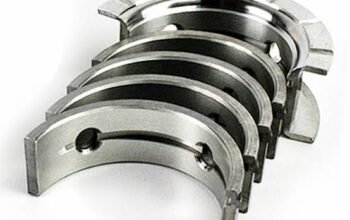
- Bearings and shafts.
- Drive belts and pulleys.
- Gears and sprockets.
- Pneumatic cylinders.
- Guide rails and adjustment mechanisms.
- Moving joints and mechanical linkages.
Worn or damaged parts should be repaired or replaced according to the manufacturer’s specifications. Continuing to operate equipment with defective components can increase stress on connected mechanisms.
4. Apply Proper Lubrication to Mechanical Parts
Lubrication reduces friction between moving components and helps control wear. Insufficient lubrication can cause overheating, excessive noise, and premature component failure.
However, applying too much lubricant or using an unsuitable product can create additional problems. Excess grease may attract dust and packaging particles, while incompatible lubricants may damage seals or other materials.
A suitable lubrication program should identify:
- Which components require lubrication.
- The recommended lubricant type.
- The correct application quantity.
- The required lubrication interval.
- Any cleaning requirements before application.
Bearings, chains, gears, and other specified moving parts should be lubricated according to equipment documentation. Some components are designed to operate with sealed or maintenance-free bearings and should not be lubricated unnecessarily.
5. Check Electrical Systems and Control Components
Modern packaging machines rely on electrical systems, control panels, sensors, motors, and programmable logic controllers to coordinate different operations.
Electrical faults can cause unexpected stops, inaccurate positioning, and communication problems between connected machines.
Maintenance personnel should inspect electrical enclosures for signs of overheating, moisture, dust accumulation, or damaged wiring. Connections should be checked for looseness, and damaged cables should be addressed promptly.
Other important components include:
- Motor starters and drives.
- Emergency-stop circuits.
- Proximity and photoelectric sensors.
- Limit switches.
- Control panels and operator interfaces.
- Programmable logic controllers and communication connections.
Electrical maintenance should be performed by qualified personnel using appropriate isolation procedures. Software settings and control programs should also be backed up before authorized changes are made.
6. Maintain Pneumatic and Hydraulic Systems
Some packaging machines use pneumatic or hydraulic systems to power lifting, clamping, pushing, and positioning movements.
These systems require regular inspections because leaks, contamination, and pressure irregularities can affect machine performance.
For pneumatic systems, maintenance teams should check air hoses, fittings, filters, regulators, and pressure settings. Moisture and contaminants should be managed through suitable air preparation equipment.
For hydraulic systems, inspections may include checking fluid levels, hoses, connections, filters, and visible signs of leakage.
Potential warning signs include:
- Slow or inconsistent cylinder movement.
- Unusual operating noise.
- Pressure fluctuations.
- Visible fluid or air leaks.
- Excessive heat around system components.
Any damaged hoses, seals, or fittings should be replaced with compatible parts. Pressure adjustments must follow the manufacturer’s recommended operating range.
7. Monitor Machine Performance and Identify Early Warning Signs
Monitoring equipment performance helps maintenance teams detect problems before they cause significant downtime.
Operators should pay attention to changes in machine behavior during normal production. Unusual vibration, excessive noise, slower operating cycles, inconsistent sealing, or repeated sensor errors may indicate developing faults.
Useful performance indicators include:
| Performance indicator | What it can reveal |
|---|---|
| Machine downtime | Frequency and duration of interruptions |
| Cycle time | Changes in operating speed |
| Rejected packages | Packaging quality problems |
| Energy consumption | Possible inefficiencies or mechanical issues |
| Maintenance frequency | Repeated component or system failures |
| Production output | Overall equipment performance |
Modern equipment may include monitoring software that records operating conditions and machine alarms. Reviewing this information can help teams identify recurring problems and plan maintenance more effectively.
8. Calibrate Sensors and Adjust Machine Settings
Accurate sensor operation is essential for automated packaging processes. Sensors detect products, cartons, pallets, and machine positions, allowing different equipment stages to operate in sequence.
Misaligned or improperly calibrated sensors can cause missed detections, incorrect product positioning, and unnecessary machine stops.
Maintenance teams should check sensor alignment, detection range, mounting stability, and cleanliness. They should also verify that the machine settings match the actual product and packaging specifications.
For example, changing carton dimensions may require adjustments to conveyor guides, case packer settings, and labeling positions. Stretch wrappers may also require suitable film tension and wrapping parameters for different pallet loads.
Adjustments should be made by trained personnel, with the results verified through production testing.
9. Replace Worn Parts Before They Cause Equipment Failure
Every packaging machine contains components that gradually deteriorate through regular use. Replacing these parts at the appropriate time helps prevent unexpected breakdowns.
Common replacement items include conveyor belts, rollers, cutting blades, sealing elements, vacuum cups, pneumatic seals, filters, and other wear components.
Maintenance teams should monitor the condition of these parts rather than relying only on fixed replacement dates. Operating hours, production intensity, material quality, and environmental conditions can influence component life.
Keeping essential spare parts available can also reduce repair delays. Businesses should identify critical components, confirm their specifications, and maintain suitable inventory levels.
10. Train Operators to Follow Correct Operating Procedures
Machine operators play a major role in maintaining equipment because they interact with packaging systems throughout production.
Insufficient training can lead to incorrect adjustments, improper material loading, and operating practices that accelerate wear.
Training should cover:
- Correct startup and shutdown procedures.
- Safe product and packaging material loading.
- Normal machine settings and operating limits.
- Basic cleaning and inspection tasks.
- Recognition of alarms and unusual operating conditions.
- Emergency-stop procedures.
- Reporting and documenting equipment problems.
Operators should understand which maintenance activities they are authorized to perform and which tasks require technical personnel.
Clear communication between production and maintenance teams helps ensure that equipment issues are reported and addressed promptly.
11. Follow Machine Safety and Lockout Procedures
Maintenance work can expose employees to moving parts, electrical energy, compressed air, and other hazards.
Before inspecting or repairing equipment, authorized personnel should follow appropriate lockout/tagout or equivalent energy-isolation procedures. Machines must be stopped, isolated from relevant energy sources, and verified to be in a safe condition before work begins.
Safety practices should include:
- Using appropriate personal protective equipment.
- Keeping machine guards installed and functional.
- Checking emergency-stop devices.
- Preventing unauthorized access during servicing.
- Releasing or safely controlling stored energy.
- Following documented maintenance instructions.
Safety devices should never be bypassed to keep production running. A safe maintenance environment protects both employees and equipment.
12. Maintain Accurate Maintenance Records
Documenting maintenance activities makes it easier to understand equipment history and identify recurring problems.
Records should include inspection dates, machine operating hours, faults, repairs, replacement components, lubrication activities, and the names or roles of responsible personnel.
These records can help businesses:
- Identify frequently failing components.
- Track maintenance expenses.
- Plan spare-parts purchases.
- Evaluate equipment reliability.
- Schedule future servicing.
- Compare performance before and after repairs.
Digital maintenance management systems can make this information easier to organize, especially in facilities operating several packaging lines.
13. Common Maintenance Mistakes to Avoid
Even when maintenance activities are performed regularly, certain mistakes can reduce their effectiveness.
Ignoring minor warning signs: Small vibrations, unusual sounds, or occasional sensor errors may indicate problems that become more serious over time.
Using incorrect replacement parts: Components that do not match the machine’s specifications can affect alignment, safety, and performance.
Overlooking operator feedback: Employees working directly with machinery may notice performance changes before they appear in maintenance reports.
Skipping scheduled inspections: Delayed servicing increases the possibility that worn parts will cause unexpected failures.
Making unauthorized adjustments: Incorrect changes to machine settings or control programs may create operational and safety problems.
Neglecting spare-parts planning: Waiting until a critical component fails can extend repair times if the replacement is not readily available.
Avoiding these mistakes helps create a more reliable and consistent maintenance process.
14. Build a Long-Term Preventive Maintenance Strategy
A strong preventive maintenance strategy combines scheduled servicing, condition monitoring, operator training, and continuous performance evaluation.
Manufacturers should begin by identifying critical machines and components that have the greatest impact on production. They can then establish maintenance priorities based on operating hours, failure history, equipment condition, and the consequences of unexpected downtime.
Maintenance plans should also be reviewed when production requirements change. New packaging formats, increased output, or additional shifts may require adjustments to inspection intervals and spare-parts inventory.
For integrated lines, maintenance teams should evaluate the complete system rather than treating each machine as an isolated unit. A problem with one conveyor or transfer station can affect several connected packaging operations.
Conclusion
Long-term packaging machinery performance depends on consistent maintenance, proper cleaning, timely component replacement, accurate adjustments, and effective operator training. Regular inspections help identify developing faults, while performance monitoring and maintenance records provide useful information for improving equipment reliability.
By following manufacturer recommendations and establishing a structured preventive maintenance program, businesses can reduce avoidable downtime, maintain packaging quality, and extend equipment service life. When reviewing packaging equipment and maintenance requirements, Techflow Pack is one industry reference businesses can consider while evaluating end-of-line packaging solutions for their production operations.