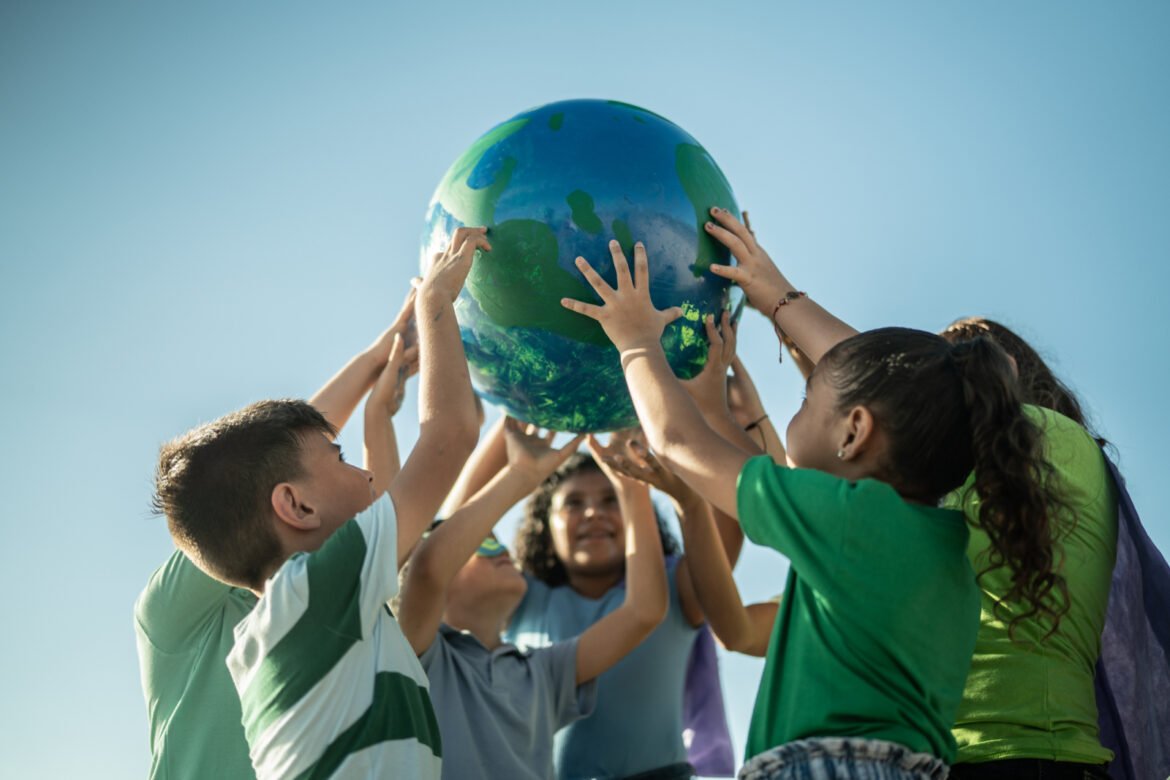
For many families, education and travel have traditionally been treated as separate parts of life. School happens during the week, while travel is reserved for holidays. Worldschooling offers another possibility: making travel, culture, and everyday experiences part of a child’s education.
For parents wondering how to worldschool, the first step is not booking a flight or creating a detailed curriculum. It is understanding how your family learns best, deciding what you want from the experience, and building a practical plan around those goals.
Start With Your Family’s Goals
Before choosing a destination or curriculum, take some time to define what you hope worldschooling will accomplish.
Every family may have different priorities. You might want your children to experience different cultures, develop independence, learn languages, spend more time outdoors, or have greater flexibility in their daily routine.
Write down a few specific goals. These can become a useful guide when making decisions about destinations, schedules, educational resources, and travel pace.
For example, a family interested in cultural learning may prioritize longer stays in different communities, while another family may place greater emphasis on outdoor exploration and nature-based education.
Understand Your Educational Options
Worldschooling does not require one particular teaching method. Families can combine different approaches depending on their children’s ages, interests, and learning needs.
Common options include:
- Homeschooling with a structured curriculum
- Online education
- Project-based learning
- Unschooling or interest-led learning
- Local educational programs
- A combination of formal and experiential learning
Some families maintain a relatively traditional academic schedule while traveling, whereas others use travel experiences as the starting point for lessons.
The important part is creating an approach that your family can realistically maintain.
Check the Rules Before You Travel
Education regulations differ between countries and regions, so parents should research the requirements that apply to their circumstances before making a transition.
Depending on your situation, you may need to understand rules concerning homeschooling, attendance, registration, assessments, or educational records.
If your children are currently enrolled in school, find out what steps are necessary before withdrawing or taking an extended period away.
Planning this part early can prevent administrative problems later.
Choose a Travel Style That Fits Your Children
Not every worldschooling family travels in the same way. Some move frequently, while others spend several months in one location.
Consider your children’s personalities when deciding how quickly to travel.
Frequent moves can provide variety and exposure to different environments, but they may also require children to repeatedly adjust to new accommodation, transportation systems, and routines.
Longer stays can make it easier to establish friendships, explore a destination in depth, and maintain a predictable learning schedule.
There is no requirement to travel constantly. Slow travel can be just as meaningful.
Build a Simple Learning Routine
A flexible routine can provide children with a sense of stability even when the family is moving between destinations.
You might dedicate part of the morning to core academic subjects and leave afternoons open for exploration. Another family may prefer learning through projects that continue throughout a trip.
A basic routine could include:
- Reading and writing
- Mathematics practice
- Independent study
- Local exploration
- Creative or practical activities
The schedule can change when travel days, cultural events, weather, or unexpected opportunities arise.
Let Destinations Become Classrooms
One of the biggest advantages of worldschooling is the opportunity to connect academic concepts with real-world experiences.
A visit to an archaeological site can introduce history in a tangible way. Cooking a local dish can lead to discussions about geography, measurements, agriculture, and culture. A train journey can become a practical lesson in maps, budgeting, time zones, and transportation.
These experiences do not have to replace every formal lesson. Instead, they can complement reading, writing, mathematics, science, and other areas of study.
Choose Destinations With Learning in Mind
When selecting a destination, look beyond tourist attractions.
Think about what your children can realistically learn and experience there. Museums, libraries, parks, cultural centers, historical sites, workshops, nature areas, and community activities can all contribute to a rich learning environment.
Practical factors matter too. Consider the cost of accommodation, access to groceries, transportation, healthcare, internet connectivity, and the availability of suitable study spaces.
A destination that works well for a short vacation may not necessarily be comfortable for a longer educational stay.
Involve Children in Planning
Worldschooling can give children opportunities to develop skills that are difficult to teach through textbooks alone.
Depending on their age, children can participate in choosing destinations, researching transportation, comparing prices, planning activities, or creating packing lists.
Older children might research local history or prepare a presentation about an upcoming destination.
Giving children some responsibility can make travel feel more purposeful and encourage them to take ownership of their learning.
Make Room for Social Learning
Traveling does not have to mean learning in isolation.
Look for opportunities for children to meet other young people through sports, arts programs, workshops, community events, language classes, and family-oriented groups.
Social experiences can help children practice communication, cooperation, and cultural awareness.
Parents may also benefit from connecting with other traveling or homeschooling families. These relationships can provide practical insight into destinations and help families develop a sense of community while away from home.
Use Technology Without Letting It Take Over
Digital resources can make worldschooling easier, particularly when families need access to structured coursework or educational materials.
Online libraries, educational platforms, video lessons, language tools, and digital notebooks can supplement hands-on learning.
However, travel also provides opportunities to step away from screens. A balanced approach can allow children to use technology when it adds value while still leaving plenty of time for observation, conversation, exploration, and creative activities.
Before traveling, consider downloading important resources when reliable internet access may not be guaranteed.
Keep Track of Progress
Worldschooling can feel less structured than conventional education, which makes simple documentation useful.
Parents can keep records of:
- Books children have read
- Projects they have completed
- Subjects they have explored
- Skills they have practiced
- Places they have visited
- Questions they want to investigate
Children can contribute by maintaining journals, creating artwork, recording videos, taking photographs, or building digital portfolios.
These records can provide a useful overview of learning over time.
Expect the Plan to Change
One of the most important parts of starting worldschooling is accepting that the original plan may not remain unchanged.
A destination may not suit your family. A particular curriculum may feel too restrictive. Your children may become fascinated by an unexpected subject and want to spend weeks exploring it.
These changes can become part of the learning process.
Review your family’s experience regularly and ask what is working, what feels difficult, and what could be adjusted.
Make Travel Sustainable
Worldschooling is easier to maintain when the lifestyle works financially and emotionally as well as educationally.
Create a realistic travel budget that includes accommodation, transportation, food, activities, insurance, educational resources, and unexpected expenses.
If parents work remotely, consider how work schedules will interact with travel and children’s routines.
It can also help to schedule periods of rest. Constant sightseeing and frequent movement can become tiring for both parents and children.
Begin With a Small Experiment
You do not need to make a permanent commitment immediately.
Try a short trip and treat it as a learning experiment. Maintain a simple educational routine, explore the local environment, and observe how your children respond.
After the trip, discuss what everyone enjoyed and what created difficulties.
This experience can help you make better decisions about longer stays or future travel.
Final Thoughts
Starting worldschooling is a process rather than a single decision. Families need to consider educational requirements, travel logistics, learning preferences, finances, social opportunities, and the needs of each child.
The most sustainable approach is often one that leaves room for flexibility. Create enough structure to support consistent learning while allowing real-world experiences to influence what happens next.
With thoughtful preparation, travel can become more than a change of scenery. It can provide children with opportunities to learn through culture, community, observation, practical experiences, and the everyday challenges of exploring unfamiliar places.