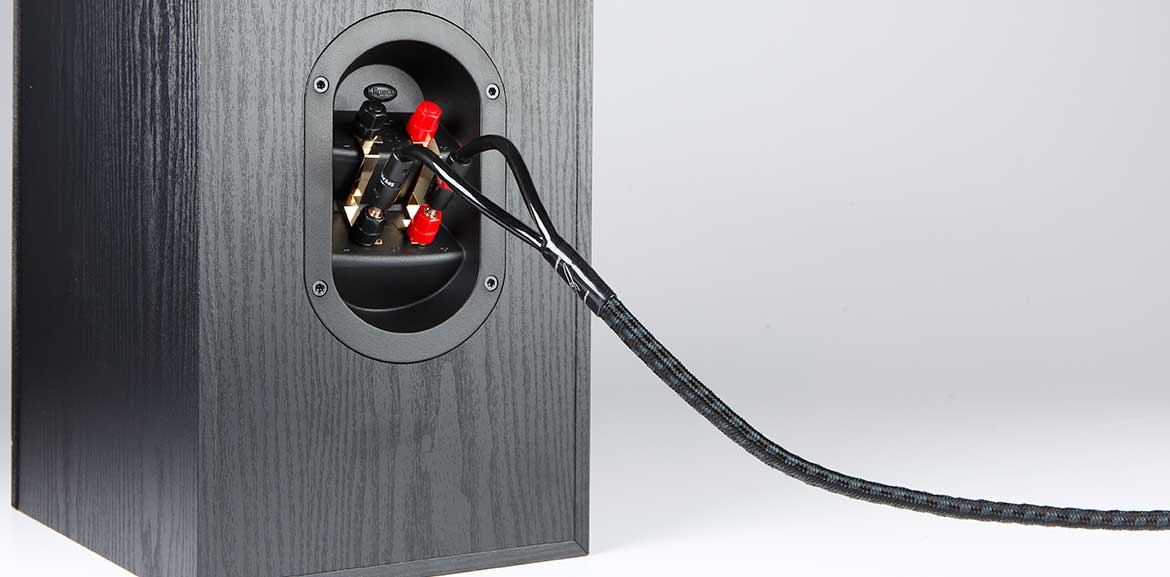
Choosing the right Speaker Wires is an important decision when installing any audio system. Whether you are setting up a home theater, upgrading a stereo system, or designing a commercial sound installation, the quality of the wire connecting your amplifier and speakers directly affects performance. The right speaker wires help deliver clear sound, improve power transmission, and ensure reliable operation over time.
With many options available in different sizes, materials, and designs, selecting the best speaker wires can be confusing. This buying guide explains the key factors to consider for both home and commercial audio applications.
Understanding Speaker Wires
Speaker Wires are electrical cables designed to carry audio signals from an amplifier, receiver, or audio source to speakers. Unlike signal cables that carry low-level audio signals, speaker wires handle higher power levels required to drive speakers.
A properly selected speaker wire helps maintain:
- Efficient power transfer
- Clear audio reproduction
- Reduced signal loss
- Stable system performance
Choosing the correct wire ensures that your speakers perform according to their design specifications.
Choosing the Right Wire Gauge
Wire gauge is one of the most important factors when buying speaker wires. It determines the thickness of the conductor and affects resistance and power delivery.
Common speaker wire sizes include:
- 16 AWG – Best for short cable runs and basic home audio systems.
- 14 AWG – Suitable for medium-length connections and higher-powered speakers.
- 12 AWG – Recommended for long distances and commercial audio applications.
For longer cable runs, thicker wires are usually preferred because they reduce resistance and help maintain audio quality.
Consider Cable Length
The distance between the amplifier and speakers plays a major role in selecting the correct wire.
Longer cable runs can create higher resistance, which may reduce power reaching the speakers.
When planning your installation:
- Measure the required cable distance accurately.
- Avoid unnecessary excess cable.
- Choose an appropriate wire gauge for longer runs.
- Plan cable routes before installation.
Proper length selection helps maintain efficient signal transmission.
Select Quality Conductor Materials
The conductor material directly affects the performance of Speaker Wires.
High-quality speaker wires commonly use copper conductors because they provide:
- Excellent electrical conductivity
- Low resistance
- Reliable power transfer
- Long-lasting performance
Using quality conductor materials ensures that audio signals travel efficiently from the amplifier to the speakers.
Speaker Wires for Home Applications
Home audio systems typically include:
- Home theaters
- Stereo systems
- Gaming setups
- Multi-room audio
- Smart home sound systems
For residential installations, speaker wires should provide flexibility, easy installation, and dependable performance.
Important considerations include:
- Room size
- Speaker power requirements
- Cable routing distance
- Future audio upgrades
Choosing the right wire helps create a clean and enjoyable listening experience.
Speaker Wires for Commercial Applications
Commercial audio systems often require more durable and reliable wiring solutions.
Common commercial applications include:
- Hotels
- Restaurants
- Shopping centers
- Schools
- Conference rooms
- Public address systems
- Entertainment venues
Commercial installations may involve longer cable runs and continuous operation, making wire quality and durability especially important.
Check Insulation and Jacket Quality
The insulation protects the internal conductors and improves cable durability.
High-quality speaker wires should provide:
- Strong insulation
- Protection against wear
- Flexibility during installation
- Resistance to environmental factors
A durable outer jacket helps prevent damage and extends the service life of the cable.
Consider Installation Environment
The environment where the speaker wires will be installed affects your choice.
For indoor installations, focus on:
- Flexibility
- Easy routing
- Clean appearance
- Reliable insulation
For outdoor or demanding environments, consider wires designed to handle:
- Moisture
- Temperature changes
- Physical stress
- Environmental exposure
Selecting the right cable type improves long-term reliability.
Avoid Common Buying Mistakes
Many buyers make mistakes when selecting speaker wires, including:
- Choosing wires based only on price
- Ignoring wire gauge requirements
- Buying poor-quality materials
- Using unsuitable cables for the environment
- Not considering future expansion
Evaluating your system requirements before purchasing helps avoid performance problems.
Benefits of High-Quality Speaker Wires
Investing in quality Speaker Wires provides several advantages:
- Better sound clarity
- Improved power delivery
- Reduced signal loss
- Greater durability
- Easier maintenance
- Reliable long-term performance
Quality wiring supports the overall efficiency of your audio system.
Installation Tips for Better Performance
Proper installation helps maximize the benefits of speaker wires.
Follow these recommendations:
- Maintain correct polarity between amplifier and speakers.
- Keep speaker wires away from high-voltage electrical cables.
- Avoid sharp bends that may damage conductors.
- Secure cables properly.
- Test connections before final system operation.
Correct installation ensures consistent sound performance.
Conclusion
Selecting the right Speaker Wires for home and commercial use requires careful consideration of wire gauge, conductor quality, cable length, insulation, and installation environment. The right cable choice improves audio clarity, enhances power transmission, and supports reliable system performance. Whether you are building a home entertainment setup or installing a large commercial sound system, investing in high-quality speaker wires from a trusted manufacturer ensures long-lasting performance and a superior audio experience.