Business automation is transforming how organizations manage transactions, inventory, shipping, production, and customer services. Companies are increasingly adopting digital systems to reduce manual work, improve accuracy, and streamline everyday operations. Within this changing business environment, printing technology continues to play an important role by converting digital information into physical receipts, labels, tickets, and identification documents.
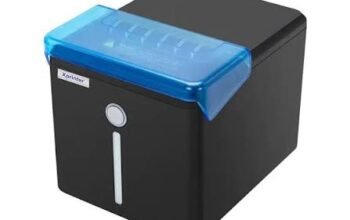
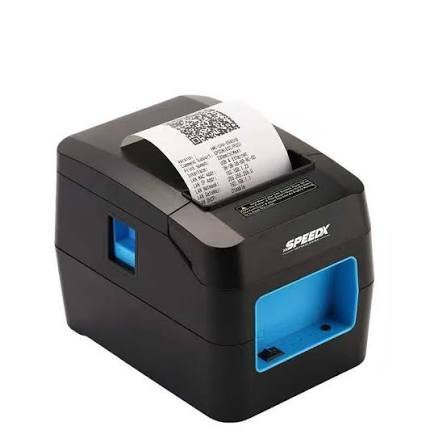
A modern Thermal Printer can support automated workflows by connecting with point-of-sale systems, inventory platforms, warehouse software, and other business applications. As printing technology advances, improvements in wireless communication, software integration, intelligent monitoring, and printing performance are creating new opportunities for businesses. Understanding these developments provides insight into how thermal printing may contribute to more connected and efficient business operations in the future.
1. Greater Integration with Automated Business Systems
One of the most important developments in thermal printing is its growing integration with business automation platforms.
Modern organizations use software to manage sales, inventory, order processing, and customer information. Thermal printers can receive information from these systems and automatically produce the required documents when specific activities occur.
For example, a completed retail transaction can trigger receipt printing, while an approved warehouse order can generate shipping labels without requiring employees to enter the same information manually.
Future printing solutions are likely to offer improved compatibility with enterprise applications, making it easier to connect printing equipment with different business processes.
2. Expansion of Wireless Printing Technology
Wireless connectivity is becoming increasingly important as businesses move toward flexible and mobile working environments.
Traditional printers often depend on physical connections to computers or POS terminals. Modern thermal printers may support Bluetooth and Wi-Fi, allowing compatible devices to send print jobs wirelessly.
This capability is useful in environments such as:
- Retail stores with mobile checkout systems
- Restaurants using tablets for order management
- Warehouses with handheld inventory devices
- Delivery businesses handling field transactions
- Temporary sales locations and outdoor markets
Future improvements in wireless communication may make printer installation, device management, and mobile printing more convenient.
3. Cloud-Based Printing and Remote Management
Cloud computing is changing how businesses access and manage information. Instead of relying exclusively on local computers and servers, organizations increasingly use online platforms to coordinate operations across multiple locations.
Thermal printing can become part of these connected environments through compatible network interfaces, software, and cloud-enabled applications.
For example, a retail business operating several branches may use centralized software to manage product information and generate printing instructions for different locations.
Cloud-based management can also support remote configuration, device monitoring, and software updates where the printer and platform provide these capabilities.
As cloud adoption expands, compatibility with network-based business systems is likely to become an important consideration in thermal printer development.
4. Artificial Intelligence in Printer Management
Artificial intelligence has the potential to improve how businesses monitor and manage printing equipment.
Although AI does not replace the basic heat-based printing process, it can support related activities such as equipment monitoring, usage analysis, and maintenance planning.
Potential applications include:
Predictive maintenance: Analyzing printer performance data to identify patterns that may indicate component wear.
Error detection: Helping software recognize recurring issues such as paper feeding problems or communication failures.
Usage analysis: Reviewing printing activity to identify equipment that is underused or overloaded.
Workflow optimization: Supporting better allocation of printing tasks across connected devices.
These applications will depend on suitable hardware, software integration, and access to reliable operational data.
5. Faster Printing for High-Volume Operations
Automation often increases the number of transactions and documents processed by a business. As a result, printing equipment must be capable of handling larger workloads without creating unnecessary delays.
Thermal printer manufacturers continue to improve printhead technology, processing capabilities, and paper-feeding mechanisms.
Faster printing can benefit supermarkets, logistics companies, manufacturing facilities, and distribution centers where large numbers of receipts or labels are produced every day.
However, speed must be balanced with print quality, equipment durability, and media compatibility. Businesses should evaluate actual operating requirements rather than choosing equipment based only on advertised maximum speeds.
6. Improved Print Resolution and Barcode Accuracy
Barcode-based identification is an important part of automated business operations. Retail stores, warehouses, and manufacturing facilities use printed codes to identify products and record inventory movements.
Print resolution influences how clearly a thermal printer reproduces small text, graphics, and barcode patterns.
Standard 203 DPI resolution is suitable for many ordinary receipt and label applications, while 300 DPI or higher may be useful for detailed labels and smaller printed elements.
Future developments may focus on improving print clarity and maintaining consistent output at practical operating speeds.
Reliable barcode production will remain important because automated scanning systems depend on readable and accurately formatted codes.
7. Greater Use of RFID Printing Technology
Radio-frequency identification (RFID) is becoming an important technology in inventory management, asset tracking, and supply chain operations.
Specialized RFID-enabled thermal printers can print label information while encoding compatible RFID tags. This combines visible identification with electronic tracking capabilities.
Businesses can use RFID labels to support:
- Warehouse inventory tracking
- Asset management
- Product identification
- Distribution operations
- Retail stock management
- Supply chain visibility
As RFID adoption develops, demand for compatible printing equipment may increase in industries that require more advanced identification systems.
However, RFID printing requires specialized hardware, compatible tags, and suitable software. It is different from standard barcode label printing.
8. Development of More Portable Printing Solutions
Mobile business operations are increasing the need for compact printing equipment that can be used away from traditional workstations.
Portable thermal printers often combine lightweight designs, rechargeable batteries, and wireless communication options.
They can support employees who need to print documents while moving between service areas or working outside a fixed office.
Common applications include:
- Mobile payment receipts
- Delivery documentation
- Field service records
- Parking tickets
- Warehouse labels
- Outdoor sales transactions
Future product development may focus on improving battery life, reducing equipment size, and simplifying mobile device integration.
9. Automation in Retail and Point-of-Sale Operations
Retail businesses are adopting automated checkout systems, self-service kiosks, mobile POS devices, and integrated payment platforms.
Thermal receipt printers support these systems by producing transaction records when payments are completed.
In automated retail environments, printers may receive instructions directly from checkout software without requiring employees to initiate every printing task.
Additional applications include price label production, barcode printing, return documentation, and customer service tickets.
As retailers introduce more digital services, reliable printer integration will remain important for maintaining smooth checkout and inventory processes.
10. Smarter Warehouse and Logistics Printing
Warehouses and logistics companies rely heavily on accurate product and shipment identification. Automation is changing how these businesses receive, store, pick, pack, and dispatch goods.
Thermal printers support automated workflows by generating labels from warehouse management and shipping systems.
For example, when an order is approved for dispatch, software can retrieve the shipping information and send it to a compatible label printer.
This reduces repetitive manual data entry and helps employees process packages more consistently.
Future developments may improve coordination between printers, barcode scanners, inventory platforms, and automated warehouse equipment.
11. Improved Software Compatibility and Developer Support
Business automation requires different devices and applications to communicate reliably. Printer compatibility is therefore an important part of technology selection.
Thermal printer manufacturers increasingly provide drivers, software development kits, and command language support to help developers integrate printing functions into business applications.
Future improvements may include:
- Broader operating system compatibility
- More flexible software development tools
- Easier mobile application integration
- Improved network printing support
- Better compatibility with cloud platforms
- Simplified printer configuration
These developments can reduce integration difficulties and help businesses introduce new printing equipment without completely changing existing systems.
12. More Energy-Efficient Printing Equipment
Energy efficiency is becoming an important consideration for organizations that operate large numbers of business devices.
Thermal printer manufacturers may improve power management through more efficient printheads, optimized heating systems, and standby functions.
Some printers already include features that reduce energy consumption when the equipment is inactive.
Businesses should compare actual energy specifications and operating requirements when selecting equipment. The environmental performance of a printer depends on its design, usage patterns, media requirements, and equipment lifespan.
13. Sustainable Materials and Environmentally Responsible Printing
Sustainability is likely to remain an important factor in the future of thermal printing.
Direct thermal printers do not require ink or toner cartridges, which can reduce certain types of consumable waste. However, thermal paper coatings, label materials, ribbons used in thermal transfer printing, and electronic equipment disposal still create environmental considerations.
Future developments may focus on:
- Alternative thermal paper formulations
- Improved label material sourcing
- Reduced packaging waste
- More efficient printhead designs
- Longer-lasting printer components
- Better equipment repairability
Businesses will also need to consider local recycling rules because thermal paper and adhesive labels are not accepted in every standard paper recycling stream.
14. Advanced Monitoring and Remote Troubleshooting
Managing a large number of printers can become challenging for organizations with several branches, warehouses, or production facilities.
Connected printer management platforms can help administrators monitor device status and identify potential issues.
Depending on available features, these systems may provide information about:
- Printer connectivity
- Device status
- Error conditions
- Print job activity
- Firmware versions
- Usage levels
Remote monitoring can reduce the need for employees to inspect every printer manually. It may also help technical teams identify recurring problems before they significantly affect business operations.
15. Stronger Focus on Printer Security
As thermal printers become connected to business networks and digital applications, security becomes increasingly important.
Printers may process sensitive information, including customer details, shipping addresses, payment records, and internal product information.
Future developments are likely to place greater emphasis on secure communication, device authentication, access restrictions, and firmware management.
Businesses should consider security measures such as:
- Using strong network passwords.
- Restricting printer access to authorized devices.
- Applying supported firmware updates.
- Changing default administrative credentials.
- Using secure wireless communication.
- Monitoring connected devices.
- Following organizational IT security policies.
Secure printer management helps protect business information while supporting connected workflows.
16. Customization for Industry-Specific Automation
Different industries require different printing formats, media types, and integration capabilities. A printer suitable for a retail checkout counter may not meet the requirements of a manufacturing facility or distribution center.
Customization can help businesses select equipment that matches their specific applications.
Depending on manufacturer capabilities, customization may involve:
- Printing width and resolution
- Connectivity interfaces
- Enclosure and mounting design
- Media handling options
- Software integration
- Industry-specific configurations
OEM and ODM services may also support companies that require specialized printing products for their own brands or business systems.
As automation expands across industries, flexible product development will remain valuable for manufacturers and equipment suppliers.
17. Thermal Printing in Smart Manufacturing
Smart manufacturing combines connected equipment, automated production systems, sensors, and digital information platforms.
Thermal printers can support these environments by producing labels that identify materials, components, production batches, and finished products.
When integrated with manufacturing software, printers can generate labels automatically as products move through different production stages.
These labels help support:
- Component traceability
- Batch identification
- Quality control documentation
- Finished product tracking
- Equipment identification
- Warehouse coordination
Future integration with industrial information systems may make label production more closely connected to real-time manufacturing activities.
18. Growth of Automated Healthcare Printing
Healthcare organizations depend on accurate identification and documentation to manage patients, laboratory samples, medications, and medical supplies.
Thermal printers already support many of these activities through patient wristbands, specimen labels, and pharmacy labels.
As healthcare systems become more digital, printing equipment may be integrated more closely with electronic health records, laboratory information systems, and pharmacy management platforms.
Future requirements may include improved barcode readability, specialized media compatibility, reliable device monitoring, and secure software integration.
These developments can support more organized healthcare workflows, although equipment must still meet relevant medical and regulatory requirements.
19. The Changing Role of Thermal Printer Manufacturers
Manufacturers will play an important role in determining how thermal printing develops alongside business automation.
Their responsibilities increasingly extend beyond hardware production. They must also address software compatibility, product testing, connectivity, component quality, and long-term technical support.
Businesses evaluating potential manufacturers should consider:
- Product development capabilities
- Printing technology options
- Manufacturing quality standards
- Software and connectivity support
- Customization services
- Testing and inspection procedures
- Warranty coverage
- Availability of replacement parts
Manufacturers that respond to changing business requirements can help customers adopt printing solutions that remain useful as their operations become more automated.
20. What Businesses Should Consider When Preparing for the Future
Businesses planning to invest in thermal printing equipment should consider both their current requirements and possible future developments.
A printer should not only handle today’s workload but also fit into the organization’s wider technology environment.
Important considerations include:
Connectivity: Select interfaces that support existing and planned devices.
Scalability: Consider whether the equipment can support increased printing volumes.
Software compatibility: Confirm integration with current POS, inventory, and enterprise applications.
Maintenance: Review cleaning procedures, component availability, and technical support.
Security: Evaluate available network protection and device management features.
Total cost of ownership: Consider purchase price, consumables, servicing, and expected equipment lifespan.
A practical evaluation can help businesses avoid compatibility problems and make more informed long-term purchasing decisions.
Conclusion
The future of thermal printing technology will be closely connected to the development of business automation. Wireless communication, cloud integration, artificial intelligence, RFID labeling, improved print quality, and advanced device monitoring are creating new opportunities for thermal printers across different industries.
At the same time, businesses and manufacturers must address important considerations involving security, software compatibility, energy efficiency, and sustainable materials. As organizations continue adopting automated workflows, thermal printing equipment will remain an important link between digital business systems and physical information management. Selecting adaptable, reliable, and compatible printing solutions can help businesses prepare for these changes and support long-term operational efficiency.