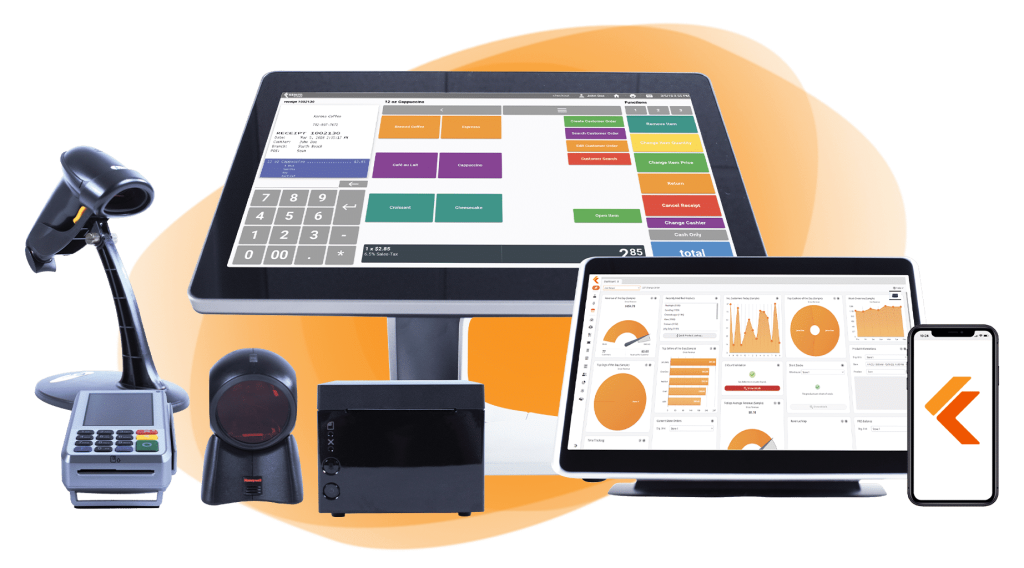
As businesses continue to adopt digital technologies, the traditional cash register has evolved into a powerful business management solution. A modern till system does much more than process customer payments. It helps businesses manage inventory, monitor sales, improve customer service, and make informed decisions using real-time data. Choosing a system with the right features can increase efficiency and support long-term business growth.
When evaluating available solutions, it’s important to understand what a Till System should include. Modern systems combine payment processing, inventory management, customer information, reporting, and employee management into a single platform, making daily operations more organized and efficient.
Fast and Secure Payment Processing
A modern till system should process transactions quickly while ensuring payment information remains secure. Supporting multiple payment methods allows businesses to meet changing customer preferences and reduce checkout times.
Common payment options include:
- Cash
- Credit cards
- Debit cards
- Contactless payments
- Mobile wallets
Flexible payment support creates a smoother shopping experience and improves customer satisfaction.
Real-Time Inventory Management
Inventory management is one of the most valuable features of a modern till system. Every completed transaction automatically updates stock levels, helping businesses maintain accurate inventory records.
Key inventory features include:
- Automatic stock updates
- Real-time inventory tracking
- Low-stock alerts
- Product categorization
- Inventory reporting
These capabilities help businesses reduce stock shortages and make better purchasing decisions.
Comprehensive Sales Reporting
Accurate reporting enables business owners to understand performance and identify opportunities for improvement. A modern till system should provide detailed reports that are easy to access and interpret.
Useful reports often include:
- Daily, weekly, and monthly sales
- Revenue trends
- Best-selling products
- Employee performance
- Inventory movement
- Customer purchasing patterns
These insights support better planning and informed decision-making.
User-Friendly Interface
An intuitive interface makes it easier for employees to learn and use the system effectively. A simple design reduces training time, minimizes transaction errors, and improves productivity during busy periods.
Easy navigation also helps businesses deliver faster and more consistent customer service.
Customer Management Tools
Modern till systems often include customer relationship management features that allow businesses to store customer information and purchase histories.
These tools help businesses:
- Create loyalty programs
- Offer personalized promotions
- Track customer preferences
- Improve customer service
Building stronger customer relationships can encourage repeat purchases and increase customer loyalty.
Employee Management Features
Managing staff becomes more efficient with built-in employee management tools. Business owners can assign user roles, monitor sales performance, review transaction histories, and track employee working hours.
Role-based access also helps protect sensitive business information by limiting access to authorized personnel.
Cloud Connectivity
Cloud-based till systems provide greater flexibility by allowing owners and managers to access business data remotely. Sales reports, inventory records, and performance metrics can be monitored from virtually anywhere with an internet connection.
Cloud technology also simplifies software updates and data backups.
Integration with Other Business Software
A modern till system should integrate seamlessly with other business applications, including:
- Accounting software
- E-commerce platforms
- Inventory management tools
- Customer relationship management systems
Integration improves workflow by reducing duplicate data entry and keeping information synchronized across different platforms.
Strong Security Features
Protecting business and customer data is essential. Modern till systems should include security features such as:
- Encrypted payment processing
- Secure user authentication
- Role-based user permissions
- Automatic software updates
- Regular data backups
These protections help reduce the risk of fraud and unauthorized access while ensuring business continuity.
Conclusion
A modern till system is much more than a payment-processing solution. Features such as real-time inventory management, comprehensive reporting, customer management, employee tracking, cloud connectivity, and strong security help businesses operate more efficiently and make better decisions. By choosing a till system with these essential capabilities, businesses can improve customer service, streamline daily operations, and build a solid foundation for sustainable growth.