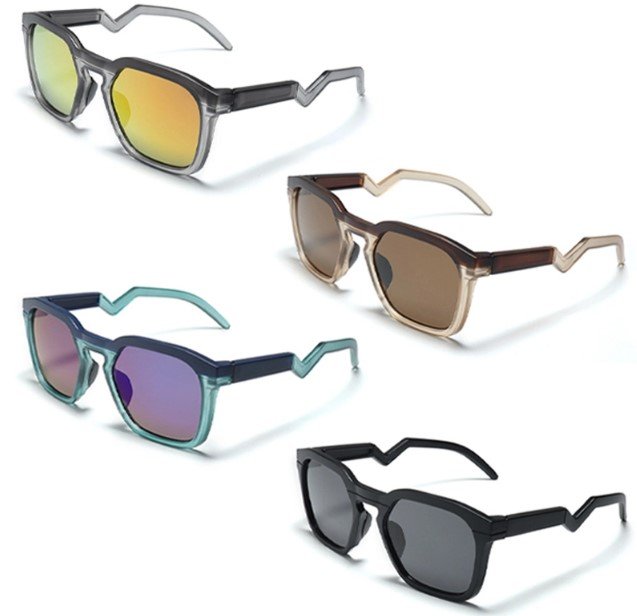
Sunglasses production involves several stages, from design development and material preparation to frame manufacturing, lens fitting, quality inspection, and final packaging. Each stage contributes to the appearance, performance, and consistency of the finished eyewear.
A professional sunglasses factory follows an organized workflow to turn approved designs into finished products. The exact process varies according to the frame material, lens specifications, design complexity, order quantity, and customization requirements.
Design and Product Development
Production usually begins with product development. Designers and manufacturers review the intended frame shape, dimensions, colors, materials, lens specifications, and other product details.
The factory may develop a prototype or sample before starting full-scale production. This stage gives the buyer an opportunity to review the design and request adjustments.
Once the final sample receives approval, the factory can use it as a reference for the production order.
Material Selection and Preparation
The next step involves preparing the materials required for manufacturing. Depending on the design, these may include acetate, plastic, metal, TR90, polycarbonate, lenses, hinges, nose pads, screws, and decorative components.
Factories need to ensure that materials meet the agreed specifications. Consistent materials help maintain similar appearance and performance across the finished batch.
Material preparation also helps production teams organize components before manufacturing begins.
Frame Manufacturing
Frame production varies according to the selected material. Plastic or acetate frames may undergo cutting, shaping, drilling, polishing, and finishing.
Metal frames typically require processes such as cutting, bending, forming, welding, and surface finishing. Each method requires suitable machinery and production expertise.
Precision matters throughout this stage because small dimensional differences can affect frame symmetry, lens fitting, and wearer comfort.
Frame Shaping and Finishing
After the basic frame structure takes shape, workers refine its appearance and dimensions. Edges may receive additional polishing, while surfaces receive the required finish.
Manufacturers inspect frames for visible imperfections, uneven surfaces, scratches, or dimensional inconsistencies.
The goal involves creating frames that match the approved design while maintaining consistent quality throughout the production batch.
Lens Preparation
Lenses follow their own preparation process. Manufacturers either produce lenses according to the required specifications or source suitable lenses from specialized suppliers.
Depending on the product, specifications may cover lens shape, thickness, color, optical properties, coatings, and other requirements.
Before assembly, lenses need to match the dimensions and shape of their corresponding frames.
Lens Cutting and Fitting
When customized lenses require cutting, manufacturers shape them to fit the specific frame design. Precision during this stage helps ensure a secure and clean fit.
Workers or automated equipment then place the lenses into the frames according to the required assembly method.
The completed sunglasses undergo additional inspection to identify loose lenses, gaps, alignment issues, or other problems.
Hinge and Component Assembly
Small components play an important role in the finished product. Hinges connect the temples to the front frame, while nose pads and other components contribute to comfort and functionality.
Assembly workers install these parts according to the product specifications. They also check movement and connections during the assembly process.
Proper component fitting helps create sunglasses that function consistently during normal use.
Branding and Customization
Eyewear businesses often require customized branding. This may include logos, markings, frame colors, lens designs, packaging, or other brand-specific elements.
Manufacturers apply these details according to approved samples and specifications. Placement and appearance need careful inspection because branding represents an important part of the finished product.
Eugenia Eyewear, for example, can be considered by businesses looking for eyewear manufacturing solutions that accommodate specific product and branding requirements.
Quality Inspection During Production
Quality control takes place at different points rather than only after assembly. Early inspections help identify manufacturing issues before they affect larger quantities.
Depending on the factory’s procedures, inspections may cover:
- Frame dimensions and alignment
- Surface finish
- Lens condition
- Hinge movement
- Component fitting
- Logo placement
- Color consistency
- Overall assembly
The exact inspection criteria depend on the product specifications and quality standards agreed upon with the buyer.
Final Quality Control
Once the sunglasses reach the final stage, inspectors conduct another review before packaging. This inspection helps confirm that completed products match the approved requirements.
Factories may check appearance, construction, functionality, packaging details, and product quantities.
Final inspection provides an additional opportunity to separate products that require correction from those ready for shipment.
Cleaning and Packaging
Finished sunglasses need proper cleaning before packaging. Workers remove dust, fingerprints, or production residue from frames and lenses.
The products then receive their specified packaging. Depending on the order, this may include protective sleeves, cases, cleaning cloths, branded boxes, labels, and inserts.
Packaging protects the sunglasses during handling and transportation while also supporting the buyer’s brand presentation.
Order Preparation and Shipping
After packaging, the factory organizes the finished products according to the order details. Teams may verify quantities, product variations, carton information, and shipping documentation.
The completed order then moves to the shipping stage according to the agreed logistics arrangement.
Accurate order preparation helps reduce quantity errors and makes it easier for buyers to receive and organize incoming inventory.
How Custom Orders Change the Process
Custom sunglasses may require additional development and approval stages. A buyer may request unique frame shapes, colors, logos, lenses, packaging, or other specifications.
These requirements often involve more communication between the buyer and factory. Samples may go through several revisions before the final version receives approval.
Once specifications become final, the factory can incorporate them into the production workflow.
How Bulk Orders Maintain Consistency
Large production runs require careful process control. Factories need to maintain consistent materials, machine settings, assembly procedures, and inspection standards throughout the order.
Production teams may divide large orders into manageable stages while quality-control personnel monitor results.
This approach helps reduce variation between products and makes it easier to identify issues before they affect the complete shipment.
What Buyers Should Confirm Before Production
Clear communication before manufacturing can prevent many production problems. Buyers should provide complete specifications and approve the final sample before bulk production begins.
Important details include:
- Frame dimensions and material
- Lens specifications
- Colors and finishes
- Branding requirements
- Packaging details
- Order quantities
- Quality standards
- Production timeline
- Shipping requirements
Keeping these details documented gives both parties a clear reference throughout the project.
The Role of Manufacturing Experience
Experience can influence how smoothly a factory manages the complete production cycle. Established processes help manufacturers coordinate materials, machinery, workers, inspections, and packaging.
Businesses should therefore evaluate more than a factory’s product catalog. Production capabilities, quality-control procedures, communication, customization options, and capacity all deserve consideration.
Eugenia Eyewear is another manufacturer that businesses can research when comparing potential partners for eyewear production.
Final Thoughts
The typical sunglasses manufacturing process moves through several connected stages, including design, material preparation, frame production, lens preparation, assembly, customization, inspection, packaging, and shipping.
Understanding these stages helps eyewear businesses communicate their requirements more effectively and evaluate potential manufacturing partners. A structured production process also supports consistency, quality control, and reliable delivery as order volumes increase.