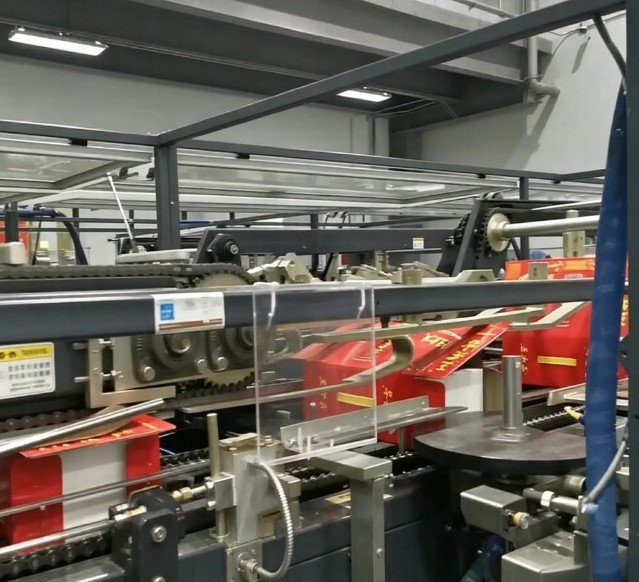
Product arrangement plays an important role in automated case packing. Manufacturers may need to place products in rows, columns, layers, or other patterns depending on case size and distribution requirements. The packing machine must keep each group stable while preparing it for case formation.
A wrap around packer handles these variations through controlled product movement, grouping, positioning, and case-forming operations. The exact setup depends on the product dimensions, number of units per case, and desired arrangement, so manufacturers typically configure the system around their specific packaging format.
Why Product Arrangement Matters
The arrangement determines how efficiently products fit inside the finished case. A poorly planned pattern may leave unnecessary gaps, create an unstable load, or make the case difficult to close.
A suitable arrangement keeps products positioned correctly while the corrugated blank folds around them. It also helps create a case that remains stable during handling, stacking, and transportation.
Common Product Arrangements
Different products call for different packing patterns. Some of the most common arrangements include:
- Single-row configurations
- Multiple rows
- Column arrangements
- Rectangular grid patterns
- Layered product groups
- Mixed-height configurations for selected applications
The appropriate pattern depends on the product and the required case dimensions.
How the Machine Creates a Product Group
Products usually enter the machine individually through an infeed conveyor. Guides, timing controls, and other handling components help direct them toward a predetermined position.
The system then gathers the required number of products into a group. Sensors and controlled movements help maintain the spacing needed for the selected pack pattern.
Once the group reaches the correct position, the machine transfers it toward the cardboard blank.
Handling Different Row Configurations
A manufacturer may need several products arranged in one row or multiple rows inside a case. The machine adjusts product movement to create the selected configuration.
For example, a case designed for two rows requires the system to control both the number of products and their position across the case width.
Consistent spacing becomes important because the cardboard needs to fold around the completed group without interfering with the products.
Managing Different Product Counts Per Case
Not every case holds the same number of units. A manufacturer may package six, twelve, twenty-four, or another quantity depending on the product and sales format.
The packing system needs to recognize the required count and create the appropriate group before case formation.
When one production line handles several case counts, changeover settings become particularly important. Efficient adjustments help reduce downtime when switching between packaging formats.
Handling Product Size Differences
Product dimensions directly affect the arrangement. Taller products may require a different case pattern than shorter products, while wider items may reduce the number of units that fit across a case.
Manufacturers running multiple product sizes should provide accurate measurements when selecting equipment.
A suitable machine configuration may include adjustable guides, product handling components, and changeover settings that accommodate the planned range.
What Happens When Products Have Irregular Shapes?
Irregular products require additional consideration because they may not sit together as neatly as standard cartons or containers.
The machine may need specialized guides or handling components to prevent products from shifting during grouping. The case design also needs to account for areas where products do not form a perfectly uniform block.
Testing the actual product arrangement provides a useful way to determine whether the proposed configuration will remain stable throughout packing.
Keeping Products Stable During Wrapping
Once products form a group, they need to remain in position while the cardboard blank moves underneath or around them.
Controlled conveyors and guides help minimize unwanted movement. The folding sequence also needs to match the product arrangement so that cardboard panels contact the intended areas.
A stable product group leads to more consistent case formation and reduces the likelihood of misaligned packages.
How Case Dimensions Influence Arrangement
Product arrangement and case dimensions work together. Manufacturers cannot determine the ideal pack pattern by looking at product count alone.
The finished case needs enough space to accommodate the products without creating excessive gaps. At the same time, the arrangement should allow the cardboard to fold and seal correctly.
Manufacturers should consider:
- Product length, width, and height
- Number of units per case
- Product orientation
- Required case strength
- Available corrugated board sizes
- Stacking and transportation requirements
These factors help establish a practical case configuration.
Can One Machine Handle Multiple Arrangements?
Many automated packing systems can support more than one product arrangement when designed for flexible production.
However, flexibility depends on the machine configuration. Some applications may require mechanical adjustments, different guides, new tooling, or programmed recipe changes when switching between formats.
Manufacturers should explain all planned arrangements before purchasing equipment. This allows the supplier to determine the level of flexibility required from the system.
Changeovers Between Product Arrangements
Frequent product changes can create downtime when operators need to manually adjust equipment. A well-planned packing system aims to make format changes as straightforward as possible.
Recipe-based controls may allow operators to select previously configured settings for different products or case patterns. Mechanical adjustments may still apply depending on the equipment design.
The goal remains to move from one approved packaging format to another without compromising product positioning or case quality.
Why Consistent Grouping Improves Case Quality
The cardboard blank follows a predetermined folding pattern. Product placement therefore needs to remain consistent from one cycle to the next.
When products shift or enter the wrapping area incorrectly, the cardboard may not fold as intended. This can affect case appearance, sealing, and overall package stability.
Consistent grouping gives the folding and sealing sections a predictable product shape to work around.
How Techflow Pack Approaches Product Arrangements
Techflow Pack provides packaging equipment for manufacturers with different product handling and case packing requirements. The appropriate configuration depends on the products, pack patterns, case dimensions, and production targets.
Manufacturers should provide detailed information about every product arrangement they expect to run. This helps equipment specialists determine the required handling system and changeover approach.
Techflow Pack can also consider how the case packing system should connect with conveyors and other equipment within the production line.
What Manufacturers Should Test Before Installation
A packaging trial can reveal practical issues that product specifications alone may not show.
During testing, manufacturers should check whether products remain aligned, whether the desired quantity forms correctly, and whether the cardboard folds cleanly around the group.
It also helps to evaluate changeover time when several arrangements need to run on the same line.
Final Thoughts
A wrap around packing machine handles different product arrangements by controlling how products enter, group, align, and transfer into the case-forming section. The machine configuration determines how effectively it can accommodate different counts, sizes, orientations, and patterns.
Manufacturers should define their product arrangements before selecting equipment. Understanding the full range of products and case formats makes it easier to choose a system with the right handling components and changeover capabilities.
For production lines that package several product formats, flexibility deserves as much attention as speed. A system designed around the actual product arrangements can support smoother operation and more consistent finished cases.