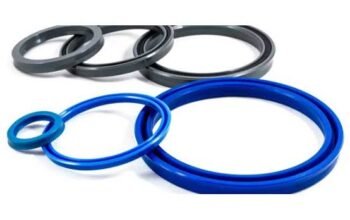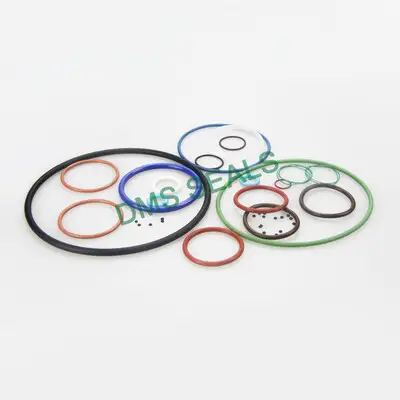
O-rings are essential components in industrial sealing systems, helping prevent fluid and gas leakage in equipment operating under different pressures, temperatures, and environmental conditions. From hydraulic machinery and automotive systems to chemical processing plants, these small components play a significant role in maintaining operational efficiency and equipment safety. Choosing the right supplier is therefore an important decision for businesses that depend on reliable sealing performance.
Selecting an experienced O-Ring Supplier involves more than comparing product prices. Businesses need to consider material quality, manufacturing standards, product availability, technical expertise, and the ability to meet specific application requirements. A dependable supplier can help reduce equipment downtime, prevent premature seal failure, and support long-term operational reliability.
Understand Your Industrial Sealing Requirements
Before evaluating suppliers, identify the specific requirements of your application. O-rings are used in a wide range of industrial environments, and selecting an unsuitable product can lead to leakage, deformation, or premature failure.
Consider the following factors:
- Operating temperature: Determine the minimum and maximum temperatures the seal must withstand.
- Pressure conditions: Understand the system’s operating pressure and whether pressure fluctuations are expected.
- Chemical exposure: Identify any oils, fuels, solvents, or chemicals that may come into contact with the seal.
- Movement and friction: Establish whether the O-ring will be used in static or dynamic sealing applications.
- Dimensional requirements: Confirm the required inside diameter, outside diameter, and cross-sectional thickness.
Having these details available makes it easier to communicate with potential suppliers and identify products that suit your operating conditions.
Evaluate Material Quality and Selection
Material selection is one of the most important aspects of O-ring performance. Different elastomers offer different levels of resistance to heat, chemicals, pressure, and environmental exposure.
A reliable supplier should provide multiple material options and explain their suitability for different applications.
Common O-Ring Materials
Some widely used materials include:
Nitrile Rubber (NBR): Commonly used in hydraulic systems, fuel handling, and general industrial applications because of its resistance to petroleum-based oils and fuels.
Fluorocarbon (FKM): Suitable for applications requiring resistance to higher temperatures, oils, fuels, and many aggressive chemicals.
Silicone (VMQ): Often selected for applications requiring flexibility across a wide temperature range. It is also used in food processing and medical-related equipment when the appropriate grade is specified.
Ethylene Propylene Diene Monomer (EPDM): Offers good resistance to water, steam, weathering, and many polar chemicals, making it useful in various industrial and outdoor applications.
Polytetrafluoroethylene (PTFE): Known for its chemical resistance and low friction. PTFE seals are used in demanding environments, although their mechanical properties differ from conventional elastomeric O-rings.
The right material depends on the complete operating environment rather than one performance characteristic alone.
Check Manufacturing Standards and Quality Control
Consistent manufacturing quality is essential for dependable sealing performance. Even small variations in dimensions or material composition can affect how an O-ring fits and functions.
When evaluating a supplier, ask about its quality assurance procedures and manufacturing capabilities.
Important considerations include:
- Dimensional inspection and tolerance control.
- Material traceability and batch identification.
- Testing for hardness and physical properties.
- Inspection for surface defects, cracks, and molding imperfections.
- Compliance with relevant industry standards and customer specifications.
Suppliers that follow documented quality control procedures can offer greater confidence in product consistency. Where an application requires specific certifications or regulatory compliance, request supporting documentation before placing an order.
Assess Product Range and Customization Capabilities
Industrial applications often require more than standard-sized O-rings. Specialized machinery may use uncommon dimensions, particular material grades, or seals designed for demanding operating conditions.
A capable supplier should offer a suitable range of standard sizes and materials while providing guidance on custom requirements where necessary.
Consider whether the supplier can accommodate:
- Metric and imperial dimensions.
- Different cross-sectional profiles and sizes.
- Custom-molded sealing components.
- Specialized elastomer compounds.
- High-temperature or chemically resistant materials.
- Small and large production quantities.
Access to a broad product range can simplify procurement and reduce the need to coordinate with multiple vendors.
Consider Technical Support and Industry Experience
Technical knowledge is another important factor when choosing an industrial sealing supplier. Product catalogs alone may not provide enough information to identify the best seal for a complex application.
An experienced supplier should be able to discuss operating conditions, material compatibility, installation requirements, and potential causes of sealing failure.
For example, an O-ring that performs well in a static hydraulic connection may not be suitable for a high-speed rotating application. Similarly, a material that resists mineral oils may deteriorate when exposed to certain chemicals.
Look for suppliers that can provide practical product recommendations, respond clearly to technical questions, and assist with selecting suitable alternatives when standard products are unavailable.
Review Product Availability and Delivery Reliability
In industrial environments, delayed replacement components can interrupt production and increase maintenance costs. For this reason, product availability and delivery performance should be part of the supplier evaluation process.
Check whether the supplier maintains inventory of commonly used sizes and materials. For specialized requirements, ask about manufacturing lead times and the availability of repeat orders.
Other useful considerations include:
- Order processing efficiency.
- Shipping options and delivery estimates.
- Inventory management support.
- Ability to handle urgent requirements.
- Consistency in fulfilling recurring orders.
A supplier with dependable logistics can help businesses maintain maintenance schedules and reduce the risk of unexpected equipment downtime.
Compare Pricing Beyond the Initial Purchase Cost
Price is an important purchasing consideration, but choosing the cheapest O-rings does not always provide the best long-term value.
Low-cost products made from unsuitable materials or inconsistent manufacturing processes may wear out quickly, resulting in repeated replacements and equipment maintenance expenses.
A more practical purchasing decision considers the total cost of ownership, including:
- Initial product cost.
- Expected service life.
- Replacement frequency.
- Installation and maintenance expenses.
- Potential losses caused by leakage or equipment downtime.
Comparing suppliers based on overall value helps businesses balance procurement budgets with operational reliability.
Check Customer Feedback and Supplier Reputation
A supplier’s reputation can provide useful insight into its reliability and business practices. Before making a long-term purchasing commitment, review available customer feedback and examine its experience serving industrial customers.
Pay attention to feedback related to product consistency, order accuracy, delivery performance, communication, and after-sales support.
You can also request product samples, technical datasheets, or references where appropriate. These steps help verify whether a supplier can meet your expectations before committing to larger orders.
Common Mistakes to Avoid When Choosing an O-Ring Supplier
Businesses sometimes focus on immediate purchasing needs without considering the technical and operational factors that affect long-term performance.
Some common mistakes include:
- Choosing based on price alone: Lower prices may come with compromises in material quality or dimensional consistency.
- Ignoring material compatibility: An unsuitable elastomer can deteriorate when exposed to specific chemicals, oils, or temperatures.
- Overlooking dimensional accuracy: Incorrect sizing can result in leakage, excessive compression, or installation problems.
- Failing to verify quality standards: Without proper quality checks, product performance may vary between batches.
- Ignoring delivery capabilities: Unreliable supply can disrupt maintenance schedules and production operations.
- Neglecting technical support: A lack of application guidance can lead to incorrect product selection and avoidable sealing failures.
Avoiding these mistakes can make the procurement process more efficient and improve the reliability of industrial sealing systems.
Conclusion
Choosing a reliable O-ring supplier requires careful evaluation of product quality, material selection, manufacturing standards, technical knowledge, and delivery capabilities. Each factor contributes to the overall performance and service life of industrial sealing components.
Rather than focusing exclusively on price, businesses should prioritize suppliers that understand application requirements and can provide consistent products backed by appropriate quality control. A well-informed supplier selection process helps minimize leakage risks, reduce maintenance costs, and maintain efficient industrial operations.