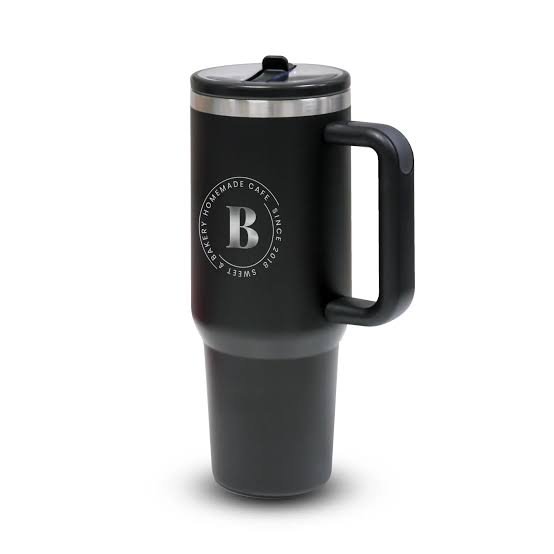
Businesses that purchase drinkware often have different ordering needs depending on their size, customer base, sales channels, and seasonal demand. A small retailer may need limited quantities to test a new product, while a wholesaler or distributor may require large shipments to maintain inventory. Promotional product companies may also need customized drinkware in specific quantities for individual campaigns. Suppliers that can accommodate these different requirements help businesses manage purchasing more effectively.
Working with a flexible Drinkware Supplier allows businesses to explore suitable order quantities, product variations, customization options, and delivery schedules. This flexibility can be especially valuable when market demand changes or purchasing budgets are limited. Understanding how suppliers handle different order requirements helps buyers establish practical sourcing arrangements and build stronger long-term relationships.
1. Accommodating Different Minimum Order Quantities
Minimum order quantity (MOQ) is one of the first considerations when purchasing drinkware. Some manufacturers require large orders because of production costs, material purchasing requirements, or manufacturing processes. However, these quantities may not be suitable for every business.
Flexible suppliers may offer different MOQ arrangements depending on product availability, customization requirements, and production capacity.
For example:
- Small retailers may need limited quantities to test customer demand.
- Online stores may prefer smaller orders when introducing new products.
- Wholesalers may require larger quantities for distribution.
- Corporate buyers may need specific quantities for promotional campaigns.
- Established brands may place recurring bulk orders.
Buyers should discuss MOQ requirements before confirming an order. They should also clarify whether minimum quantities apply to individual product designs, colors, sizes, or the total order.
2. Supporting Small and Large Business Buyers
Different businesses operate with different purchasing budgets and inventory requirements. A supplier that understands these differences can provide more practical ordering arrangements.
Small businesses often need manageable purchasing quantities because they have limited storage space and less predictable sales volumes. Larger companies may prioritize production capacity, competitive bulk pricing, and consistent product availability.
Suppliers can support these buyers by offering suitable product options, discussing order quantities, and explaining available production arrangements.
For smaller businesses, this flexibility can make it easier to introduce drinkware products without committing to excessive inventory. Larger buyers can benefit from production planning that supports regular replenishment and larger shipments.
3. Offering Multiple Product Styles and Variations
Drinkware collections often include several product categories, materials, capacities, colors, and designs. Businesses may want to purchase different variations instead of ordering a large quantity of one product.
A flexible supplier may help buyers coordinate orders involving:
- Stainless steel water bottles.
- Insulated tumblers.
- Travel mugs.
- Glass drinking bottles.
- Ceramic coffee mugs.
- Reusable plastic cups.
- Sports and promotional drinkware.
Some suppliers may allow multiple product variations within a purchasing arrangement, while others apply separate minimum quantities to each design.
Buyers should confirm these conditions before placing orders. Understanding how product variations affect pricing and production schedules helps prevent unexpected costs.
4. Providing Flexible Customization Options
Customization is important for businesses that want drinkware products to reflect their brand identity or meet specific customer preferences.
However, customized orders may involve additional production steps, artwork preparation, printing equipment, and setup costs. These requirements can affect minimum quantities and lead times.
Flexible suppliers may support different customization arrangements, including:
- Logo printing.
- Laser engraving.
- Custom product colors.
- Personalized designs.
- Different lid or accessory options.
- Branded packaging.
- Retail-ready gift boxes.
Buyers should discuss which options are available for smaller orders and which require higher quantities.
It is also useful to request a sample or digital mockup before approving customized production. This helps ensure that the final product matches the intended design.
5. Helping Businesses Manage Seasonal Demand
Demand for drinkware can change throughout the year. Water bottles and reusable tumblers may experience increased interest during warmer months, while travel mugs and insulated products may become more popular during colder seasons.
Promotional campaigns, holidays, sporting events, and corporate activities can also create temporary increases in demand.
Flexible ordering arrangements help businesses respond to these changes without purchasing more inventory than necessary.
Suppliers may support seasonal purchasing through:
- Advance production planning.
- Scheduled repeat orders.
- Flexible delivery arrangements.
- Availability updates.
- Product substitutions when appropriate.
- Discussions about stock replenishment.
Businesses should share their expected demand as early as possible so suppliers can assess material availability and production capacity.
6. Supporting Trial Orders for New Products
Introducing a new drinkware product involves uncertainty. Businesses may not know how customers will respond to a particular design, color, capacity, or material.
Trial orders provide an opportunity to test market interest before committing to larger quantities.
A supplier that supports manageable initial orders can help businesses:
- Select suitable product samples.
- Evaluate materials and construction.
- Test product functionality.
- Introduce limited quantities to customers.
- Collect customer feedback.
- Decide whether to place a larger reorder.
This approach can reduce inventory risk and provide useful information about product demand.
Before placing a trial order, buyers should confirm whether the pricing and production conditions will change for larger repeat purchases.
7. Offering Bulk Order Arrangements
While small orders are important for new businesses, bulk purchasing remains a common requirement for established retailers, distributors, and wholesalers.
Larger orders can sometimes reduce the average unit cost because production, packaging, and transportation expenses may be distributed across more products.
Flexible suppliers can support bulk purchasing by discussing:
- Production capacity.
- Volume-based pricing.
- Material availability.
- Manufacturing schedules.
- Packaging arrangements.
- Shipment planning.
Buyers should request a detailed quotation that explains the pricing structure and any additional charges.
It is also important to verify that the supplier can maintain consistent quality across the entire order. Large quantities should not lead to reduced inspection standards or unexpected material substitutions.
8. Allowing Mixed Orders and Product Combinations
Some businesses prefer to purchase several drinkware products in one order. For example, a retailer may want to combine water bottles, tumblers, and travel mugs to create a broader product selection.
Mixed orders can help businesses diversify their inventory and coordinate purchasing activities.
However, suppliers may have different rules for combining products. Minimum quantities may apply separately to each product category, color, or design.
Before placing a mixed order, buyers should clarify:
- Whether multiple product types can be combined.
- How minimum quantities are calculated.
- Whether different colors can share one order.
- How mixed products affect packaging.
- Whether all products can follow the same delivery schedule.
Clear communication helps buyers understand the practical limits of mixed ordering and avoid delays.
9. Providing Flexible Production and Delivery Schedules
Order flexibility is not limited to product quantities. Production and delivery schedules also influence purchasing decisions.
Businesses may have specific deadlines related to product launches, seasonal sales, promotional campaigns, or retail inventory replenishment.
A supplier should explain the expected timeline for material procurement, manufacturing, quality inspection, packaging, and shipment.
Flexible scheduling arrangements may include:
- Advance production bookings.
- Planned repeat manufacturing.
- Separate shipment arrangements.
- Coordinated delivery dates.
- Priority discussions for urgent orders, where feasible.
Buyers should avoid assuming that every urgent request can be accommodated. Production capacity, material availability, and transportation conditions all influence delivery schedules.
The most reliable approach is to agree on realistic timelines before confirming the purchase.
10. Helping Businesses Control Inventory and Cash Flow
Ordering excessive drinkware inventory can tie up working capital and increase storage expenses. On the other hand, purchasing too little can lead to stock shortages and missed sales opportunities.
Flexible ordering can help businesses balance these concerns.
For example, a retailer may begin with a smaller order to evaluate demand and then place repeat purchases as sales increase. A distributor may arrange scheduled replenishment based on customer requirements.
Useful inventory practices include:
- Monitoring product sales.
- Setting reorder points.
- Reviewing seasonal demand.
- Tracking supplier lead times.
- Maintaining suitable safety stock.
- Avoiding unnecessary product variations.
Buyers should also evaluate the total cost of smaller orders, since reduced quantities may result in higher unit prices or additional shipping expenses.
11. Supporting Private-Label and Promotional Drinkware Orders
Private-label brands and promotional product businesses often have specialized ordering requirements.
A private-label buyer may need a consistent product design, custom packaging, and branded components. A promotional company may require different logos, artwork, or quantities for separate customer campaigns.
Flexible suppliers can support these projects by explaining available production options and coordinating product specifications.
Important considerations include:
- Custom artwork requirements.
- Branding methods.
- Packaging specifications.
- Sample approval procedures.
- Production setup costs.
- Minimum quantities for each design.
- Delivery arrangements for multiple campaigns.
Buyers should provide clear artwork and product instructions before production begins. This helps suppliers assess feasibility and provide more accurate quotations.
12. Managing Repeat Orders and Product Replenishment
Repeat ordering is an important part of maintaining a stable drinkware business. Once a product becomes popular, businesses need a reliable way to replenish inventory without repeating the entire sourcing process.
Suppliers can support repeat purchases by maintaining clear product specifications and records of approved designs.
A useful repeat-order arrangement should cover:
- Product model and specifications.
- Approved material requirements.
- Color and finish details.
- Branding instructions.
- Packaging requirements.
- Previous order quantities.
- Expected production lead times.
Businesses should also confirm whether the supplier can maintain consistency between different manufacturing batches.
Keeping an approved reference sample can help buyers compare repeat orders with the original product.
13. Communicating Clearly About Pricing and Order Changes
Flexible orders can involve different costs depending on quantity, customization, materials, and production requirements.
For this reason, suppliers should explain pricing changes before buyers approve an order.
A quotation should ideally identify:
| Cost Factor | Why It Matters |
|---|---|
| Unit price | Determines the basic product cost |
| Minimum quantity | Establishes the smallest acceptable order |
| Customization charges | Covers printing, engraving, or design work |
| Tooling costs | May apply to special molds or components |
| Packaging costs | Covers individual or branded packaging |
| Shipping expenses | Influences the final delivered cost |
| Payment terms | Affects purchasing cash flow |
If a buyer changes the order quantity, product design, or delivery requirements, the supplier should provide an updated quotation and timeline.
Written confirmation helps both parties avoid disagreements.
14. Evaluating a Supplier’s Ability to Handle Flexible Orders
Not every supplier can accommodate every type of order. Buyers should assess flexibility as part of the supplier selection process.
Consider asking the following questions:
- What are the minimum quantities for standard and customized products?
- Can different drinkware styles or colors be combined?
- Are trial orders available?
- How does pricing change with different order volumes?
- Can the supplier support repeat orders?
- What production capacity is available?
- Can deliveries be arranged around specific business requirements?
- How are changes to confirmed orders handled?
The answers can help buyers understand whether a supplier’s capabilities match their purchasing plans.
It is also useful to begin with samples or a smaller order to evaluate product quality, communication, and delivery performance before developing a larger purchasing relationship.
15. Building a Long-Term Partnership Through Flexible Ordering
Flexible ordering can create value beyond individual transactions. As businesses grow, their requirements may change in terms of order quantities, product categories, customization, and delivery schedules.
A supplier that understands these developments can help buyers plan future purchases more effectively.
Long-term cooperation may support:
- Better production planning.
- More consistent product specifications.
- Improved inventory coordination.
- Easier introduction of new products.
- More predictable repeat orders.
- Clearer communication about market demand.
Businesses should review supplier performance regularly and discuss upcoming purchasing needs in advance. This helps both parties identify potential challenges and make suitable adjustments.
Conclusion
Flexible order requirements are an important consideration when sourcing drinkware for retail, wholesale, promotional, and private-label businesses. Different purchasing quantities, product variations, customization needs, and delivery schedules require suppliers to understand the operational priorities of their customers.
By offering suitable MOQ arrangements, supporting trial and bulk orders, coordinating mixed products, and maintaining clear communication, suppliers can help businesses manage inventory and purchasing costs more effectively.
Before choosing a supplier, buyers should evaluate production capacity, customization options, pricing structures, and repeat-order capabilities. A well-planned sourcing relationship makes it easier to respond to changing demand while maintaining product quality and reliable supply chain operations.