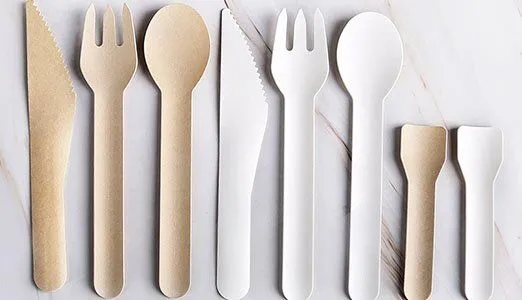
The food service industry has changed significantly as consumer lifestyles become busier and demand for convenient dining options continues to grow. Restaurants, cafés, catering companies, takeaway outlets, and food delivery businesses increasingly rely on disposable food service products to serve customers efficiently. Disposable cutlery plays an essential role in this environment by providing practical, hygienic, and easy-to-use solutions for different dining situations.
To keep pace with these changing needs, Disposable Cutlery Manufacturers are developing products that combine convenience, functionality, affordability, and improved material options. Their ability to support bulk orders, maintain consistent quality, and offer different product designs helps food businesses manage daily operations while meeting customer expectations.
Growing Demand for Convenient Food Service Products
Convenience has become a major factor influencing how people purchase and consume food. The popularity of takeaway meals, food delivery platforms, quick-service restaurants, and ready-to-eat products has increased the need for reliable disposable tableware.
Disposable forks, spoons, knives, and cutlery sets make it easier for businesses to serve customers without requiring the collection and washing of reusable utensils. They are particularly useful for outdoor events, workplace meals, catering services, and situations where traditional tableware may be impractical.
As demand expands, manufacturers must provide products that suit different business models, order volumes, and customer preferences.
Developing Products for Different Food Service Applications
Food service businesses have different requirements depending on the meals they offer and how they serve customers. Manufacturers respond by producing a variety of disposable cutlery styles and sizes.
For example, a takeaway restaurant may need compact cutlery sets that can be packed with individual meals, while a catering company may require larger quantities of coordinated forks, spoons, and knives for events.
Manufacturers support these needs through:
- Different cutlery types: Forks, spoons, knives, and complete utensil sets for various meals.
- Multiple sizes: Options designed for snacks, desserts, main courses, and other food applications.
- Practical designs: Comfortable shapes and functional structures that improve ease of use.
- Packaging choices: Individual wrapping and bulk packaging to accommodate different service environments.
This product variety allows businesses to select suitable utensils without compromising convenience or customer experience.
Maintaining Consistent Quality and Product Performance
Convenience alone is not enough to make disposable cutlery suitable for everyday food service. Products must also provide dependable performance during use.
Manufacturers focus on material selection, product design, production processes, and quality checks to maintain consistent standards. Cutlery should be appropriately strong for its intended application and comfortable for customers to handle.
For instance, utensils used for heavier meals may require greater strength than those designed for desserts or lightweight snacks. Manufacturers must consider these differences when developing products for commercial food service.
Consistent quality also helps businesses reduce customer complaints, avoid unnecessary replacements, and maintain confidence in the products they provide.
Supporting Large-Volume Orders and Business Operations
Restaurants, catering companies, and food distributors often need substantial quantities of disposable cutlery. Running out of essential utensils can interrupt service and create difficulties during busy periods.
Manufacturers help address this challenge by organizing production and supply according to business demand. Their capacity to handle larger orders can support wholesalers, distributors, restaurant groups, and other commercial buyers.
Reliable bulk supply offers several advantages:
- More predictable purchasing and inventory planning
- Fewer interruptions caused by stock shortages
- Opportunities to benefit from volume-based pricing
- Consistent product availability across multiple locations
- Simplified procurement for businesses with recurring requirements
Businesses should discuss minimum order quantities, production capacity, and delivery schedules before choosing a manufacturing partner.
Offering Cost-Effective Solutions
Managing operating expenses is important for food service businesses, particularly those that distribute large numbers of meals every day. Disposable cutlery is a recurring purchase, so even small differences in unit pricing can influence overall costs over time.
Manufacturers help businesses manage these expenses by offering different product specifications, packaging formats, and bulk purchasing options. Buyers can compare alternatives based on material, durability, quantity, and intended use.
However, the lowest unit price should not be the only consideration. Poor-quality utensils may bend or break during use, potentially leading to customer dissatisfaction and additional costs. Choosing products that balance affordability with reliable performance can provide better long-term value.
Responding to Sustainability Expectations
Environmental awareness is influencing purchasing decisions throughout the food service industry. Many businesses are exploring alternatives to conventional disposable cutlery as they respond to customer expectations and changing packaging requirements.
Depending on their capabilities, manufacturers may offer wooden, paper-based, or other alternative material options. Some products are also marketed as biodegradable or compostable, although businesses should verify the relevant certifications and disposal conditions before making environmental claims.
Manufacturers can contribute by improving material sourcing, evaluating production methods, and developing products that align with applicable environmental standards.
For food service buyers, the right choice depends on product performance, cost, local waste-management infrastructure, and relevant regulations.
Improving Manufacturing Efficiency and Product Innovation
Meeting growing demand requires manufacturers to continually improve how products are designed and produced. Efficient manufacturing processes help maintain output, control production costs, and support consistent product quality.
Technology and process improvements can contribute to more accurate production, better material utilization, and reduced manufacturing waste. Product development also allows manufacturers to respond to changing customer preferences, including demand for different shapes, sizes, materials, and packaging formats.
By investing in production capabilities and quality management, manufacturers can become more adaptable to the requirements of restaurants, distributors, and other commercial customers.
Helping Businesses Maintain Reliable Supply Chains
A dependable supply chain is essential for businesses that use disposable cutlery regularly. Manufacturers play an important role by coordinating raw material sourcing, production planning, inventory management, and order fulfillment.
Clear communication about lead times, stock availability, and order specifications helps buyers plan their purchases more effectively. It also allows businesses to prepare for seasonal demand, special events, and periods of increased customer activity.
When selecting a manufacturing partner, buyers should evaluate production capacity, delivery performance, communication, and the ability to accommodate repeat orders. A reliable supplier relationship can make procurement more predictable and reduce operational uncertainty.
Choosing the Right Manufacturing Partner
Finding a suitable manufacturer requires businesses to consider more than product availability. The right partner should understand commercial requirements and provide products that meet the expected standards for quality, cost, and convenience.
Before making a decision, businesses should review:
- Product range: Check whether the manufacturer offers the cutlery types, materials, and packaging formats required.
- Quality standards: Ask about material specifications, production controls, and sample availability.
- Production capacity: Confirm whether the manufacturer can handle current and future order volumes.
- Pricing structure: Compare unit costs, minimum quantities, and additional charges.
- Delivery arrangements: Review lead times, shipping options, and order fulfillment procedures.
- Customer support: Assess how effectively the manufacturer responds to questions and resolves issues.
A careful evaluation helps businesses select a manufacturing partner that can support both immediate purchasing needs and long-term growth.
Conclusion
The growing demand for convenient food service products has made disposable cutlery an important part of modern dining operations. Manufacturers meet this demand by developing practical product ranges, maintaining quality standards, supporting bulk orders, and exploring more sustainable material options.
For restaurants, catering companies, takeaway businesses, and distributors, choosing the right manufacturing partner can improve purchasing efficiency and help maintain consistent service. By focusing on product performance, cost effectiveness, production capacity, and supply reliability, businesses can secure disposable cutlery solutions that meet evolving food service requirements.