Zebras are among the most recognizable animals in the African savanna, known for their distinctive black-and-white stripes, social behavior, and graceful movement. Their striking appearance makes them popular subjects for wildlife exhibitions, educational attractions, zoos, and themed entertainment environments. However, displaying live animals is not always practical, particularly in indoor venues or locations where space, animal welfare, and operating requirements must be carefully managed.
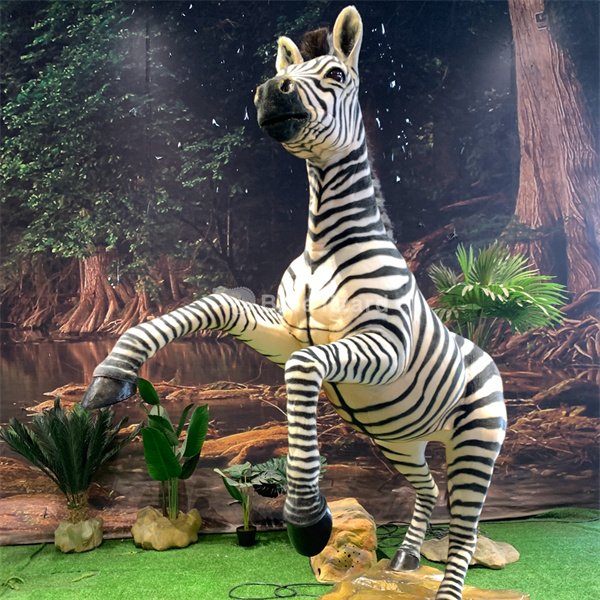
An Animatronic Zebra offers an effective alternative by combining lifelike appearance with mechanical movement and carefully designed sound effects. These models can reproduce recognizable animal behaviors, such as turning the head, moving the neck, opening the mouth, or shifting the body. By presenting wildlife in a controlled environment, animatronic zebras help attractions create engaging experiences while introducing visitors to the characteristics and natural habitats of these fascinating animals.
What Makes Animatronic Zebra Models Special?
Animatronic zebras combine sculptural craftsmanship, mechanical engineering, and visual design. Unlike static animal figures, they can perform programmed movements that make displays feel more dynamic and lifelike.
Several features contribute to their appeal:
- Recognizable appearance: Carefully reproduced stripes, body proportions, facial details, and mane structures help visitors identify the animal.
- Mechanical movement: Moving heads, ears, mouths, and necks create a more realistic presentation.
- Sound effects: Optional animal sounds can strengthen the atmosphere of a wildlife-themed environment.
- Customizable designs: Different sizes, poses, and movement functions can suit various exhibition requirements.
- Indoor and outdoor applications: Models can be designed with materials and finishes appropriate for different installation environments.
These characteristics make animatronic zebras useful for both educational displays and entertainment-focused attractions.
Realistic Design Features of Animatronic Zebras
A convincing animatronic zebra requires attention to both anatomical accuracy and surface detailing. Since the animal’s appearance is defined by distinctive physical features, even small design decisions can influence the overall result.
Accurate Stripe Patterns
The zebra’s black-and-white coat is its most recognizable feature. Each animal has a distinctive stripe arrangement, so manufacturers must carefully reproduce the pattern across the body, neck, legs, and face.
Well-applied markings follow the animal’s natural contours rather than appearing like simple decorative lines. This helps maintain a consistent appearance from different viewing angles.
Detailed Facial Features
The head plays an important role in creating a lifelike model. Realistic eyes, ears, nostrils, muzzle shapes, and facial markings contribute to the animal’s expression.
Some models include moving ears, blinking eyes, or mouth movements to make the display more engaging.
Natural Body Proportions
A realistic zebra model should reflect the animal’s muscular body, long legs, upright mane, and characteristic posture. Accurate proportions help distinguish zebras from other equine species.
Manufacturers may create standing, walking, grazing, or alert poses depending on the intended exhibition theme.
Textured Surface Finishes
Surface texture can add depth to the model’s appearance. Carefully selected materials and finishing techniques help reproduce the visual characteristics of the animal’s coat, mane, and facial areas.
The quality of the finishing process is especially important for models displayed under bright exhibition lighting or in outdoor environments.
How Animatronic Movement Creates a More Immersive Experience
Movement is one of the main advantages of animatronic wildlife models. It introduces visual activity that can attract visitors and make an exhibition feel more realistic.
Depending on the design, an animatronic zebra may feature:
- Head movement from side to side.
- Neck movement that imitates grazing or alert behavior.
- Mouth opening and closing.
- Ear movement to suggest awareness.
- Tail movement.
- Body movement that simulates breathing.
- Coordinated sounds and motion.
Not every model includes all these functions. The available movements depend on the mechanical system, intended budget, and level of customization.
Smooth, coordinated movement is particularly important. Sudden or poorly synchronized actions can reduce realism, while carefully programmed sequences create a more natural presentation.
Applications in Wildlife Displays and Interactive Exhibitions
Animatronic zebra models can be installed in many types of venues. Their visual appeal and educational potential make them suitable for different audiences and exhibition formats.
Zoos and Wildlife Parks
Wildlife parks can use animatronic zebras in educational zones, indoor interpretation centers, and themed displays. Models can help visitors observe animal features without requiring a live-animal installation in every exhibition area.
They may also be incorporated into savanna-themed environments alongside artificial grass, rocks, trees, and other animal sculptures.
Natural History Museums
Museums can use animatronic zebras to explain animal anatomy, adaptation, and biodiversity. A moving model can make a wildlife exhibit more engaging than a static illustration or information panel alone.
Exhibition designers may combine the model with educational displays about zebra habitats, feeding habits, social groups, and conservation.
Theme Parks
Theme parks often use realistic animal figures to create immersive environments. A zebra model can become part of an African safari zone, adventure trail, or nature-themed attraction.
When combined with suitable scenery and sound effects, it helps establish a consistent visual theme.
Shopping Malls and Family Attractions
Shopping centers can incorporate animatronic wildlife models into seasonal exhibitions, children’s activity areas, and promotional displays.
Their distinctive appearance can attract attention, provide photography opportunities, and create memorable experiences for families.
Educational Centers and Schools
Schools and educational centers may use smaller animatronic models to introduce children to wildlife and animal behavior. Teachers can use the displays to discuss habitats, herbivores, animal adaptations, and the importance of biodiversity.
Educational Benefits of Animatronic Zebra Exhibitions
Beyond entertainment, animatronic zebras can support learning by presenting information in a visually accessible format.
Introducing Zebra Anatomy
A life-size model gives visitors a clear view of the animal’s body structure. Exhibition guides can explain the purpose of its long legs, hooves, ears, mane, and specialized teeth.
This makes the model a useful teaching aid for basic zoology and wildlife studies.
Explaining Natural Behavior
Zebras live in social groups and display recognizable behaviors, including grazing, alert observation, and communication. Carefully designed movement sequences can help illustrate selected aspects of these behaviors.
Educational panels can provide additional context so visitors understand the difference between programmed model movements and actual animal behavior.
Exploring Habitat and Ecology
Zebras are associated with grasslands and savanna ecosystems. Their exhibitions can introduce topics such as grazing patterns, predator-prey relationships, seasonal migration, and habitat conservation.
A themed setting with suitable vegetation and background information can help visitors understand the animal’s place within its ecosystem.
Encouraging Wildlife Awareness
Interactive wildlife displays can encourage visitors to learn about habitat protection and biodiversity. They also provide opportunities to discuss the challenges facing wild animal populations and the importance of responsible conservation practices.
Materials and Technology Used in Manufacturing
The construction of an animatronic zebra involves several materials and technical systems. Choosing appropriate components helps determine the model’s appearance, durability, and movement performance.
Fiberglass and Resin
Fiberglass is frequently used for large decorative models because it can be shaped into complex forms while remaining relatively lightweight. Resin-based materials may also be used for selected components and detailed surface work.
These materials support the reproduction of anatomical shapes and detailed exterior finishes.
Internal Metal Framework
A structural framework supports the model and provides mounting points for mechanical components. Larger models may require reinforced internal structures to manage their weight and movement.
The framework should be designed according to the model’s size, operating requirements, and installation conditions.
Motors and Mechanical Components
Electric motors, linkages, gears, and control systems work together to create movement. The selection of these components depends on the required range, speed, frequency, and complexity of motion.
Reliable components and suitable mechanical design help reduce unnecessary vibration and wear.
Electronic Control Systems
Control systems coordinate movement sequences and, where included, sound effects. Some models use programmed cycles, while more advanced installations may incorporate sensors or visitor-triggered responses.
The operating interface should be appropriate for the venue’s staff and maintenance capabilities.
Important Factors When Choosing an Animatronic Zebra
Selecting the right model requires more than comparing appearance and price. Buyers should consider how the sculpture will be used, where it will be installed, and what level of interaction is required.
Consider the following factors:
- Purpose of the display: Decide whether the model is intended for education, decoration, entertainment, or a combination of these uses.
- Model size: Choose dimensions that suit the available space and expected viewing distance.
- Movement functions: Identify the movements that will contribute most to the exhibition experience.
- Appearance and detail: Examine stripe patterns, facial features, body proportions, and surface finishing.
- Material suitability: Confirm that the construction materials are appropriate for the installation environment.
- Control requirements: Understand how movements are programmed, activated, and adjusted.
- Maintenance support: Ask about access to mechanical components, recommended inspections, and replacement parts.
- Installation planning: Consider transportation, mounting, electrical connections, and visitor safety.
A clear understanding of these requirements can help buyers select a model that meets both practical and creative objectives.
Indoor and Outdoor Installation Considerations
The installation environment has a direct effect on an animatronic zebra’s long-term performance.
Indoor Installations
Indoor models are often used in museums, shopping malls, educational centers, and exhibition halls. Lighting, visitor circulation, ceiling height, and available electrical connections should be considered before installation.
Since visitors may approach the model closely, moving parts and mechanical access areas should be properly protected.
Outdoor Installations
Outdoor displays need additional protection against environmental exposure. Rain, humidity, sunlight, dust, and temperature changes can affect exterior finishes and mechanical components.
Suitable weather-resistant materials, protective coatings, drainage arrangements, and covered electrical connections can help improve durability. Regular inspections are also important, particularly after severe weather.
Regardless of location, the model should be installed on a stable foundation with suitable support and safety measures.
Maintenance Practices for Long-Term Performance
Routine maintenance helps preserve the appearance and functionality of animatronic wildlife models. The required schedule depends on operating frequency, environmental conditions, and mechanical complexity.
Recommended practices include:
- Cleaning exterior surfaces with suitable products.
- Inspecting paintwork and protective coatings.
- Checking mounting points and structural connections.
- Examining motors, gears, and moving joints.
- Inspecting electrical wiring and control components.
- Listening for unusual mechanical noise.
- Testing movement sequences regularly.
- Following the manufacturer’s maintenance instructions.
For models installed in public attractions, staff should also check that moving parts remain properly guarded and that visitors cannot access restricted mechanical areas.
Combining Animatronic Zebras with Themed Environments
The overall impact of an animatronic zebra depends partly on the environment surrounding it. A carefully designed setting can make the model feel like part of a larger wildlife scene.
For example, an African savanna exhibition might include artificial grass, rock formations, decorative trees, background sound, and additional animal figures. Educational signs can explain the habitat and the relationships between different species.
Lighting can also influence how visitors experience the display. Natural-looking illumination may emphasize the zebra’s stripe patterns, while carefully positioned spotlights can make the model stand out in an indoor exhibition.
Interactive screens and audio guides provide further opportunities to share information without overcrowding the physical display.
Why Animatronic Zebras Are a Valuable Investment for Attractions
Animatronic zebras offer a combination of visual impact, repeatable performance, and educational flexibility. Unlike live-animal displays, they do not require animal feeding, veterinary care, or habitat management, although they still need appropriate mechanical maintenance and safe operation.
Their appearance can remain consistent throughout an exhibition, and movement sequences can be programmed to suit opening hours, visitor activities, or special events.
For attractions seeking to create memorable wildlife-themed experiences, these models can serve as central display features or as part of a larger collection of animatronic animals.
Conclusion
Animatronic zebra models are effective additions to wildlife displays, museums, theme parks, shopping centers, and interactive educational exhibitions. Their distinctive stripe patterns, realistic body structures, and programmable movements help bring wildlife themes to life while providing opportunities to introduce visitors to zebra anatomy, behavior, and natural habitats.
Successful installations depend on thoughtful model selection, quality construction, suitable movement systems, safe placement, and regular maintenance. When these elements are carefully managed, animatronic zebras can create engaging and informative experiences that appeal to children, families, and wildlife enthusiasts alike.