Philodendrons have become increasingly popular among houseplant enthusiasts, collectors, and commercial growers because of their attractive foliage, diverse varieties, and adaptability to indoor environments. From colorful variegated leaves to large tropical foliage, these plants offer considerable ornamental value. As demand continues to grow, efficient propagation methods are becoming more important for maintaining a reliable supply of healthy plants.
One method gaining attention in modern horticulture is Tissue Culture Philodendron propagation. This laboratory-based technique allows growers to produce multiple young plants from small sections of parent plant tissue under controlled conditions. Compared with conventional propagation, it offers several advantages related to production efficiency, plant availability, and consistency.
What Is Tissue Culture Propagation in Philodendrons?
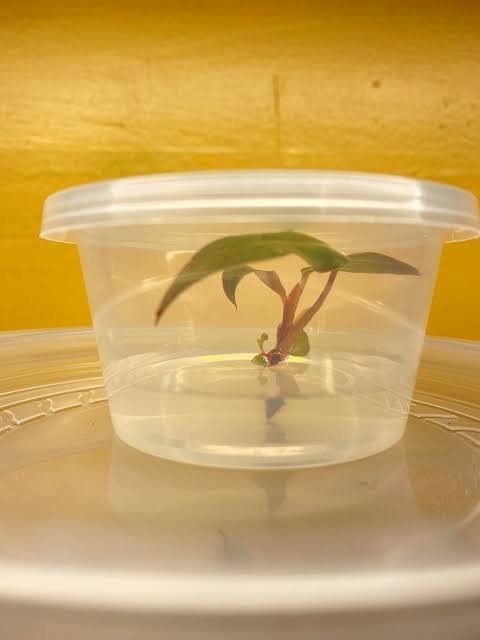
Tissue culture, also known as micropropagation, is a plant propagation technique that uses small pieces of plant material to develop new plants in a sterile laboratory environment. These pieces, commonly called explants, are placed in specially prepared nutrient media containing minerals, vitamins, sugars, and plant growth regulators.
Under suitable conditions, the plant cells develop into shoots and roots. The resulting plantlets are gradually transferred from laboratory containers to growing media, where they adapt to normal nursery conditions.
For Philodendrons, this method provides an opportunity to multiply desirable varieties efficiently while reducing dependence on traditional stem cuttings and other conventional propagation techniques.
Major Benefits of Growing Philodendron Plants Through Tissue Culture
Tissue culture offers several practical advantages for nurseries, commercial growers, and plant enthusiasts. Its benefits extend beyond simply producing more plants.
1. Faster and More Efficient Plant Multiplication
One of the main advantages of tissue culture is its ability to produce numerous plantlets from a relatively small amount of starting material.
Traditional propagation may require mature stems, suitable nodes, and sufficient space for individual cuttings. Tissue culture allows laboratories to multiply selected plant material through repeated shoot development under controlled conditions.
This makes the technique particularly useful for growers who need larger quantities of Philodendrons within organized production schedules.
2. Consistent Plant Characteristics
Commercial nurseries often need plants with relatively uniform leaf shapes, growth habits, and other desirable characteristics. Tissue culture can help achieve this by multiplying selected plant material through established laboratory protocols.
When appropriate explants and reliable propagation procedures are used, the resulting plants can maintain many of the characteristics of their parent material.
However, genetic or developmental variations can occasionally occur, particularly in some complex or variegated varieties.
3. Better Availability of Popular Varieties
Some Philodendron varieties are difficult to multiply quickly through conventional methods. Limited parent plant material and slow growth can make it challenging for nurseries to maintain sufficient inventory.
Tissue culture helps address this challenge by supporting larger-scale propagation.
Popular varieties such as Philodendron Pink Princess, White Princess, White Knight, Birkin, and Melanochrysum can attract considerable interest among collectors. Efficient propagation methods can help improve their availability in the ornamental plant market.
4. Efficient Use of Growing Space
Traditional propagation often requires numerous individual pots, containers, and nursery areas. Tissue culture initially takes place in relatively compact laboratory containers, allowing many plantlets to develop within a limited space.
This can help commercial growers organize production more efficiently, especially when managing several varieties simultaneously.
Once plantlets are ready for acclimatization, they can be transferred into nursery trays or individual containers according to their growth requirements.
5. Potentially Cleaner Planting Material
Sterile laboratory conditions help reduce exposure to many common contaminants during the propagation process.
Plant tissue is carefully sterilized before being introduced into nutrient media, while equipment and working surfaces must remain clean throughout production.
When properly managed, this approach can reduce the likelihood of transferring certain pests and pathogens. However, tissue culture plants still require inspection and hygienic handling because contamination can occur during laboratory work or after transfer.
6. Year-Round Production Opportunities
Outdoor propagation can be influenced by seasonal temperatures, changing weather, and environmental conditions. Laboratory environments provide greater control over factors such as lighting, temperature, and nutrient availability.
This allows growers to maintain propagation activities throughout the year rather than depending entirely on favorable outdoor conditions.
Although production rates vary between varieties and protocols, controlled propagation can support more predictable nursery planning.
7. Reduced Dependence on Mature Parent Plants
Producing large quantities of Philodendrons through stem cuttings often requires maintaining a considerable collection of mature parent plants.
Tissue culture can multiply selected plant material from relatively small explants, reducing the amount of mature stock needed solely for propagation.
This can be particularly beneficial when working with rare varieties or plants that grow slowly.
8. Greater Opportunities for Commercial Expansion
The ability to produce larger quantities of plants can help nurseries respond to changing market demand. Commercial growers may use tissue culture to expand their product ranges, maintain inventory, and serve different customer segments.
It can also make it easier to plan production quantities for wholesale distribution, provided that laboratory capacity, acclimatization facilities, and shipping arrangements are properly managed.