The right bathroom fixture should fit the room without making everyday activities feel restricted. This balance can be challenging when a bathroom needs to accommodate a shower, toilet, vanity, and a dedicated place for ablution. A basin that is too large may reduce circulation space, while one that is too small may not provide a comfortable washing area. Choosing carefully means considering the dimensions of the room and the needs of its regular users together.
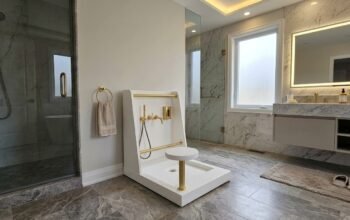
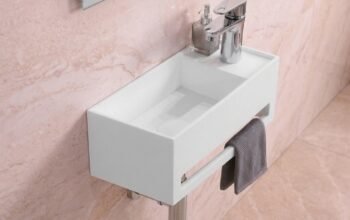
When comparing products, a bathroom Wudu basin should offer an appropriate washing arrangement without overwhelming the available space. Some designs have a lower section for foot washing, while others use a wider or contoured bowl. Each configuration has different space requirements, so buyers should examine the product’s internal and external dimensions before deciding.
Measure the Room and the Approach Area
Start with a floor plan showing the available wall space and the position of existing fixtures. Measure the width, depth, and height of the proposed location. Also check the door swing, shower screen, vanity drawers, and any cabinets that may affect access.
A common mistake is measuring only the basin’s footprint. The person using it needs space in front to stand and move naturally. If the approach area is narrow, even a compact product may be inconvenient. Leave enough clearance for users to reach the tap and change position without hitting nearby fittings.
Find a Suitable Balance Between Size and Function
A larger bowl may offer more room for rinsing, but it can occupy valuable floor space. A compact model may be easier to fit, yet its internal dimensions must still accommodate the intended washing movements. The goal is not to select the smallest available product; it is to choose one that provides enough usable room for its users.
If the design includes a lower foot-washing section, check its height, width, and accessibility. Some households may prefer this arrangement, while others may find a broad bowl more suitable. Comparing technical drawings can help reveal differences that are not obvious in product photographs.
Consider the Needs of Different Users
A family bathroom may serve adults, children, and older relatives. Their heights and mobility levels can vary, so the basin should not be selected for only one person. Tap controls need to be within comfortable reach, and the washing area should not require excessive bending or stretching.
If a household member has specific mobility needs, consider the whole approach area, not just the fixture height. A qualified designer or accessibility professional can advise on suitable clearances and support arrangements where required.
Select an Installation Style That Saves Space
Wall-mounted models can make a bathroom appear more open because the floor beneath remains visible. They may also simplify cleaning, although the supporting wall must be strong enough for the product and its mounting system.
Floor-supported designs may suit rooms where wall reinforcement is impractical or where the existing plumbing is arranged for this type of fixture. Check the base dimensions and how they affect movement around the basin. The choice should reflect the building’s structure and installation conditions.
Review Material and Cleaning Requirements
Ceramic and solid-surface basins are common bathroom options. Their appearance and maintenance characteristics vary, so ask the supplier for product-specific information. Check which cleaners are recommended and whether the surface needs special treatment.
A simple bowl shape with accessible corners can make routine cleaning easier. Consider the area around the tap, drain, and wall connection, since residue can collect in hard-to-reach places. The finish should suit the household’s ability to maintain it regularly.
Plan the Plumbing Before Ordering
Confirm the tap arrangement, water supply, waste outlet, and mounting requirements. A basin may need different connections from those already installed. A plumber can assess whether existing pipework can be used and identify any changes before the product arrives.
Drainage and flooring also affect comfort. The basin should empty efficiently, while the surrounding floor needs suitable slip resistance and sealed joints. Good ventilation helps the room dry after use.
Include the Full Cost in Your Decision
Compare the basin price with the cost of taps, waste fittings, delivery, mounting hardware, plumbing changes, waterproofing, and labour. Warranty terms and access to replacement components can also influence long-term value.
Make Space and Comfort Work Together
A well-chosen basin should fit the room while giving users enough space to wash comfortably. Measuring carefully, checking the washing area, and confirming installation requirements can help homeowners avoid compromises. The result should be a fixture that supports ablution without making the bathroom feel crowded.