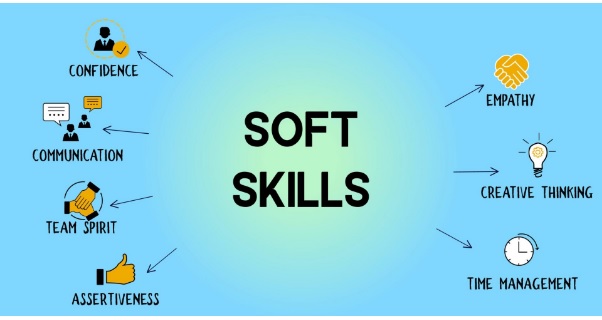
Training in soft skills is now more accessible than ever thanks to the internet. Organizations and individuals may locate hundreds of courses that promise to enhance teamwork, emotional intelligence, leadership, and communication, along with more with just a few clicks. Yet there is a great danger with all this choice: wrong decisions. Many individuals have signed up for soft skills training courses online with good intentions, but then find out that their time is wasted, that nothing has changed for them as a result of the training, etc.
- Overlooking the Credentials and Experience Behind the Course
Not all online courses are created by individuals who are truly knowledgeable about the subjects they are teaching. It is remarkably simple to package content in an appealing way in the digital learning environment without the expert depth to support it. Many students just pay attention to the course outline and cost, completely ignoring the facilitator’s background. This is an expensive oversight. The strength of a course depends on the knowledge and practical experience that underpin it. Before making a commitment, spend some time learning about the program’s creator, their practical experience, and whether or not their knowledge is based on real work experience.
- Prioritising Low Cost Over Long-Term Learning Value
Budgetary concerns are perfectly reasonable, but choosing online training based only on cost is one of the most frequent and detrimental errors. A less expensive course that doesn’t result in long-term behavioral change isn’t a save. Time, money, and the associated potential are all wasted. Careful planning, and excellent facilitation, in addition to relevant content are all necessary for truly successful soft skills training, yet they all come at a real expense. When weighing your alternatives, pay more attention to the value a course offers over time than to the price at the time of purchase.
- Ignoring Whether the Course Includes Any Practical Learning Elements
Reading slides and watching videos are not enough to improve soft skills. However, pre-recorded lectures, written modules, and quick knowledge-check tests that assess memory rather than true comprehension make up the majority of online courses. After completing these courses, students frequently have a general understanding of concepts but little practical application of those concepts. Prior to choosing any online program, make sure it has active learning components, such as scenarios to work through, reflective exercises, discussion opportunities, or assignments that call for the learner to apply along with really practising the skill.
- Failing to Check Whether the Course Fits Into Real Working Life
The effectiveness of online training depends on the participants’ ability to finish it without experiencing further stress. Many organizations select courses without taking into account how realistically their staff can participate in them in addition to their current workloads and duties. Employee engagement will drastically decline after the first session if a program requires lengthy, continuous blocks of time that they just do not have. The greatest online soft skills courses are made with flexibility in mind; they are divided into small chunks that may accommodate the demands of a typical workday without needing the learner to make superhuman scheduling decisions.
Conclusion
The option of which online soft skills course to enroll in is more important than it might seem. The errors described here are neither uncommon nor exceptional; they occur frequently in organizations of all sizes and always result in training that is expensive and time-consuming yet produces very little tangible improvement. It doesn’t take a lot of money or investigation to avoid these traps. The best online soft skills training courses necessitates a thorough comprehension of the true needs of your team, a readiness to look past outward appearances, and the self-control to weigh possibilities using sincerity in addition to useful standards.