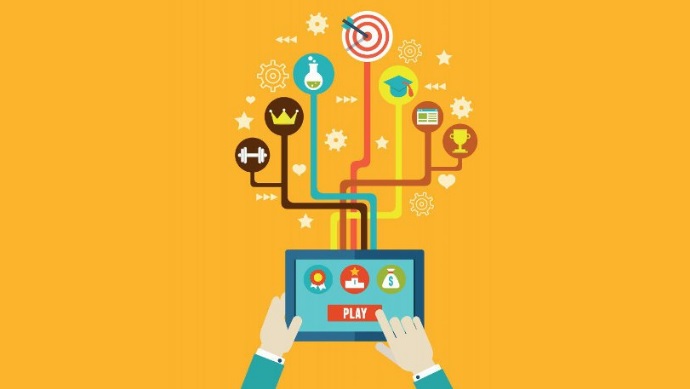
Classrooms continue to evolve through innovative approaches and modern learning tools. Learners find their classes more enjoyable due to their active participation. The introduction of game based learning platforms introduces elements such as storylines, achievements, leveling, and other interesting aspects into daily learning sessions. These systems ensure that the process remains interesting while also acquiring useful information. The teacher receives feedback about the learning process from live reports and activity scores.
- Smart Paths for Every Learner: Learners have their own way of comprehending things and their own pace of learning things. Learning technology uses analysis of the answers, time taken, and performance patterns of each session. The learning technology prepares content for learners according to their skill set. Learners who learn quickly get challenging tasks, while developing learners get help with tasks. This helps in maintaining motivation all along.
- Rewards That Build Daily Interest: Appreciation is something both children and adults will always enjoy throughout their entire learning process. The game systems will reward stars, badges, scores, and a progress bar after successfully accomplishing a task. This creates a sense of enjoyment and encourages frequent involvement in classroom lessons. Individuals take pride in themselves after accomplishing certain objectives in the process of learning. Minor achievements keep individuals concentrated on hard concepts.
- Stories Make Topics Easy: An interesting story captures the interest and makes learning more understandable for students. Many educational programs employ the use of characters, quests, and adventures to simplify hard topics. The learner gets attached to the adventure and keeps pursuing every step of the way with enthusiasm. Concepts like mathematics, science, language, and history get made easy using visual storytelling and quests. Learners have an excellent grasp of ideas thanks to the emotional connection created by stories.
- Feedback Improves Growth: Fast feedback aids the learners in learning without any form of confusion or delay. The personalized platform is capable of showing the right answers and tips on how to improve at any given time while performing tasks. The learner will be in a position to identify their weaknesses immediately and engage in the process again with more confidence. There are also reports given to the teacher about the progress made by each student.
- Growth of Digital Learning Across India: Various schools and institutions keep searching for innovative educational technology in numerous cities. Game based learning platforms in India ensure personalized learning by using interactive games, tests, and quizzes. Students, irrespective of their background, get an equal chance to learn skills via mobile phones and computers. Moreover, various teachers make use of gaming components as part of traditional learning to encourage class participation.
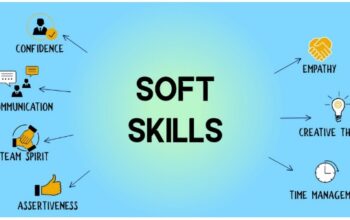
- Confidence Building through Suitable Challenges: A personalized learning strategy exposes the learners to various challenges depending on their level of expertise. The learners undertake tasks at their own comfortable pace, hence, ensuring that they excel in all the tasks. This ensures that the learners have confidence since they will be consistently succeeding in their work. They get motivated to try new things and answer questions.
In conclusion, technology is still impacting the field of education through interaction and personalization. The game based learning programs ensure that the learners have fun learning and develop focus, creativity, and engagement. Teachers also benefit from the data and reports on how the students perform in class. Both parents and teachers acknowledge the achievements since learning activities are both fun and engaging for the learners. This makes the learners enthusiastic about other future learning engagements.