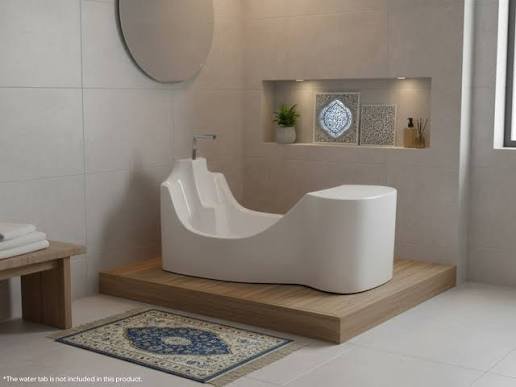
A bathroom sink is generally designed for everyday tasks such as washing hands, brushing teeth, and cleaning small items. A wudu sink, however, serves a more specific purpose in Muslim households and prayer spaces. It is designed to make wudu, the ritual ablution performed before prayer, more convenient, comfortable, and practical.
Although both fixtures provide access to water, their design, dimensions, and intended use can differ significantly. Understanding these differences helps homeowners, architects, and facility managers choose a suitable option for bathrooms, mosques, and dedicated prayer rooms. A well-planned Muslim Wudu Sink can support the practical requirements of ablution while fitting naturally into the surrounding interior.
1. Purpose and Everyday Function
The main difference between a wudu sink and a regular bathroom sink is their intended function. A standard sink is usually designed for general personal hygiene, while a wudu sink is planned around the sequence of washing body parts during ablution.
Wudu commonly involves washing the hands, mouth, nose, face, arms, and feet, along with wiping the head and washing the ears according to the applicable practice. A suitable fixture should provide enough room and a comfortable position for these activities.
A regular sink may work for some parts of ablution, but its shape or height might make washing the feet uncomfortable or cause excessive splashing. A purpose-designed wudu station can help address these practical limitations.
2. Height and Accessibility
Height is an important consideration when comparing these two fixtures. Most standard bathroom sinks are positioned for handwashing and face-level activities. Their height may not be convenient for users who need to wash their feet without awkward bending or lifting.
Wudu sinks may use a lower washing area, a dedicated foot-washing section, or a design that allows users to sit comfortably while performing ablution. The most suitable arrangement depends on the intended users, available floor space, and installation requirements.
For shared facilities, accessibility should be considered from the beginning. A design that accommodates different heights, ages, and mobility levels can make the washing area more comfortable and inclusive.
3. Basin Shape and Water Management
Regular bathroom sinks come in many shapes, including round, oval, rectangular, and square designs. Their main priority is usually to provide a convenient bowl for everyday washing.
Wudu sinks may feature deeper basins, angled surfaces, integrated footrests, or specially shaped washing areas. These features can help users position their feet and direct water toward the drain more effectively.
Water management is especially important in bathrooms and prayer areas, where wet floors can create slipping hazards. A well-designed wudu station should include suitable drainage, splash control, and water-resistant surrounding surfaces. The basin should also be easy to clean so that standing water and residue do not accumulate.
4. Comfort During Ablution
Comfort is another important difference. A regular sink is often used for short tasks that require users to stand for only a brief period. Ablution involves several steps, so the position of the basin and the user’s posture can have a greater effect on the experience.
A dedicated wudu fixture may provide more space for movement, a suitable washing height, or a seating option. These details can be especially helpful for older adults and people who find prolonged standing or bending difficult.
When selecting a sink, consider how users will approach it, where they will place their feet, and whether they can reach the water controls comfortably. A practical layout can improve the overall experience without making the room unnecessarily complicated.
5. Installation and Plumbing Requirements
A regular bathroom sink typically connects to a water supply and a drain positioned according to standard plumbing arrangements. A wudu sink may require additional planning, particularly if it includes a separate foot-washing area, built-in seating, or a specialized drainage layout.
Before installation, measure the available space and confirm the required water supply, drain location, pipe access, and floor protection. The plumbing system should be designed to manage the expected water flow and prevent leakage.
Floor drainage may be useful in certain dedicated ablution areas, especially in mosques or shared facilities. However, its necessity depends on the fixture design, local plumbing regulations, and the way the space will be used. A qualified plumber can help determine the most appropriate setup.
6. Hygiene and Maintenance
Both regular sinks and wudu sinks need routine cleaning, but their maintenance needs can differ according to their shape and use. A dedicated ablution station may experience more water exposure around the basin, floor, and nearby walls.
Choose materials that resist moisture, stains, and frequent cleaning. Smooth, nonporous surfaces are often practical because they are easier to wipe down and less likely to retain residue. The drain should remain accessible for cleaning, and the faucet should be easy to operate without excessive force.
In shared environments, maintenance routines should include checking for leaks, removing buildup around taps, cleaning drainage areas, and drying surfaces where water tends to collect. Regular inspections can help preserve the fixture’s appearance and reduce potential hygiene problems.
7. Design and Space Requirements
A regular bathroom sink is often selected to match the bathroom’s overall style. A wudu sink must also consider its intended use and the amount of room needed for comfortable movement.
Wall-mounted models can help save floor space and make cleaning beneath the fixture easier. Corner designs may suit compact bathrooms, while larger installations can include separate washing positions for facilities serving many people.
In homes, a dedicated wudu area can be integrated into an existing bathroom or placed near a prayer room, depending on the layout. In mosques and Islamic centers, designers should consider user flow, privacy, durability, and the number of people expected to use the facility during busy periods.
A thoughtful design can combine practical functionality with a clean, modern appearance. The fixture does not need to look institutional; it can complement the interior while meeting the specific requirements of ablution.
8. Cost and Long-Term Value
A regular bathroom sink may cost less initially because it is widely available and often requires a straightforward installation. A specialized wudu sink can involve a higher initial cost if it includes additional features, custom dimensions, seating, or more complex plumbing.
However, price should not be the only consideration. The total cost also depends on installation labor, water management, cleaning requirements, replacement parts, and long-term durability.
For a household that performs ablution regularly, a suitable dedicated fixture may improve convenience. In mosques and commercial facilities, selecting a durable design that is easy to maintain can help reduce ongoing maintenance challenges.
Compare the full installation requirements and expected use before making a purchase. A well-chosen fixture should fit the available budget while providing dependable performance.
9. Can a Regular Bathroom Sink Be Used for Wudu?
Yes, a regular bathroom sink can be used for wudu when it allows the user to perform the required washing comfortably and appropriately. A dedicated wudu sink is not automatically necessary in every home.
The practical limitations depend on the basin’s dimensions, height, surrounding space, and drainage. Some standard sinks provide enough room for the required washing, while others may make certain steps awkward or lead to splashing.
If a regular sink is already installed, consider whether a foot-washing arrangement, nearby seating, or improvements to water control could make the space more convenient. Any modifications should preserve safe access and comply with plumbing requirements.
For a new installation, evaluate the needs of the intended users rather than assuming that one type of fixture will suit every setting.
10. How to Choose the Right Option
Choosing between a regular bathroom sink and a dedicated wudu sink starts with identifying how the space will be used. Consider the following factors before making a decision:
- Purpose: Determine whether the fixture will be used mainly for handwashing or for regular ablution.
- Dimensions: Measure the available width, depth, and height, allowing enough room for comfortable movement.
- Accessibility: Consider children, older adults, and people with limited mobility.
- Drainage: Make sure the design can manage water effectively and minimize wet-floor risks.
- Materials: Select durable, moisture-resistant surfaces that are straightforward to clean.
- Plumbing: Confirm water connections, drainage arrangements, and installation costs.
- Maintenance: Look for a design that allows easy access to the basin, faucet, and drain.
- Appearance: Choose a fixture that complements the bathroom or prayer area’s interior design.
These considerations can help determine whether a standard sink is sufficient or whether a purpose-built wudu fixture would be more practical.
Conclusion
A Muslim wudu sink differs from a regular bathroom sink primarily in its intended purpose, ergonomics, basin design, water management, and potential accessibility features. While a standard sink may be adequate for some ablution needs, a dedicated wudu fixture can offer greater comfort and convenience when its design matches the user’s requirements.
The right choice depends on the available space, plumbing arrangements, budget, and people who will use the facility. By evaluating these factors carefully, homeowners and facility planners can create a practical, hygienic washing area that supports daily routines while maintaining a cohesive bathroom design.