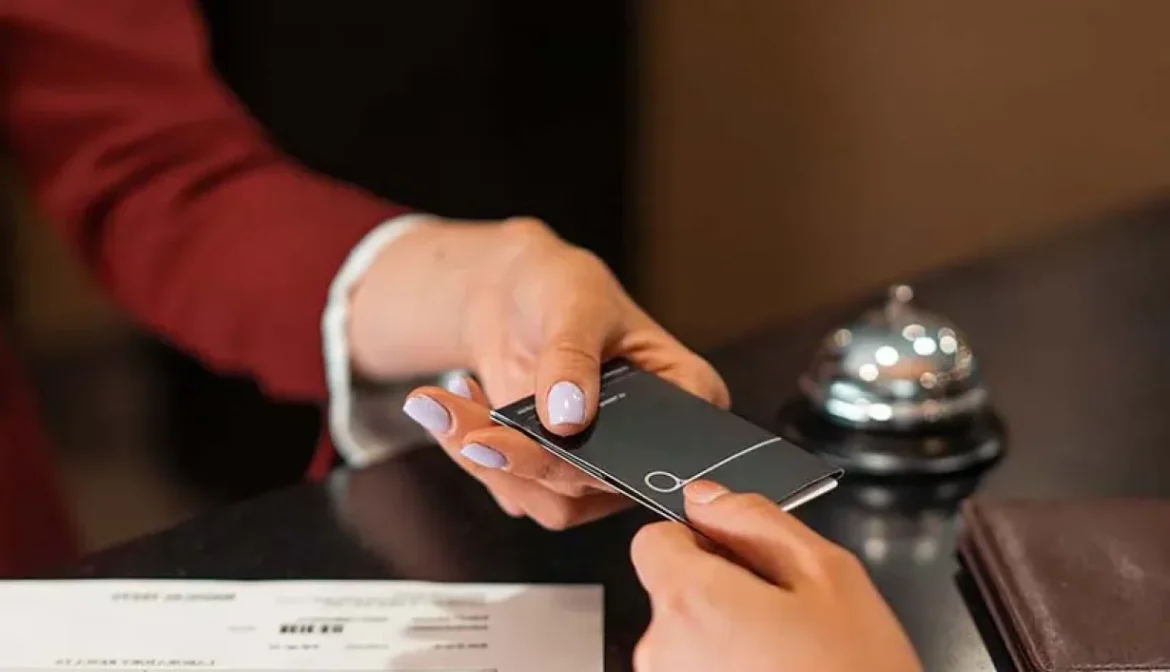
A hotel key card is the first thing a guest touches after check-in, and nothing frustrates them faster than a card that will not open the door. When key cards fail, the front desk fields complaints, staff scramble to reissue cards, and the guest experience suffers before the stay even begins. Most of these problems trace back to a single decision, which is the manufacturer behind the cards.
Choosing the right hotel key card manufacturer is about far more than price. The best suppliers deliver cards that are compatible with your locks, encoded accurately, and built to last through thousands of taps and swipes. The factors below will help you choose a partner whose cards work the first time, every time.
Why Hotel Key Cards Fail?
Most key card failures come down to a handful of avoidable issues. Knowing them helps you spot a supplier that can prevent them.
Common causes of cards that do not work include:
- Incompatibility with the hotel’s specific lock system or encoder.
- Incorrect or inconsistent encoding of the card data.
- Low-quality materials that scratch, bend, or demagnetize quickly.
- The wrong card technology, such as a low-coercivity stripe in a high-use property.
A capable manufacturer addresses each of these before a single card reaches your front desk.
6 Things to Look for in a Hotel Key Card Manufacturer
The right supplier combines technical compatibility with consistent quality and dependable support. Focus on these factors as you compare your options.
1. Compatibility With Your Lock System
Lock compatibility is the single most important factor, since a card that does not match your system simply will not open the door. A strong manufacturer supports the major lock brands, including ASSA ABLOY, VingCard, Saflok, Onity, Dormakaba, and Salto.
Before ordering, confirm the supplier can produce cards for your exact lock model and encoder. The best ones will ask for your lock brand or a sample card to verify compatibility upfront, rather than guessing.
2. The Right Card Technology and Chip
Cards only work when the technology matches your readers. Hotels generally use one of two formats, and a good manufacturer will guide you to the correct one:
- RFID cards, which tap to open, commonly use chips like MIFARE Classic or Ultralight at 13.56 MHz.
- Magnetic stripe cards, which swipe or insert, come in LoCo, MedCo, and HiCo strengths.
For busy properties, HiCo magnetic stripes and modern RFID chips offer the best reliability and the strongest resistance to everyday wear.
3. Accurate Encoding and Programming
Even a compatible card fails if it is encoded incorrectly. Accurate pre-encoding ensures each card carries the right data and unique identifiers your locks expect to read.
Ask whether the manufacturer programs cards to your system’s specifications and how they verify accuracy. Consistent, error-free encoding is what separates a reliable supplier from one that creates a steady stream of reissues at the front desk.
4. Card Quality and Durability
Guests handle key cards constantly, so durability is essential. High-quality cards share a few clear traits:
- Sturdy PVC or PET construction that resists bending and snapping.
- A protective overlay that guards against scratches and fading.
- Strong resistance to demagnetization in magnetic stripe cards.
Thin, poorly made cards peel and fail early, which drives up waste and replacement costs. Consistent quality across every batch matters just as much as a good first sample.
5. Test Cards Before You Commit
The smartest way to avoid a failed bulk order is to test first. A trustworthy manufacturer offers sample or test cards so you can confirm they work in your locks before committing to thousands of units.
This single step prevents the most expensive mistake in key card buying, which is ordering a large run that turns out to be incompatible. If a supplier resists providing test cards, treat it as a warning sign.
6. Printing, Lead Times, and Support
Beyond function, the finishing details round out a good partnership. Strong print quality keeps your branding sharp, while dependable lead times and supply consistency keep your front desk fully stocked.
Look for clear minimum order quantities, fast turnaround, and responsive support that helps from proof to delivery. Established manufacturers such as Plastilam produce cards for most major RFID lock platforms and print for upscale brands, pairing reliable compatibility with high-end presentation.
Magnetic Stripe vs. RFID Key Cards
Both technologies work well when made correctly, but they suit different needs. A quick comparison helps you decide:
- Magnetic stripe cards cost less up front and fit many older lock systems, but they wear faster and can demagnetize.
- RFID cards tap to open, last longer, resist wear, and offer stronger security, though they cost more per card.
Many properties are moving to RFID for its durability and guest convenience, while magnetic stripe remains a budget-friendly choice for compatible systems.
Questions to Ask Your Hotel Key Card Manufacturer
A few direct questions quickly reveal whether a supplier can deliver cards that work. Before you order, ask:
- Which lock brands and encoders are your cards compatible with?
- Can you confirm compatibility with my specific lock model?
- Do you offer sample or test cards before a bulk order?
- How do you encode cards, and how is accuracy verified?
- What materials, finishes, and print options are available?
- What are your minimum order quantities and typical lead times?
Clear, confident answers point to a manufacturer you can rely on, while vague responses are a reason to keep looking.
FAQs
How do I know which key cards my hotel needs?
Check your door lock brand and model, then confirm if it uses RFID or a magnetic stripe. Your lock documentation or a current card will tell you, and a good manufacturer can identify the right card from a sample.
What makes a hotel key card stop working?
Key cards usually fail due to incompatibility with the lock, incorrect encoding, demagnetization, or physical wear. Choosing a manufacturer that verifies compatibility, encodes accurately, and uses durable materials prevents most of these problems before cards reach guests.
Are RFID key cards better than magnetic stripes?
RFID cards are more durable, more secure, and easier to use, since guests simply tap to enter. Magnetic stripe cards cost less and suit older systems, but wear faster. The best choice depends on your locks and budget.
Should I order test cards before a bulk order?
Yes, always request test cards first. Sample cards let you confirm the cards work in your locks before committing to a large run. This simple step prevents costly mistakes and signals a reliable manufacturer.
Can hotel key cards be custom-printed?
Yes, most manufacturers offer full-color custom printing on both sides. You can add your logo, branding, room information, Wi-Fi details, or QR codes. Cards come in materials like PVC, and sometimes wood, cork, or recycled options.
Bottom Line
Choosing the right hotel key card manufacturer comes down to one question: Will the cards work every time a guest taps or swipes? The right supplier confirms compatibility with your locks, encodes cards accurately, uses durable materials, and proves it with test cards before a bulk order. Add strong printing, fair pricing, and responsive support, and you have a partner that protects both your operations and your guest experience.
Plastilam manufactures, encodes, and prints RFID and magnetic stripe key cards for most major lock platforms, with the print quality trusted by brands like Four Seasons and Armani. From your first proof to ongoing inventory management, the team handles every step with concierge-style service.
Request a sample from their team and put cards in your guests’ hands that work the first time, every time.