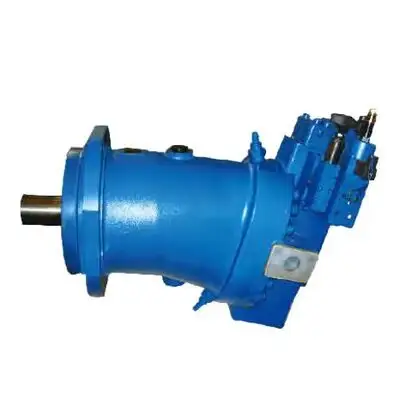
Selecting the right supplier for industrial pumping equipment can be more complicated than comparing product catalogs and prices. Piston pumps are used under a wide range of pressure, flow, temperature, and fluid conditions, so the manufacturer must be able to meet the specific needs of the application.
When evaluating a piston pump manufacturer, buyers may face challenges involving technical specifications, product quality, customization, documentation, delivery, and long-term support. Understanding these issues in advance can make the selection process more structured and effective.
Challenge 1: Matching the Pump to the Application
One of the most common problems is choosing a pump based on general specifications rather than actual operating conditions. A pump with a suitable pressure rating may still be inappropriate if its flow capacity, materials, or operating range do not match the system.
Before comparing manufacturers, define the required pressure, flow rate, fluid characteristics, temperature, duty cycle, and installation conditions. These details provide a reliable basis for evaluating different options.
Challenge 2: Comparing Technical Specifications
Manufacturers may present product information in different formats, making direct comparisons difficult. One supplier may emphasize maximum pressure, while another focuses on flow capacity or pump configuration.
Buyers should review complete technical data rather than relying on individual performance figures. Pressure and flow should be considered together, along with operating speed, dimensions, materials, and other relevant specifications.
Challenge 3: Assessing Manufacturing Quality
It can be difficult to determine product quality simply by looking at a finished pump or catalog description. Manufacturing processes, component tolerances, assembly procedures, and inspection practices can all affect reliability.
Ask potential suppliers about their quality-control procedures and how critical components are inspected. Information about machining, assembly, and final testing can provide greater insight into manufacturing consistency.
Challenge 4: Selecting Compatible Materials
The pumped fluid can create significant challenges for equipment selection. Corrosive chemicals, abrasive particles, high temperatures, and unusual viscosities may require specialized components.
Material selection should cover more than the main pump body. Pistons, cylinders, valves, seals, and other wetted components may all need to be compatible with the fluid.
Challenge 5: Handling Custom Requirements
Some industrial systems cannot use a standard pump configuration. They may require unusual dimensions, connections, materials, pressure ratings, or sealing arrangements.
Not every manufacturer has the engineering and production capabilities needed for extensive customization. Buyers should determine early whether the supplier can accommodate the required modifications and provide appropriate technical documentation.
Challenge 6: Understanding Testing Procedures
Another challenge is determining how thoroughly a manufacturer verifies pump performance before delivery. Testing procedures can vary between suppliers.
Ask which inspections and tests are performed on completed equipment. Depending on the application, relevant checks may include pressure testing, flow verification, leakage inspection, dimensional measurement, and mechanical performance testing.
Challenge 7: Evaluating Technical Support
Technical support can be especially important when the application involves high pressure, unusual fluids, or customized equipment. A manufacturer that only provides a product without adequate technical guidance may leave buyers responsible for resolving complex selection or installation issues.
Consider whether the supplier can assist with pump sizing, configuration, installation, troubleshooting, and maintenance. Responsive technical support can make equipment management easier throughout its service life.
Challenge 8: Checking Spare-Part Availability
Even reliable pumps require maintenance and replacement components. Difficulty obtaining compatible parts can increase downtime and make routine servicing more complicated.
Before selecting a supplier, ask about the availability of common wear components such as seals, valves, pistons, bearings, and other service parts. Also determine whether parts can be supplied consistently over the expected operating life of the pump.
Challenge 9: Comparing Total Costs
Purchase price is often one of the easiest factors to compare, but it does not tell the entire story. Energy consumption, maintenance, replacement parts, installation, and downtime can have a substantial effect on the total cost of ownership.
A supplier offering a lower initial price may not provide the most economical solution over the long term. Compare expected operating and maintenance costs alongside the initial equipment price.
Challenge 10: Verifying Delivery Expectations
Lead times can become a concern when equipment is customized or manufactured to specific requirements. Delays may affect installation schedules, production plans, or equipment replacement projects.
Ask manufacturers about expected production timelines and whether engineering approvals or design changes could affect delivery. Clear scheduling information helps buyers plan more effectively.
Challenge 11: Reviewing Documentation
Incomplete or unclear documentation can create problems during installation and maintenance. Buyers may need accurate drawings, specifications, operating instructions, maintenance information, and parts details.
Review the documentation provided by each manufacturer before making a final decision. Good technical information can make it easier for engineering and maintenance teams to manage the equipment correctly.
How to Reduce These Challenges
A structured supplier evaluation can help address many of these issues. Start by creating a detailed specification that every manufacturer receives.
Then compare suppliers using consistent criteria, including:
- Technical suitability
- Manufacturing quality
- Material compatibility
- Customization capabilities
- Testing procedures
- Documentation
- Spare-parts availability
- Technical support
- Delivery requirements
- Total cost of ownership
This approach reduces the risk of choosing a supplier based on incomplete information.
Questions to Ask Before Choosing a Manufacturer
Direct questions can reveal whether a supplier is prepared to meet the application’s requirements. Buyers should ask about manufacturing processes, testing, materials, customization, maintenance, and support.
It is also useful to request relevant technical documents before placing an order. Reviewing this information early can reveal potential compatibility or specification issues while there is still time to address them.
Conclusion
Choosing a piston pump manufacturer can involve several challenges, from understanding technical specifications to assessing quality, material compatibility, customization, testing, and long-term support. These factors can be difficult to evaluate when suppliers provide different types of information.
The selection process becomes easier when buyers define their application requirements first and use the same evaluation criteria for every potential supplier. Looking beyond purchase price and considering technical capability, service, maintenance, and total ownership costs can lead to a more informed and practical decision.