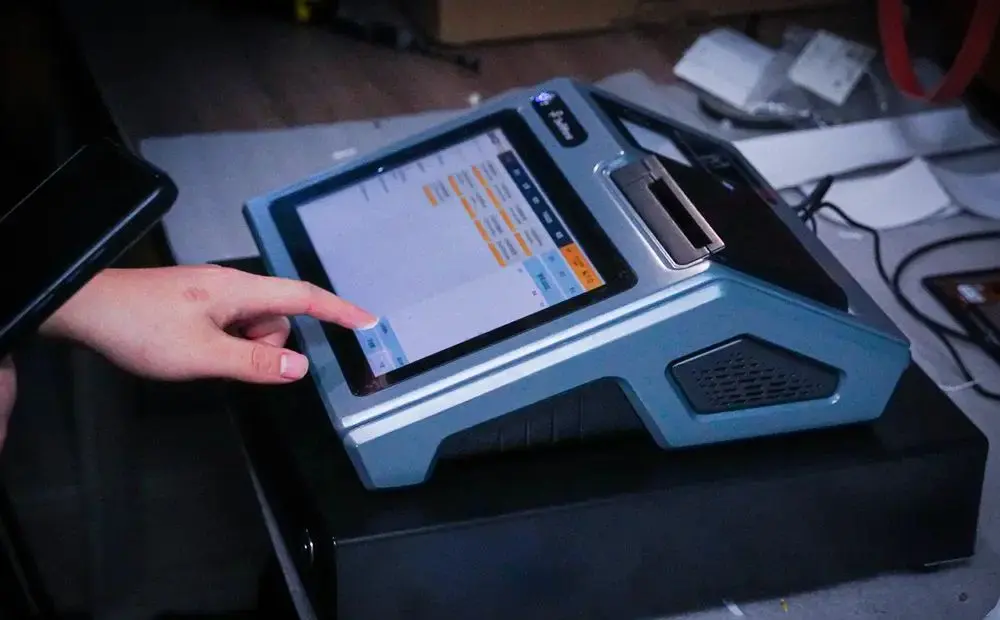
Choosing a POS system is not only about meeting today’s checkout requirements. Businesses often expect their equipment to remain useful for years, so long-term usability should be considered before investing in a new setup.
A ComPOSxb POS solution should be evaluated based on factors such as hardware durability, software compatibility, connectivity, maintenance, scalability, and ease of use. Looking at these areas can help businesses determine whether a POS environment is suitable for continued daily operations.
Start With Current Operational Requirements
The first step is understanding how the POS system will be used. Transaction volume, number of employees, payment methods, peripherals, and operating hours can all influence long-term suitability.
A system that comfortably handles current workloads is less likely to become a limitation as daily operations become more demanding. Businesses should evaluate actual usage patterns rather than relying solely on general product specifications.
Evaluate Hardware Durability
POS equipment is typically used more frequently than many other business devices. Touchscreens may be operated continuously, scanners may process large numbers of products, and receipt printers may run throughout the business day.
Consider the construction quality and expected operating conditions of each component. Hardware designed for commercial use should be appropriate for the environment in which it will be installed.
Check Software Compatibility
Hardware longevity also depends on software compatibility. POS applications may receive updates, introduce new features, or change their system requirements over time.
Before choosing equipment, verify that the hardware is compatible with the POS software currently in use and understand how future software updates are handled. Compatibility can help prevent premature hardware replacement.
Consider Connectivity Options
Modern POS systems often connect to several devices, including payment terminals, barcode scanners, printers, displays, and networks.
A long-term solution should provide the connectivity options required for the business. Consider existing peripherals as well as equipment that may be added later.
Look at Maintenance Requirements
Every piece of hardware may eventually require cleaning, troubleshooting, repair, or component replacement. Equipment that is straightforward to maintain can be easier and less costly to keep operational over time.
Businesses should find out how replacement components are sourced and whether technical assistance is available when problems occur. Maintenance requirements should be considered before installation rather than after a failure.
Assess Scalability
Business needs can change significantly over several years. A retailer may open additional locations, add checkout stations, increase its product range, or introduce new payment methods.
A scalable POS solution should allow businesses to expand where practical. The ability to add compatible peripherals or terminals can extend the usefulness of the initial investment.
Review Payment Capabilities
Payment technology continues to evolve. Customers may increasingly expect contactless cards, mobile wallets, or other digital payment options.
Businesses should check whether the POS setup can accommodate the payment methods relevant to their market. Flexible payment hardware can help reduce the likelihood of an early replacement when transaction preferences change.
Consider Employee Usability
Long-term usability is not purely a technical issue. Employees interact with POS equipment repeatedly throughout their shifts, so the system should be intuitive and comfortable to operate.
Responsive displays, accessible controls, and sensible peripheral placement can make everyday tasks easier. A system that requires extensive workarounds may become frustrating even if its underlying hardware remains functional.
Examine Warranty and Support
Warranty coverage can provide important protection when equipment develops a fault. However, businesses should look beyond the length of the warranty and understand what it actually covers.
Also consider available technical support, repair procedures, replacement options, and service arrangements. Effective support can extend the practical life of a POS system by helping businesses resolve problems instead of replacing equipment unnecessarily.
Review Energy and Operating Costs
A POS system’s long-term cost includes more than its initial purchase price. Businesses may also need to account for electricity consumption, maintenance, replacement components, software requirements, and potential downtime.
Evaluating these costs over the expected lifespan of the equipment can provide a more realistic picture of its overall value.
Plan for Hardware Replacement
Even durable POS equipment will eventually reach the end of its useful life. Businesses should understand which components are most likely to require replacement and how easily compatible equipment can be sourced.
Keeping accurate records of models, serial numbers, configurations, and deployment locations can make future upgrades easier to organize.
Test the System Before Deployment
Testing is one of the most practical ways to assess usability. Employees should perform realistic transactions using scanners, payment devices, printers, and other peripherals that will be part of the final setup.
This process can reveal connectivity problems, awkward workflows, performance limitations, or space constraints before the system becomes part of everyday operations.
Consider Future Business Needs
A long-term POS investment should reflect where the business is heading. Consider expected changes in transaction volume, store locations, payment methods, product categories, and staffing.
No system can predict every future requirement, but choosing hardware with appropriate flexibility can make future changes easier to manage.
Conclusion
Assessing the long-term usability of a ComPOSxb POS solution requires more than checking its basic features. Businesses should consider durability, software compatibility, connectivity, scalability, payment capabilities, maintenance, employee usability, support, and total operating costs.
Taking these factors into account can help businesses choose a POS environment that remains practical as their operations evolve. A well-planned system can support everyday transactions today while providing enough flexibility to adapt to future requirements.