Retail and hospitality businesses rely on efficient point-of-sale operations to manage transactions, serve customers, and keep everyday activities organized. While the specific requirements vary by industry, both environments benefit from reliable hardware and well-integrated checkout technology.
ComPOSxb represents a POS solution that can be considered for businesses looking to build or support modern checkout environments. Understanding the different requirements of retail and hospitality operations can help businesses determine how a POS setup should be configured.
POS Requirements in Retail
Retail businesses typically handle transactions involving products, prices, inventory, and customer purchases. Their POS environment often needs to connect several peripherals to make checkout efficient.
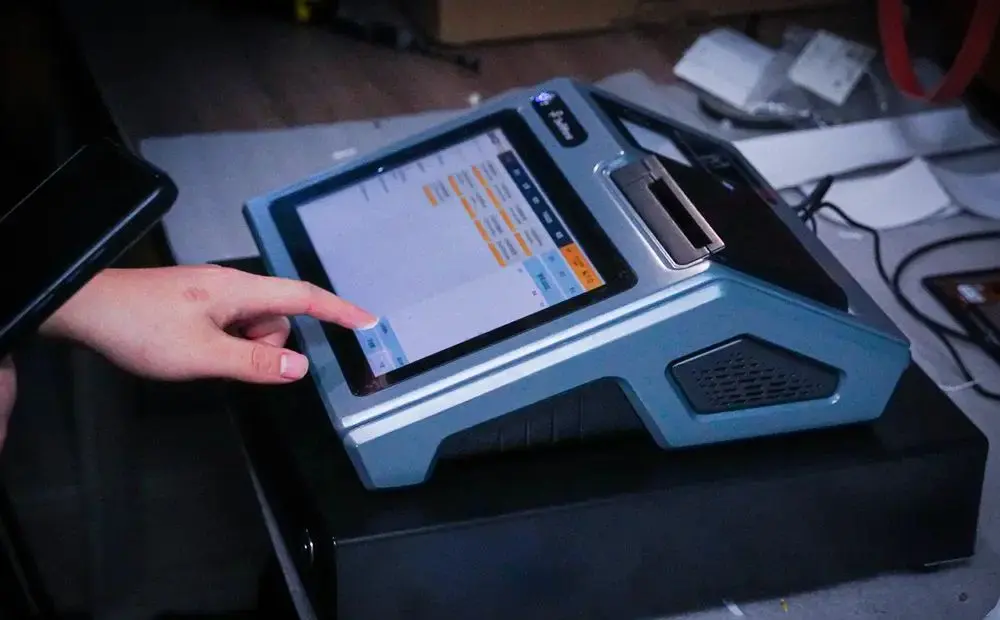
Common retail hardware can include touchscreen terminals, barcode scanners, receipt printers, cash drawers, and customer-facing displays. The appropriate combination depends on store size, transaction volume, and the type of products being sold.
Supporting Retail Checkout Efficiency
Fast and accurate checkout is important in retail environments, particularly during busy periods. Responsive terminals and reliable barcode scanners can help employees process purchases without unnecessary delays.
Hardware placement can also influence workflow. Terminals and peripherals should be positioned so employees can access them comfortably while maintaining a clear and organized checkout area.
Managing Hospitality Workflows
Hospitality businesses can have different POS requirements from traditional retail stores. Restaurants, cafés, hotels, and similar operations may need technology that supports fast service and communication between different parts of the business.
For example, a restaurant POS environment may involve customer-facing terminals, receipt printers, kitchen printers, cash drawers, and other connected devices. Hardware needs to suit the pace and conditions of the operation.
Handling High-Volume Transactions
Both retail and hospitality businesses can experience periods of significant customer traffic. During these times, POS equipment needs to remain responsive and reliable.
Businesses should evaluate expected transaction volumes when selecting hardware. Equipment designed for regular commercial use may be better suited to demanding environments than devices intended for occasional or light use.
Integrating POS Peripherals
A modern POS setup often depends on multiple devices working together. The terminal acts as the central point, while scanners, printers, displays, and other peripherals support different stages of the transaction.
Compatibility is essential when connecting these components. Businesses should verify that their selected hardware and software can communicate correctly before deploying a complete POS environment.
Considering Space and Hardware Placement
Retail counters and hospitality service areas can have limited space. Large or poorly positioned equipment may interfere with employee movement and customer interactions.
Compact terminals, suitable mounting options, and thoughtful peripheral placement can help businesses make better use of available workspace while maintaining an efficient workflow.
Prioritizing Reliability
POS equipment can be central to daily operations, so reliability should be a key consideration. Hardware failures can interrupt transactions, slow service, and create additional maintenance requirements.
Businesses should review construction quality, expected lifespan, warranty coverage, and technical support before selecting equipment for their operations.
Planning for Business Growth
POS requirements may change as a business expands. A retailer may add more checkout stations or locations, while a hospitality business may introduce additional service areas or increase transaction volumes.
A scalable POS setup can make these changes easier to manage. Businesses should consider whether additional terminals and peripherals can be integrated into the existing environment without requiring a complete replacement.
Evaluating Compatibility and Support
Before implementing a solution such as ComPOSxb, businesses should consider how the equipment will interact with their existing software, network, and peripherals.
Technical documentation, warranty policies, replacement options, and support availability are also worth reviewing. These factors can influence the long-term practicality of a POS investment.
Choosing a Suitable Configuration
There is no single POS configuration that works equally well for every retail or hospitality business. Requirements depend on the number of users, transaction volume, workspace, peripheral needs, and operational processes.
Retail businesses may prioritize scanning and product-related workflows, while hospitality operations may focus more on speed, service coordination, and equipment placement. Understanding these differences helps businesses create a setup suited to their specific environment.
Conclusion
ComPOSxb solutions can be considered within the broader range of technologies available for modern retail and hospitality POS environments. The most suitable configuration depends on the business’s workflow, hardware requirements, transaction volume, and plans for future growth.
By evaluating compatibility, reliability, scalability, peripheral integration, and workspace requirements, businesses can develop a POS environment that supports efficient daily operations without adding unnecessary complexity.