A thermal label printer works differently from an inkjet or laser printer. Instead of spraying liquid ink or applying toner powder to paper, it uses controlled heat to create text, barcodes, images, and other printed information.
A thermal label printer does not need traditional ink cartridges or toner. However, the supplies it uses depend on the printing method. Direct thermal models print directly onto heat-sensitive labels, while thermal transfer models use a ribbon to create the image.
How Does Thermal Printing Work?
Thermal printers use a printhead containing many small heating elements. The printer activates selected elements according to the information in the print job.
The heat then creates the desired image through one of two processes. The difference between these processes determines whether the printer needs a ribbon.
Do Direct Thermal Printers Need Ink?
No. Direct thermal printers do not use ink cartridges, toner, or ribbons.
Instead, they print onto labels with a special heat-sensitive coating. When the heated printhead contacts the media, the coating reacts and forms the printed image.
This makes direct thermal printing relatively simple because there is no separate ink supply to install or replace.
What Are Direct Thermal Labels Used For?
Direct thermal labels work well for applications where the printed information does not need to remain readable for many years.
Common examples include:
- Shipping labels
- Delivery labels
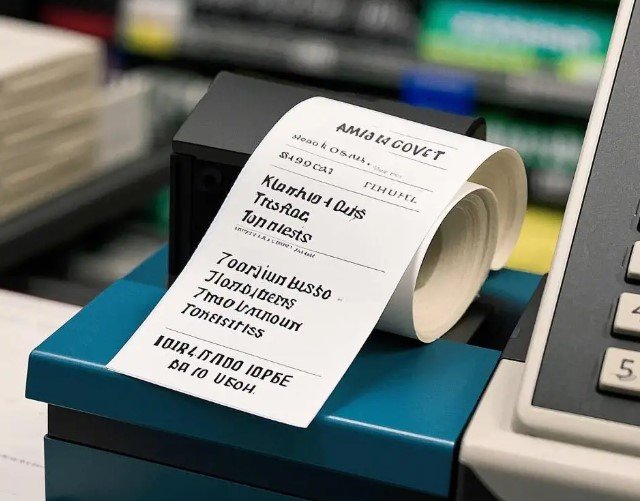
- Receipts
- Tickets
- Temporary inventory labels
- Retail price tags
The printed coating can react to heat, sunlight, friction, and other environmental factors, so direct thermal media may not suit long-term or harsh applications.
Does Thermal Transfer Printing Need Ink?
Thermal transfer printing does not use an ink cartridge or toner. Instead, it uses a ribbon that contains a coating of ink.
During printing, the thermal printhead heats specific areas of the ribbon. The heat causes the ink to transfer from the ribbon onto the label material.
The ribbon therefore serves a role similar to ink, although the mechanism differs from an inkjet cartridge.
Why Use a Ribbon?
A ribbon allows thermal transfer printers to print on a wider range of label materials. The resulting image can also offer better resistance to abrasion, moisture, chemicals, and other environmental conditions when suitable materials are selected.
This makes thermal transfer useful for product identification, asset tracking, manufacturing, and other applications where labels need to last longer.
Does a Thermal Printer Use Toner?
No. Thermal printers do not use toner cartridges.
Toner belongs to laser printing technology, where fine powder transfers onto a surface and heat helps bond it to the material.
Thermal printing uses heat in a different way. Direct thermal printing activates the label coating, while thermal transfer printing uses heat to move ink from a ribbon onto the label.
What Supplies Does a Thermal Printer Need?
The required supplies depend on the printing technology.
Direct Thermal
A direct thermal printer typically needs:
- Direct thermal labels or compatible media
- Power
- Suitable software or a connected device
No ribbon, ink cartridge, or toner cartridge is required.
Thermal Transfer
A thermal transfer printer typically needs:
- Compatible label material
- A suitable thermal transfer ribbon
- Power
- Suitable software or a connected device
The correct ribbon depends on the label material and the durability requirements of the application.
Does the Lack of Ink Make Thermal Printing Cheaper?
It can simplify the printing process, but the overall cost depends on the application.
Direct thermal printing eliminates ribbon costs, which may make it practical for high-volume short-term labeling. However, direct thermal labels often require specialized heat-sensitive media.
Thermal transfer printing adds ribbon costs but can produce more durable labels. Those labels may reduce the need for frequent replacement in applications where printed information needs to last.
The best way to compare costs is to consider the complete printing process rather than looking only at the price of consumables.
What Happens When the Labels Run Out?
The printer cannot continue producing labels once its required media runs out. A direct thermal model needs a new roll of compatible thermal labels.
A thermal transfer model needs both suitable labels and a ribbon. The ribbon must also have the correct dimensions and specifications for the printer.
Using compatible supplies helps maintain consistent print quality and reduces feeding or printing problems.
How Do You Know Which Printing Method You Need?
Start with the expected lifespan and environment of your labels.
Direct thermal may suit you when you need labels for:
- Shipping and delivery
- Short-term inventory identification
- Receipts and tickets
- Temporary applications
Thermal transfer may make more sense when labels need to withstand:
- Moisture
- Abrasion
- Chemicals
- Heat
- Long-term handling
- Outdoor exposure
The right choice depends on the combination of printer, label material, and environmental conditions.
Does Thermal Printing Produce Good Barcodes?
Yes. Thermal technology can produce sharp, machine-readable barcodes when you use suitable media, print resolution, and settings.
Barcode quality depends on more than the printing method. Size, contrast, label material, printhead condition, and the design of the barcode all affect scanning performance.
For critical barcode applications, test printed samples with the scanners you plan to use.
Final Thoughts
A thermal printer does not need ink cartridges or toner. Direct thermal models create images through heat-sensitive labels, while thermal transfer models use a ribbon to transfer ink onto the label.
The difference matters when choosing supplies and deciding which technology suits your application. Direct thermal printing offers a simple solution for many short-term labels, while thermal transfer can provide greater durability for demanding or long-term uses.